
Gas pipes often fail where bends create stress points. Rust chips off, exposing metal to quick decay. What should be a straightforward fix turns into a persistent headache.
CSST pipes bend smoothly to avoid breaks in tricky spaces. Black iron pipes provide solid toughness for safe indoor gas lines.
PE-AL-PE pipes handle heat well and reduce noise near hot appliances.
| Image | Name | Editor's Rating | Price |
|---|---|---|---|

|
SUPPLYGIANT 1/4 Inch Black Pipe, Quarter Inch Malleable Stee...
|
|
|
|
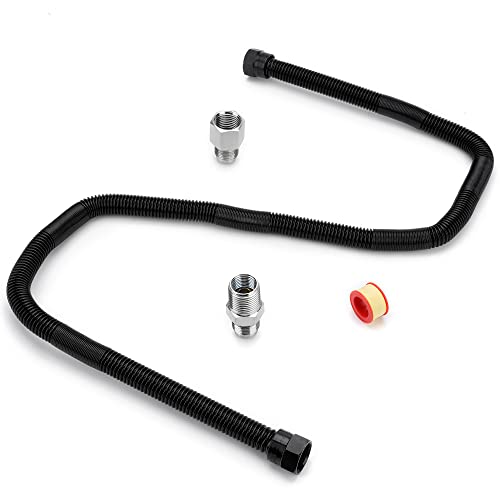
Stanbroil 1/2" OD x 3/8" ID 36" Non-Whistle Flexible Gas Lin...
|
|
|

|
1" Inch x 48" Inch Pipe Nipple Stainless Steel 304 Threaded ...
|
|
|
|
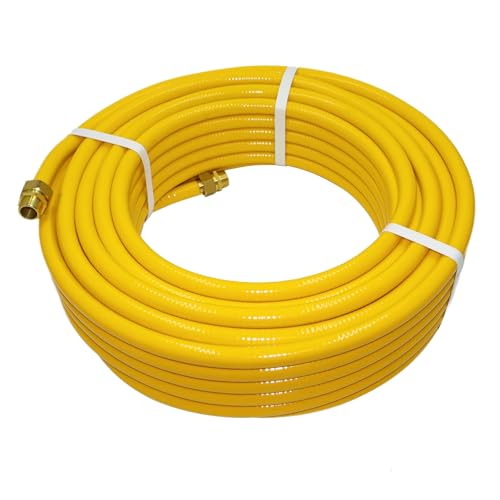
1/2" CSST Gas Line 100ft Flexible Gas Line,Corrugated Stainl...
|
|
Exploring the Best Pipe for Gas Line Connections and Flexibility
Understanding the benefits of different pipe materials can enhance safety and efficiency in gas line setups. Flexible and durable options tackle common installation challenges with ease.
1. SUPPLYGIANT Durable 1/4″ Black Steel Pipes for Low Pressure Indoor Plumbing, Pack of 5
- Pipe Type: black pipe 1/4" x 4 feet male (NPT) National Pipe Thread taper Made of superior rough...
- Pipe Specs: black Coated schedule 40, 150 PSI
- Pipe Function: used for indoor in low Pressure plumbing Applications such as Water, oil, natural...
Handling low-pressure indoor piping demands materials that can endure without compromise. SUPPLYGIANT’s black steel pipes deliver sturdy performance with their 1/4 inch diameter and four-foot length, ideal for threading into tight or vintage-inspired setups.
The black painted alloy steel surface offers more than aesthetic appeal—it provides a protective layer against wear common in water, oil, natural gas, LP, steam, and air systems. This versatility makes the pipes suitable for both commercial and residential projects.
Manufactured under ASTM and ANSI standards, these pipes reflect advanced technology in their construction, ensuring not only strength but also reliable performance up to 150 PSI.
With male NPT threading, the pipes establish secure connections essential for safe and efficient fluid flow. These fittings are particularly useful when professional-grade steel is needed yet flexibility is desired in system design.
Count on SUPPLYGIANT to provide materials that fill the often overlooked gap between DIY functionality and industrial-grade endurance, supporting your system’s integrity.
Best for: Homeowners and professionals tackling indoor low-pressure systems requiring solid steel pipes with precise threading and durability.
Pros:
- Strong black alloy steel resists wear in diverse low-pressure applications
- Standard 1/4″ NPT threading facilitates secure and tight fittings
- Suitable for water, oil, natural gas, LP, steam, and air systems
- Coated finish adds an extra layer of protection and complements vintage designs
- Meets ASTM and ANSI standards ensuring quality and safety
Cons:
- The 48-inch length may require cuts or joins for some custom setups
2. Stanbroil Flexible Stainless Steel Gas Line Connector Kit for Fireplaces & Fire Pits
- Easy to installation and use, highly durable, Corrugated flexible flex gas line with feature of high...
- 1/2" OD x 3/8" ID 36 inch gas line stainless steel pipe in black coating with fittings
- 1/2" Male Flare x 1/2" Male NPT fitting end, we've included a 1/2" Male Flare x 1/2" Female NPT...
Connecting your fire pit or fireplace to a reliable gas source demands a line that balances flexibility with robust durability. Stanbroil’s connector kit features a corrugated stainless steel pipe that resists high temperatures, ensuring lasting performance even under intense heat. The black coating adds an extra layer of protection against environmental wear.
Designed with a unique staggered pitch every two inches, this line eliminates annoying whistling sounds that often disrupt outdoor gatherings. With a 1/2 inch outside diameter and 3/8 inch inside diameter, it fits snugly in tight spaces without sacrificing flow capacity.
The kit includes versatile fittings: 1/2″ male flare to 1/2″ male NPT, plus an added 1/2″ male flare to female NPT adapter for flexible installation options. CSA certification guarantees compliance with safety standards, supporting use with natural or liquid propane gas for burners over 100K BTU.
Stanbroil’s attention to detail assures you easy-to-install, leak-resistant connections that withstand daily wear. Its lightweight design at just one pound makes handling and fitting straightforward during setup or maintenance.
Best for: Homeowners and outdoor enthusiasts requiring a flexible, quiet gas line connection for high-output fire pits or fireplaces.
Pros:
- Corrugated stainless steel resists heat and corrosion
- Unique staggered pitch to reduce whistling noise
- CSA certified for high BTU gas appliances
- Includes multiple fitting adapters for installation flexibility
- Lightweight and easy to handle
Cons:
- Length may be limiting for some lengthy installations
3. Guardian 1″ Stainless Steel 304 Threaded Pipe Nipple, 48″ Length, Schedule 40
- 304 Stainless Steel Schedule 40 Pipe Nipple NPT Male Threaded On Both Ends
- Maximum Temp 450 Degrees F | Minimum Operating Temperature: Negative 60 Degrees F
- Standards: ASME B1.20.1, ASTM A312, ASTM A873
Handling connections for air, propane, or natural gas calls for a component that can endure fluctuating and sometimes extreme conditions. With a robust construction from 304 stainless steel, this pipe nipple tackles temperatures from negative 60 to 450 degrees Fahrenheit without losing integrity.
Built to ASME B1.20.1 and ASTM standards, the Guardian piece ensures a leak-proof seal thanks to its precisely tapered NPT threading on both ends. You’ll find the 1″ diameter and seamless wall create strong, reliable joints resistant to corrosion and the stresses of routine expansion and contraction.
Ideal for applications involving steam, air, or even potable water, this piece offers versatility beyond typical fittings. Its 48-inch length lets you cover larger spans without needing multiple joints, reducing potential weak points in your setup.
Guardian has crafted a sturdy fit with Schedule 40 specifications, offering the right balance between wall thickness and weight for durable performance.
Engineers and professionals will appreciate the combination of high strength and ease of installation.
Best for: Contractors and homeowners requiring a sturdy, corrosion-resistant pipe nipple for gas or fluid transfers under varied temperature conditions.
Pros:
- Constructed from durable 304 stainless steel for high corrosion resistance
- Tapered National Pipe Thread ensures tight, leak-resistant connections
- Wide operating temperature range from -60°F to 450°F
- Seamless wall design enhances strength and reliability
- Suitable for air, natural gas, propane, steam, and potable water systems
Cons:
- Length of 48 inches may require cutting for certain installations
- Steel construction adds weight that might be less ideal for some lightweight assembly needs
4. SFHXL 100ft Flexible 1/2 Inch Stainless Steel Corrugated Tubing with Male Fittings for Natural Gas and Propane
- 【Product Specification】 100FT 1/2 inch gas pipe: inner diameter 0.48 inches x outer diameter...
- 【 Application Scenarios 】 Gas pipelines are used to connect any indoor liquid propane or outdoor...
- 【 Flexibility and Safety 】 - Stainless steel corrugated pipes have flexibility and can be cut...
Connecting gas appliances with a flexible yet robust pipeline means navigating both safety and usability challenges. This 100ft stainless steel tubing by SFHXL offers corrosion-resistant durability paired with enough bend and stretch to fit tight or awkward installations.
Crafted from high-grade 304 stainless steel, the tubing withstands environmental damage while the thick polyethylene jacket resists UV exposure. Its corrugated design ensures ease in custom cutting and routing, allowing precise sizing on site without compromising integrity.
Rated for high flow rates—up to 100,000 BTU per hour—this line can support powerful stoves, heaters, grills, and generators. The enhanced airflow capability solves a common problem where rigid pipes fail to deliver sufficient gas volume to larger devices.
Installation flexibility extends beyond simple indoor connections; the tubing can be embedded inside walls or installed underground when placed within protective conduits, safeguarding the gas line against accidental damage. Strong resistance to corrosion, convenient flexibility for customization, and exact flow specifications make this SFHXL product a smart solution whenever reliable gas transport is essential.
Best for: Homeowners and professionals wanting seamless connections for propane and natural gas systems in various indoor and outdoor settings.
Pros:
- Flexible corrugated tubing for easy routing and cutting to length
- Durable 304 stainless steel resists rust and chemical damage
- UV resistant protective jacket enhances lifespan in sun-exposed installations
- Supports high gas flow suitable for large appliances
- Compatible with common gas fittings for smooth integration
Cons:
- May require additional conduit for underground installations to meet safety guidelines
- Thickness and material may be less suited for extremely tight bends compared to smaller diameter lines
5. AMI PARTS 72-Inch Flexible Stainless Steel Gas Hose Connector Kit with Multiple Fittings
Corroded, rigid piping can make connecting your gas appliances a frustrating task. The AMI PARTS flexible gas hose addresses this by offering a highly adaptable, corrugated stainless steel design that effortlessly bends around tight corners without kinking.
Carefully engineered for durability, this yellow-coated line stands out visually to reduce the risk of overlooked wear. It’s built to endure a wide range of temperatures, maintaining secure gas tightness and resistance against rust and corrosion over time.
Installation is straightforward with the complete set of threaded adapters included, ensuring compatibility with stoves, dryers, water heaters, and more. Pay attention to installation tips, especially avoiding wrapping raw tape on the yellow bellows segment to maintain a proper seal.
Designed for both professionals and homeowners, the kit comes with sturdy straps and multiple fittings to suit varied configurations. AMI PARTS ensures that this flexible piping supports safe, reliable connections, minimizing leaks and simplifying maintenance.
With 72 inches of length and a 1/2 inch inside diameter, it strikes a balance between reach and flow capacity. The bright yellow color isn’t just aesthetic—it helps quick identification during inspections or upgrades.
Best for: Those who require a flexible, durable solution for connecting household gas appliances where space constraints and dependable performance are crucial.
Pros:
- Flexible stainless steel hose easily navigates tight spaces and corners
- Bright yellow coating provides clear visual identification
- Resistant to temperature extremes, rust, and corrosion
- Comes with multiple threaded adapters for versatile appliance hookups
- Simple installation requiring basic tools and Teflon tape on specific joints
Cons:
- May need precise adapter size checks to ensure perfect fit for some appliances
Key Specs Compared: Top Best Pipe For Gas Line
| Product Name | Material | Dimensions (Length x Diameter) | Wall Thickness | Connector Type |
|---|---|---|---|---|
| AMI PARTS Flexible Stainless Steel | Stainless Steel | 72″ x 0.63″ OD, 0.5″ ID | 0.125 in | 1/2″ MIP & 1/2″ FIP & 3/4″ MIP fittings |
| SUPPLYGIANT Black Steel Pipe | Alloy Steel | 48″ x 0.25″ | Schedule 40, 150 PSI | Malleable Steel NPT |
| Stanbroil Flexible Flex Gas Line | Stainless Steel (Black Coated) | 36″ x 0.5″ OD, 0.38″ ID | Not specified | 1/2″ Male Flare & 1/2″ Male NPT |
| Guardian Stainless Steel Pipe Nipple | Stainless Steel 304 | 48″ x 1.32″ OD, 1.04″ ID | 0.14 in | Threaded Male NPT Both Ends |
| SFHXL CSST Flexible Gas Line | Stainless Steel 304 | 1200″ (100 ft) x 0.63″ OD, 0.48″ ID | 0.075 in | 2 Male Adapter Fittings |
How to Pick the Best Pipe for Gas Line Installations?

Choosing the right pipe for a gas line isn’t just about fitting sizes or price tags. There are several critical factors that shape safety, performance, and longevity, and missing any one of them can lead to costly, hazardous issues down the road.
Material Composition and Corrosion Resistance
Material composition directly relates to how well a gas line holds up against environmental challenges. Gas pipes endure constant pressure fluctuations, temperature swings, and exposure to moisture or corrosive elements, making the right metal or alloy choice crucial to prevent degradation.
Stainless steel variants, like 304 stainless steel in products such as the AMI PARTS and Guardian pipes, bring high corrosion resistance through chromium content that forms a protective oxide layer. Meanwhile, black steel pipes rely on painted or alloyed surfaces for extra protection but may require additional maintenance in damp environments.
Neglecting material suitability can lead to rust formation, weakening pipe walls, and eventual gas leaks, putting property and lives at risk. Choosing a corrosion-resistant pipe extends service life and stabilizes gas flow integrity.
Flexibility and Installation Ease
Flexibility is crucial for installing gas lines in tight or unconventional spaces. Rigid pipes need exact measurements, numerous elbows, and fittings, which can complicate the process and increase leak chances.
Corrugated stainless steel tubing (CSST), such as the AMI PARTS 72-inch and SFHXL 100ft models, provides strong bendability without kinking. These flexible pipes simplify routing around obstacles and reduce the number of fittings required. Their durable walls, often up to 0.125 inch thick, ensure the gas line remains airtight even when bent.
Ignoring flexibility can cause stress at bends and joints, leading to cracks or leaks. This not only threatens safety but also raises installation and repair costs through added labor and materials.
Wall Thickness and Pressure Rating
Wall thickness determines a pipe’s strength and ability to handle internal gas pressure over time. Pipes with thicker walls offer more durability but tend to be less flexible, which can impact installation ease. This factor is crucial because gas lines must safely contain pressure without deforming or breaking.
Take the Guardian pipe nipple as an example: it has a 0.14-inch wall thickness and a Schedule 40 rating, meaning it safely supports pressures up to 150 PSI. On the other hand, pipes like SFHXL tubing have thinner walls, around 0.075 inch, providing a good balance between pressure tolerance and flexibility mostly used in residential systems.
Using pipes without the correct wall thickness and pressure rating risks dangerous failures like bursts or leaks. Such mistakes can cause explosions, costly repairs, and extended downtime, so it’s vital to match pipe specs to your system’s demands.
Connector Types and Compatibility
Connector types are crucial for ensuring gas pipes fit correctly with appliances, regulators, and other pipe sections. Using the right connectors prevents leaks and simplifies future repairs. A mismatch can create weak points that risk safety and efficiency.
Diverse fittings exist. For example, AMI PARTS tubing offers 1/2″ MIP, 1/2″ FIP, and 3/4″ MIP options, providing flexible installations. Stanbroil’s black-coated flexible lines feature 1/2″ Male Flare and 1/2″ Male NPT connectors, tailored for fireside devices. Stainless steel nipples from Guardian use tapered NPT threading, which forms a tight seal by wedging threads together, eliminating the need for extra gaskets.
Failing to match connectors leads to leaks or extra costs for adapters. Correct compatibility ensures safe, speedy installations and reliable operation, keeping gas systems secure and maintenance hassle-free.
Temperature Range and Heat Resistance
Temperature resistance is crucial when selecting pipes for gas lines, especially around heat sources or outdoor areas. The material must hold up well in both very cold and very hot conditions to avoid damage.
For example, stainless steel gas pipes, like those from Guardian, can handle temperatures from minus 60 up to 450 degrees Fahrenheit. This wide range makes them perfect for places near appliances or outside where temps vary a lot. Meanwhile, black steel pipes tolerate heat fairly well but may wear out quicker if exposed to constant high heat cycles.
Choosing pipes that can’t endure the necessary temperature range can lead to serious issues like warping, cracks, and seal failure. These problems often cause leaks and unsafe gas flow, which is dangerous especially near fireplaces or outdoor setups.
Length and Size Matching
Correct pipe length and diameter are essential for ensuring smooth gas flow and safe operation. Pipes that don’t match your appliance’s requirements can limit flow or cause pressure issues. Getting the sizing right prevents leaks and fits seamlessly with your equipment.
For example, the SFHXL’s 100-foot flexible tubing with a 0.5 inch inner diameter is ideal for longer runs, reducing the need for multiple connections. Alternatively, shorter options like the 36-inch Stanbroil line or 48-inch Guardian nipples are designed for precise installations where tight fitting and consistent diameter matter to maintain steady pressure and flow.
Selecting the wrong length or diameter leads to inefficient gas delivery. This can cause your appliances to run poorly, waste fuel, and increase wear and tear due to turbulent flow. Proper measurements protect both safety and performance over time.
Protective Coatings and Visual Safety Markings
Protective coatings play a crucial role in extending the life of gas pipes by acting as strong barriers against physical damage and environmental wear. These coatings also serve as visual cues, making it easy to spot areas where the pipe might be thinning or compromised. This feature turns routine inspections into quick safety checks.
Many gas lines use specialized coatings like the yellow finish on AMI PARTS flexible hoses, which highlights wear areas immediately. Others, such as Stanbroil’s black coating, provide a tough environmental shield that resists moisture and chemicals. Polyethylene jackets, common on brands like SFHXL, block harmful UV light, preventing material breakdown and maintaining structural integrity.
Ignoring coatings can cause hidden damage to the pipe, leading to dangerous leaks or failures. Without visible wear indicators, corrosion spots remain unnoticed, increasing repair costs and safety risks. Proper coatings and markings ensure reliable, long-lasting gas line performance.
Frequently Asked Questions
What is the safest pipe material for residential gas lines?
Stainless steel pipes rank high for safety in residential gas lines because of their resistance to corrosion and ability to handle fluctuating temperatures. Materials like the 304 stainless steel used in products such as Guardian or SFHXL offer robust durability and leak resistance.
For example, flexible stainless steel tubing often resists environmental wear better than rigid black steel, reducing rupture risks. This flexibility is also vital for tight installations.
A smart move is always verifying local code compliance and using certified components like those with NPT threading for a secure seal.
Why choose flexible gas lines over rigid piping?
Flexibility allows easier installation around corners and in confined spaces without requiring extra fittings. Products like the AMI PARTS 72-inch flexible stainless steel hose offer these benefits while maintaining integrity under pressure.
Flexible stainless steel corrugated tubes feature coatings that reduce wear and magnetic interference, making them less prone to kinking and long-term damage.
Keep in mind that flexible lines should always come with visual wear indicators like color coatings to spot aging or damage early.
Can black steel pipes be used safely for gas lines?
Black steel pipes are widely trusted for low-pressure gas lines because of their durability and cost-effectiveness. For example, 1/4″ black steel pipes like those from SUPPLYGIANT work well indoors under pressures up to 150 PSI. This makes them a preferred option for many home installations.
Despite their strength, black steel pipes require proper coatings or treatment to prevent rust and corrosion, especially in moist environments. Without such protection, the integrity of the gas line could be compromised over time.
As a critical safety measure, ensure regular inspections and apply rust-resistant coatings on threaded joints to maintain leak-free connections.
What factors affect the choice of pipe diameter for gas lines?
Pipe diameter directly influences the gas flow rate and pressure loss within a system. Larger diameters, such as the 1-inch Guardian pipe, accommodate higher volume flow with less pressure drop, making them ideal for setups requiring more fuel supply.
Conversely, smaller diameters like 1/4 inch black steel are suitable for low-demand appliances but can cause pressure issues when oversized equipment is connected. This highlights the importance of matching pipe size to demand.
Always consult manufacturer specifications and local codes that define minimum diameter and PSI requirements to ensure safe and efficient operation of your gas line.
Are coated gas pipes necessary for outdoor installations?
Coatings on gas pipes greatly extend service life outdoors by resisting UV exposure and corrosion. The SFHXL corrugated tubing’s polyethylene jacket and the black coating on Stanbroil pipes help shield metals from weather damage.
Outdoor setups face varying temperatures and moisture, so absence of adequate protection leads to premature wear and safety hazards.
Always choose piping options featuring UV-resistant jackets and schedule routine checks to maintain coating integrity over time.
Finding the Best Gas Line Pipe for Your Needs
Choosing the right pipe material is crucial for enhancing both safety and efficiency in gas line installations. The proper selection provides superior corrosion resistance and the necessary strength to withstand pressure, minimizing leakage and maintenance issues. This results in a significantly more reliable and long-lasting gas delivery system.
Homeowners tackling smaller projects often benefit from flexible stainless steel pipes coated in yellow, which combine ease of installation with durability. In contrast, professional contractors working on industrial setups require threaded steel piping designed for high-pressure, high-temperature environments. Aligning pipe specifications with your specific needs ensures optimal performance.
Carefully assess your installation site and use correct fittings to prevent potential leaks or damage. Be cautious not to overtighten or overly bend pipes, especially stainless steel varieties, and always verify pipe thickness matches system demands for the safest outcome.
Last update on 2026-10-22 / Affiliate links / Images from Amazon Product Advertising API