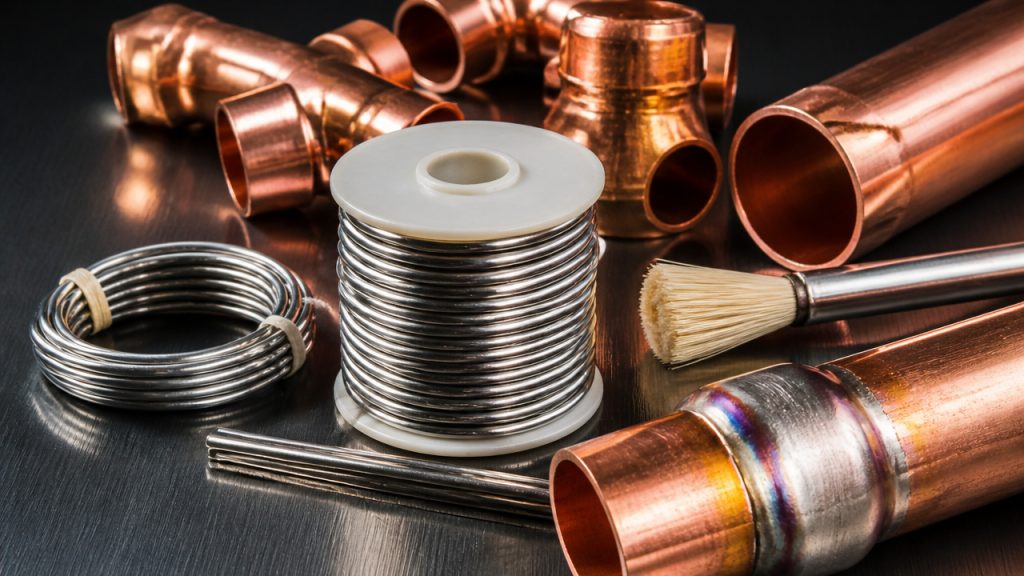
Fumbling with solder that balls up or fails to fill gaps ruins a copper tubing job fast. Joints leak, corrosion kicks in, and your whole plumbing fix starts going sideways. The wrong melting point or composition can spell disaster, turning a simple repair into a headache.
The Stay-Brite STAR2000 silver solder flows fine and melts clean for tight, precision copper joints. The Oatey Premium Plumbing kit mixes copper, bismuth, tin, and silver to balance melting temp with strong, safe potable water compatibility.
ZHUOBAO Essmetuin offers lead-free purity with a controlled 217°C melting point, ideal if you want flux control and clean flow without overheating. Each serves different soldering priorities in copper tubing.
| Image | Name | Editor's Rating | Price |
|---|---|---|---|

|
STA-BRITE SBSK Silver Solder 3/64 1/2 oz STAR2000 by Stay-Br...
|
|
|

|
Oatay Plumbing Solder Kit, 1/4 lb solder and 1.7 oz flux | S...
|
|
|

|
Essmetuin Lead Free Solder Wire(Sn99.3Cu0.7) For Plumbing So...
|
|
|
|
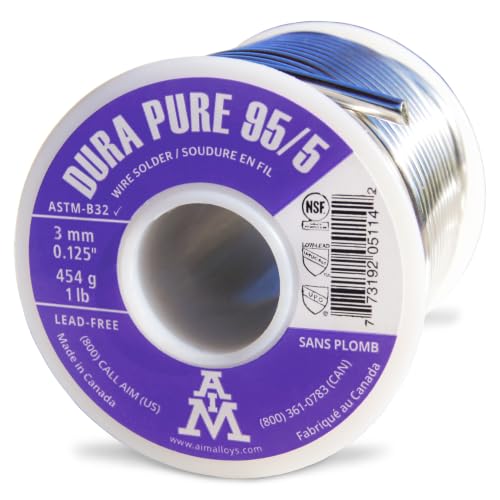
AIM Dura-Pure 95/5 Lead-Free 0.125inch Solid Solder Wire for...
|
|
|

|
Oatey 29024 Safe Flo 0.117-Inch ga. Bulk, Silver, 1/2 lb. | ...
|
|
Essential Solder Options for Copper Tubing Connections
Ensuring durable and reliable connections on copper tubing depends on the solder’s composition and melting point. Explore these premium solders designed for precision and lasting performance in plumbing applications.
1. Stay-Brite STAR2000 Silver Solder 3/64 0.5 oz for Precision Copper Tube Joining
- Brand new item. Sealed in original package.
When reliable and durable metal joints matter most, choosing the right filler material becomes critical. The Stay-Brite STAR2000 is crafted for precise work on copper tubing, filling gaps with strong silver-based alloy that melts efficiently at controlled temperatures.
Its fine 3/64 inch diameter wire ensures easy feeding and smooth flow, making it ideal for detailed plumbing and HVAC repairs. The silver composition improves joint strength and corrosion resistance beyond traditional lead-free solders.
Designed to perform in tight, intricate assemblies, this 0.5-ounce spool supports manual operation with excellent control over heat application. The product’s compact dimensions lend convenience to carry on-the-go or store in a toolbox. Stay-Brite’s attention to consistency aids in creating leak-proof connections that stand up to long-term use.
Though the solder requires proper flame technique for best results, its formulation reduces the risk of overheating the copper pipes, preserving their integrity. Its versatility makes it a reliable choice for professionals aiming for lasting joins without complex setups.
Best for: Professionals and skilled DIYers seeking a robust, silver-based alloy optimized for copper tubing junctions in plumbing and HVAC tasks.
Pros:
- High silver content offers enhanced strength and durability
- Fine gauge wire allows precise application in challenging spots
- Compact and lightweight for easy portability
- Suitable for manual soldering techniques
- Improves corrosion resistance over standard solders
Cons:
- Smaller quantity might necessitate multiple purchases for larger projects
2. Oatey Premium Plumbing Solder and Flux Kit, 1/4 lb for Copper Pipes
- Copper, bismuth, tin and silver alloy.
- 1/4 lb solder and 1.7 oz flux
- Meets ASTM Standard B-32 and the requirements of the Safe Drinking Water Act.
Joining copper pipes demands a precise balance between melting point and material compatibility. This Oatey kit brings together a carefully crafted alloy of copper, bismuth, tin, and silver, ensuring clean, reliable joints that withstand potable water standards. It’s designed to smoothly flow into fittings without excessive heat, maintaining the strength and longevity of your plumbing system.
The included flux isn’t just a tackifier—it’s formulated to meet critical safety and cleanliness requirements, preventing oxidation and improving the solder’s flow. These components align with ASTM Standard B-32 and comply with the Safe Drinking Water Act, making it a thoughtful choice for maintaining water purity.
Handling tight spaces or intricate plumbing layouts becomes simpler since this 1/4 lb solder offers a manageable amount that suits both repairs and installation tasks. Oatey’s reputation in plumbing solutions is backed by a formula that avoids the pitfalls commonly found in cheaper alternatives, such as poor grip or residue.
Whether you’re investing in new copper tubing or servicing existing lines, the kit caters specifically to potable water environments, assuring you of a durable, leak-resistant bond. The solder and flux are finely matched so your work stays efficient and trouble-free.
Best for: Homeowners and plumbers tackling copper pipe connections where safety, water purity, and long-term durability are essential.
Pros:
- Meets stringent ASTM and Safe Drinking Water Act standards
- Includes both solder and flux sized for efficient use
- Formulated with silver to enhance bond strength
- Reduces risk of oxidation with effective flux
- Trusted brand with consistent composition
Cons:
- The 1/4 lb quantity might be more than needed for very small projects
3. ZHUOBAO Essmetuin Lead-Free Solder Wire for Plumbing and Crafting, 3.2oz, 2.0mm
- Wire Content: Alloy Tin 99.3% Copper0.7%
- Product Parameters: Net Weight 3.2oz
- Melting Point: 217 ℃ (422.6F), Do Not Contain Flux, Need To Use With Flux
Achieving reliable, leak-proof joints in copper piping requires precision and the right materials. Essmetuin’s solder wire offers a lead-free alloy of 99.3% tin and 0.7% copper, designed to melt at a controlled temperature of 217℃. This specific melting point ensures efficient flow into pipe joints without overheating, enhancing durability and long-term performance.
Since the wire does not contain flux, you maintain full control over the soldering process by pairing it with your preferred flux type for optimal adhesion. This flexibility is particularly valuable when you want to guarantee clean, strong connections in both plumbing and delicate crafts such as stained glass and jewelry making.
Measuring 2.0mm in diameter, the wire balances ease of handling with the ability to deliver smooth, consistent melts, even for intricate projects. Manufactured by ZHUOBAO, it meets recognized standards for plumbing that come into contact with drinking water, ensuring safety without sacrificing work quality.
Its 3.2-ounce weight provides enough material for multiple repairs or craft projects, making it a practical choice whether you’re tackling household plumbing or creative applications. The solid composition makes it straightforward to use with standard soldering tools, promising clean finishes and secure bonds.
Best for: Homeowners or professionals needing a versatile, high-purity solder that supports safe plumbing repairs and artistic copper work.
Pros:
- Lead-free alloy meets safety requirements for potable water systems
- Precise melting temperature promotes controlled melting and reduced joint defects
- No flux included, offering flux choice flexibility
- Suitable for both plumbing and craft applications
- Compact 3.2 oz size for manageable use and storage
Cons:
- Limited to copper-containing alloys; may not suit other metals
4. AIM Dura-Pure Lead-Free 95/5 Tin-Antimony Solid Solder Wire for Durable Plumbing Joints
- Lead-free alloy comprised of 95% tin and 5% antimony
- Ideal for soldering brass and copper plumbing joints
- The solder alloy has a melting range of 232°C-240°C (450°F-464°F)
Perfecting copper and brass plumbing connections requires more than just heat—it demands a solder that flows evenly and bonds securely without compromising safety. AIM Dura-Pure’s lead-free alloy combines 95% tin and 5% antimony, offering an optimal balance for plumbers aiming for reliability.
Boasting a melting range between 232°C and 240°C, this solder melts precisely to create clean, strong joints that resist leaks. Its tensile strength of 10,080 PSI ensures long-lasting durability, meaning connections hold firm under normal pressure and thermal cycling.
Certified under ASTM B32 and meeting NSF and UPC standards, this solder suits potable water applications, easing concerns about contaminant leaching. AIM’s attention to compliance doesn’t sacrifice performance, delivering a product tailored for professional plumbing standards.
At a manageable 0.125-inch diameter, the solder wire grants fine control over application, minimizing waste and mess on tight joints. This blend of precision and robustness positions AIM Dura-Pure as a smart choice for those focused on lasting, health-conscious pipework repairs.
Best for: Professionals and skilled tradespeople seeking a reliable, clean-flowing solder that meets strict safety standards for copper and brass plumbing connections.
Pros:
- Lead-free alloy promotes safer, potable water systems
- High tensile strength ensures durable, leak-resistant joints
- Certified compliance with ASTM B32, NSF, UPC for potable water use
- Optimized melting range for smooth application without overheating
- Convenient 0.125-inch diameter wire allows precise soldering control
Cons:
- The melting temperature may require careful heat management to avoid flux damage
- Limited wire diameter might be less efficient for very large or continuous applications
5. Oatey Silver Bearing Bulk Wire Solder for Copper Plumbing and Potable Lines – 1/2 lb
- Lead-free silver bearing wire solder
- Meets the requirements of the Safe Drinking Water Act
- Copper, bismuth, tin and silver alloy provides low melt point
Working with copper plumbing often demands materials that perform flawlessly under precise conditions. This wire solder blends copper, bismuth, tin, and silver to offer a low melting point alloy, streamlining the joining process while maintaining joint integrity. Its formulation helps avoid the assumption that all solders with silver are hazardous; here, the solder remains lead-free and compliant with Safe Drinking Water Act standards, ensuring safe potable water applications.
Its melting range between 415°F and 455°F allows for controlled heating and efficient workability without risking damage to delicate tubing. The 0.084-inch gauge makes it flexible enough for detailed plumbing tasks yet sturdy for tougher connections. The silver tint provides a distinct visual cue for quality assurance after installation.
Crafted for use with flux, this solder enhances adhesion across copper surfaces but isn’t compatible with aluminum, debunking the notion that one solder fits all metal types. Oatey’s product gives you confidence in joints lasting under water pressure and temperature fluctuations.
Handling requires care due to its electrical rating of 120 volts, ensuring suitability within typical plumbing environments. The compact 1/2 lb. size suits bulk jobs without unnecessary waste. Relief from typical soldering frustrations comes when you rely on characteristics tailored for copper plumbing systems.
Best for: Those who require dependable, lead-free solder crafted specifically for potable and copper plumbing lines.
Pros:
- Lead-free formula meets Safe Drinking Water Act compliance
- Low melting point alloy for safe and easy soldering
- Suitable for potable water line applications
- 0.084-inch gauge suitable for detailed work
- Silver-bearing composition enhances joint reliability
Cons:
- May require flux for effective bonding, adding an additional preparatory step
6. Oatey Safe-Flo Lead-Free Silver Bearing Wire Solder for Copper Plumbing, 1 Lb Bulk

- Lead-free silver bearing wire solder
- Meets the requirements of the Safe Drinking Water Act
- Copper, bismuth, tin and silver alloy provides low melt point
Handling delicate plumbing connections demands a solder that melts smoothly without compromising on safety. This silver bearing wire solder blends copper, bismuth, tin, and silver to achieve a low melting range between 415°F and 455°F, easing your workflow in tight or complex joints. Perfect for potable water lines, it aligns with the strict standards of the Safe Drinking Water Act, ensuring your pipes carry clean, safe water.
Offering a solid 0.084-inch gauge in a sizable one-pound bulk, this solder by Oatey brings consistency to every joint. While it does require the companion use of flux, that’s standard for reliable fusion in plumbing tasks. Keep in mind, it’s optimized for copper and isn’t suitable for aluminum applications, a detail that avoids performance issues.
The silver-gray alloy also provides the durability needed for long-lasting pipework. Its lead-free composition challenges the old notion that lead-bearing solders are necessary for strong plumbing. Instead, it proves you can prioritize health and still achieve dependable, professional-grade joins.
What makes this solder especially valuable is the trusted Oatey name backing it, recognized for quality materials among plumbing specialists. Whether tackling routine maintenance or new installations, expect consistent melting behavior and safe potable water compatibility.
Best for: Professionals or DIYers seeking a reliable and lead-free solution for copper plumbing and potable water system soldering.
Pros:
- Lead-free formula compliant with Safe Drinking Water Act
- Low melting point alloy for easier flow and joint formation
- Suitable specifically for copper plumbing and potable water lines
- Bulk 1 lb wire offers ample material for extensive projects
- Silver-bearing composition enhances joint strength and reliability
Cons:
- May require an accompanying flux to achieve proper adhesion and flow
7. Nathan Trotter 50/50 Tin-Lead Bar Solder 1 lb. (4 x 1/4 lb. Sticks) Made in USA

Working with copper tubing requires a solder that balances melting efficiency and reliable bond strength. This solder bar combines tin and lead in equal measures, offering a melting point that supports smooth joints without overheating the copper. Its solid bar form allows for controlled application, letting you add just the right amount for each joint.
Unlike some quick-melt solders that can weaken over time, this metal solder maintains consistent flow characteristics to ensure long-lasting, leak-resistant connections. The 50/50 composition is recognized among professionals for delivering a dependable seal, especially in refrigeration and plumbing tasks.
Nathan Trotter’s product stands out for its uniform stick sizing which simplifies handling and measurement during projects. The solder’s composition supports ease of use when paired with a compatible flux, promoting clean, precise finishes on copper tubing systems.
Proportioned in four 1/4 lb. sticks, this batch provides versatility without excess waste, making it practical for both small repairs and consistent professional use. Its American manufacture signals attention to detail and quality control standards.
Best for: Tradespeople and homeowners seeking a balanced solder with dependable melting for copper tubing repairs and installations.
Pros:
- Balanced tin-lead ratio for optimal melting point and joint strength
- Standardized stick size for ease of handling
- Suitable for plumbing and refrigeration copper tubing
- Consistent flow ensures reliable, leak-resistant bonds
- Made in the USA, indicating quality manufacturing
Cons:
- Contains lead, which may require careful handling and disposal
- Solid bar form may need pre-heating compared to wire solders for some users
8. Harris USA Silver Tough Gap Filler Solder Wire for Plumbing HVAC Copper Fittings 16 oz

- Lead Free Safety High Strength Nicke-Bearing Bridgit Solder 1/8" Dia, 16 oz, Silver,Nickel Solid...
- Safe Drinking Water Solder Perfect Replacement for 50/50 leaded solder
- Bridget Lead Free Plumbing Gap Filler Solder Wire
Joining copper or brass pipes often demands more than standard solder, especially when gaps or loose fittings come into play. Harris USA Silver Gap Filler provides a high-strength, lead-free alloy that excels in these challenging scenarios, ensuring joints remain robust and durable.
Designed to be a safe alternative to traditional 50/50 leaded solders, this nickel-bearing silver solder melts at a lower temperature to deliver reliable adhesion without compromising surrounding materials. Its composition suits sensitive plumbing and HVAC applications where water safety is critical.
Crafted as a solid wire with a 1/8 inch diameter, this product offers a user-friendly experience, feeding smoothly during soldering for precise application around copper tubing. Harris Products Group engineered it to withstand thermal stresses typical in heating and cooling systems.
Beyond just mechanical strength, the silver alloy’s formulation contributes to filling tough gaps efficiently, eliminating common weaknesses at joints prone to leakage. Its lead-free nature aligns with modern plumbing safety standards, making it a trusted choice for potable water systems.
Best for: Professionals and skilled DIYers tackling complex copper or brass pipe connections needing a dependable, high-integrity solder solution.
Pros:
- Nickel-bearing silver formula improves joint strength and gap filling
- Lead-free for safe potable water plumbing
- Melts at lower temperatures, protecting sensitive fittings
- 1/8 inch diameter wire ensures smooth, precise application
- Specifically created by Harris Products Group for plumbing and HVAC reliability
Cons:
- Lower melting temperature may require careful heat control for some users
9. Harris BRGT61 Lead-Free Plumbing Solder 1lb – Strong Nickel-Infused Alloy

- Meets the requirements of the Safe Drinking Water Act
- Bridgit BRGT61 Lead Free Fills gaps and caps off easily and effectively
- Plumbing 1 LB Lead-free solder
Sealing copper tubes often demands a blend of reliability and adherence to strict safety standards. Achieving a robust joint that meets regulatory requirements can challenge even experienced installers.
Engineered to fill gaps cleanly and cap connections effectively, this 1-pound solder from Harris delivers exceptional mechanical strength due to its nickel content. The alloy’s unique composition enhances joint durability, surpassing common assumptions that softer solders suffice for lasting plumbing work.
Compliant with the Safe Drinking Water Act, it ensures the integrity of potable water systems without introducing harmful elements. Its lead-free formulation makes it safer for environments where contamination risks are unacceptable.
Strong nickel infusion results in joints that stand up to pressure and wear, reducing the likelihood of leaks or early failure. Its braided form offers ease of application, melting smoothly for controlled soldering without excess flux or mess.
Harris’ solder is designed to support precise, high-quality plumbing connections. This material choice is crucial to ensure the lifespan and safety of copper tubing installations in residential or commercial settings.
Best for: Professionals and home technicians requiring a lead-free, durable solution that adheres to health standards while delivering solid mechanical performance.
Pros:
- Nickel-enhanced formula for superior joint strength
- Lead-free and Safe Drinking Water Act compliant
- Effortless gap filling and capping capabilities
- 1-pound size suitable for multiple jobs
- Braided strand type allows controlled melting
Cons:
- May require a higher melting temperature compared to basic leaded solders
- Weight and packaging might be bulky for small-scale projects
10. Worthington Lead-Free Solder 1lb – Reliable Dia 0.118 In for Precision Copper Tubing Work
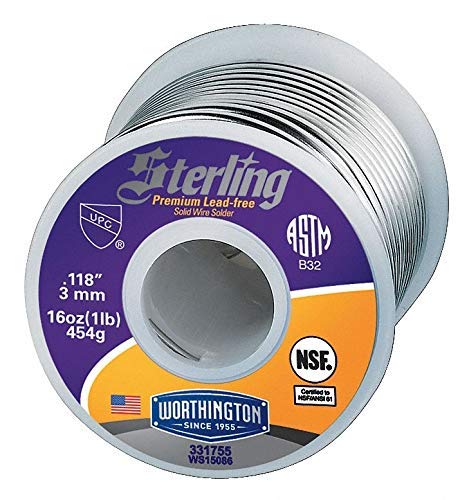
Achieving a secure and durable joint in copper plumbing demands more than just any metal filler. This solder provides consistent melting behavior that makes joining copper tubing more predictable and safer. Its lead-free composition aligns with modern plumbing codes, offering a safer option without compromising on performance.
Designed with a 0.118-inch diameter, the solder wire is easy to handle during delicate installations and repairs. Worthington ensures a lightweight 1-pound spool that fits comfortably in your toolkit, aiding mobility around tight or awkward plumbing setups.
Thanks to its reliability under heat, this solder flows evenly, minimizing cold solder joints which could lead to future leaks or weak spots. The carefully balanced alloy formulation encourages swift wetting and bonding on copper surfaces, making the solder ideal for environments where precision and longevity are essential.
Whether updating household water lines or conducting detailed HVAC work, this metal filler is crafted to reduce joint failures and optimize system durability. The compact packaging size allows for easy storage without bulk.
Worthington remains a trusted name for professionals who need confidence in their joining materials across varied copper tubing projects.
Best for: Professionals and DIY users requiring a dependable, lead-free joint filler for copper plumbing and HVAC tubing applications.
Pros:
- Lead-free for safer indoor and potable water use
- Consistent diameter for controlled application
- Easy-flow formula reduces weak joints
- Compact 1lb spool fits diverse work environments
- Trusted industry manufacturer
Cons:
- May require appropriate flux selection for optimal bonding
- Solder wire diameter might not suit ultra-fine precision tasks
Technical Breakdown: Top Solder Specifications For Copper Tubing
| Product Name | Material Composition | Melting Point / Range | Weight / Size | Special Features |
|---|---|---|---|---|
| Stay-Brite Silver Solder | Silver Alloy | Not Specified | 0.5 oz | Sealed Package |
| Oatey Copper Alloy Solder | Copper, Bismuth, Tin, Silver | Not Specified | 1/4 lb solder + 1.7 oz flux | Meets ASTM B-32, Safe Drinking Water |
| Essmetuin Lead-Free Wire | Sn 99.3%, Cu 0.7% | 217°C (422.6°F) | 3.2 oz | No Flux, ROHS Compliant |
| AIM Dura-Pure 95/5 | 95% Tin, 5% Antimony | 232°-240°C (450°-464°F) | 16 oz (1 lb) | ASTM B32 Certified, NSF & UPC |
| Oatey Safe Flo Silver Solder | Copper, Bismuth, Tin, Silver Alloy | 415°-455°F | 1/2 lb | Lead Free, Use Flux Required |
| Safe-Flo Silver Wire | Copper, Bismuth, Tin, Silver Alloy | 415°-455°F | 1 lb | Lead Free, Meets Drinking Water Act |
| Nathan Trotter 50/50 Bar | 50% Tin, 50% Lead | Not Specified | 1 lb (4 x 1/4 lb sticks) | Made in USA |
| Harris Nickel-Bearing Solder | Lead Free, Nickel Bearing | Not Specified | 16 oz | High Strength, HVAC Use |
Picking the Best Solder for Copper Tubing: What Really Matters?

Not all solders behave the same when you’re working with copper tubing, and the outcome depends largely on choosing the right one for your specific plumbing or HVAC tasks. Several critical factors influence how well the solder performs, ensuring your joints last without leaks or corrosion.
Material Composition and Its Impact on Strength
The composition of solder determines its bonding strength, corrosion resistance, and compatibility with copper tubing. This isn’t just about mixing metals—it’s about how each component interacts chemically at join points. For example, silver-based alloys like the Stay-Brite STAR2000 enhance joint durability and resist corrosion, while lead-free mixes such as tin-antimony alloys offer safety and strength.
Silver content improves hardness and flow, usually melting at slightly higher temperatures, which allows solder to fill tight gaps cleanly. In contrast, solders composed mainly of tin and copper, like the Essmetuin wire (99.3% tin, 0.7% copper), have lower melting points, offering smoother flow but potentially less tensile strength than silver alloys.
Ignoring the right material blend can result in weak joints susceptible to cracking or corrosion, leading to leaks and expensive repairs. Choosing the right alloy matched to your application ensures the solder won’t degrade under pressure or temperature fluctuations, keeping the plumbing system reliable for years.
Melting Point and Temperature Control
The melting range of solder must closely align with your work conditions to avoid damaging copper tubing or fittings. If the solder melts too hot, it can weaken copper or cause oxidation; too low, and the joint won’t bond properly. For example, the AIM Dura-Pure 95/5 solder melts between 232°C and 240°C (450°-464°F), providing an ideal balance where it melts evenly without overheating the tubing.
Lower melting points, like the Essmetuin solder at 217°C (422.6°F), allow faster heating and less thermal stress but may be less robust in high-temperature environments. Silver-bearing solders tend to have melting ranges in the 415°F to 455°F zone that optimize flow and strength for potable water lines.
Failing to consider melting ranges can lead to poor solder flow, cold joints that leak, or damage to copper pipes. Using a solder with a proper melting range tailored for plumbing applications improves joint integrity and extends the system’s lifespan.
Flux Compatibility and Application Ease
Flux plays a key role in soldering by cleaning metal surfaces and promoting adhesion. Some solders come with flux included, like the Oatey Premium Plumbing Solder and Flux Kit, which ensures compatibility and simplifies the process. Others, such as the ZHUOBAO Essmetuin lead-free wire, require separate flux application, offering control but demanding skill.
Flux formulations vary, some designed to minimize residues and corrosion or meet potable water standards. Proper flux application prevents oxidation during heating and enables the solder to flow smoothly and bond tightly. For instance, the Oatey flux meets stringent safety and cleanliness requirements, vital for healthy plumbing systems.
Skipping or misapplying flux can cause solder to ball up or fail to stick, resulting in weak, leaky joints. Being mindful of flux compatibility and using the right type ensures cleaner, more reliable connections with less rework.
Wire Gauge and Form Factor for Precision Work
The thickness and form of solder wire affect how easily and accurately you can feed solder into tight joints or complex configurations. Thin wires like Stay-Brite’s 3/64 inch diameter solder enable delicate, precise applications typical in HVAC or small copper tubing tasks.
Bulkier wire or bar solder, such as Nathan Trotter’s 50/50 bar form, provides greater solder volume for larger pipes but requires more control during application. Thinner wire melts faster and allows smoother control, reducing waste and improving joint neatness.
Using the wrong gauge can result in excess solder that clogs joints or too little solder that leaves gaps. Selecting solder wire size based on tubing diameter and joint accessibility optimizes heat control and solder distribution, improving overall workmanship.
Lead Content and Safety Standards
Lead presence in solder is a major concern, especially for potable water pipes. Lead-based solders like Nathan Trotter’s 50/50 tin-lead bar offer good flow and melting characteristics but pose health risks and are banned for drinking water systems in many areas.
Lead-free solders containing alloys of tin, silver, copper, bismuth, or antimony, such as Oatey’s Safe-Flo and AIM Dura-Pure, comply with Safe Drinking Water Act standards. These options avoid toxicity while still delivering strong, durable joints.
Ignoring lead-free requirements may cause legal and health issues, while choosing compliant solders protects users and meets regulatory demands. Matching solder composition to the safety standards relevant to your project is essential for responsible plumbing.
Corrosion Resistance for Longevity
Solder that withstands corrosion guarantees longer-lasting joints free from leaks caused by rust or mineral buildup. Silver-bearing solders and alloys with antimony, such as Harris USA Silver Tough and AIM Dura-Pure, improve resistance to oxidation and environmental wear.
The chemistry of these solders allows them to maintain mechanical strength and adhesion despite moisture and temperature variations in plumbing environments. For example, silver enhances corrosion resistance, while antimony adds hardness without brittleness.
Failing to prioritize corrosion resistance can lead to premature joint failure, costly maintenance, and water damage. Investing in corrosion-resistant solder compounds translates into robust plumbing systems with minimal risk of leaks over time.
Compliance with Plumbing Codes and Certifications
Certification by organizations like ASTM, NSF, and UPC means the solder meets strict standards for safety, quality, and performance. Many Oatey solders carry these certifications, ensuring they’re suitable for potable water and meet legal plumbing requirements.
Certified solders undergo precise testing for lead content, tensile strength, melting point, and flow characteristics. This provides assurance that the product can maintain reliable joints under typical plumbing stresses and water quality demands.
Ignoring certifications risks using substandard materials that could void coverage or fail inspections, costing more in the long run. Choosing certified solder guarantees adherence to code, boosting confidence in the safety and durability of your projects.
Frequently Asked Questions
What makes silver-based solder better for copper tubing joints?
Silver-based solder creates much stronger and more durable joints than typical lead-free or tin solders. Its silver content improves corrosion resistance, which helps maintain leak-free connections under stress and temperature changes.
For example, Stay-Brite STAR2000 contains a silver alloy that flows evenly and fills small gaps, making it ideal for precise plumbing and HVAC repairs.
Pro tip: Use flux specifically made for silver solder to ensure clean flow and prevent oxidation during soldering.
Is lead-free solder suitable for potable water copper tubing?
Lead-free solder is the best choice for potable water copper tubing because it prevents lead contamination, keeping water safe and joints durable. This ensures compliance with health standards and plumbing codes.
An example is Oatey Safe-Flo Silver Bearing, which meets the Safe Drinking Water Act requirements, meaning no harmful substances leach into the water.
Always use lead-free solder for drinking water lines to maintain safety and legal standards.
Why does solder melting point matter for copper tubing applications?
The melting point affects how smoothly solder melts and joins copper pipes without causing damage. If it’s too high, the tubing can get overheated; too low, and the joint might not hold well, leading to leaks.
For example, AIM Dura-Pure’s tin-antimony solder melts between 232°-240°C (450°-464°F), providing a good blend of flow and safety for most copper tubes.
Always pick solder with a melting point suited to your heat source and pipe thickness to ensure a secure joint.
Can I use solder without flux for copper pipe joints?
Solder without flux rarely forms strong, leak-proof joints because flux cleans and prepares the metal surface. It helps solder flow smoothly and bind properly to copper pipes.
Some products, like ZHUOBAO Essmetuin’s lead-free solder, omit flux but demand a separate flux application. This ensures good adhesion and avoids corrosion risks.
Always apply flux when soldering copper tubing. Skipping it or using the wrong type can lead to weakened joints and costly leaks.
How does solder diameter affect copper tubing repairs?
Solder diameter influences the ease and precision of your work. Thinner solder wire allows for more control, perfect for delicate or tight spots. Thicker solder melts quicker, making it better for larger pipes or joints.
For instance, a 3/64 inch solder wire suits small copper tubing tasks, providing smooth flow and precise application. This helps prevent overheating or excess solder buildup.
Pick a solder diameter that matches your pipe size to create sturdy joints and avoid wasting material.
Maximizing Reliability in Copper Tubing Connections
Choosing the right solder for copper tubing can significantly enhance the reliability and longevity of your piping system. Using an appropriate solder eliminates common issues like leaks and corrosion by ensuring the material’s melting point aligns perfectly with the tubing, creating durable, leak-proof joints.
Professionals tackling demanding HVAC or plumbing projects should opt for silver-bearing solders known for their superior mechanical strength and longevity. Conversely, homeowners performing routine repairs might select tin-copper solders, which are effective for light-duty, low-pressure applications while being cost-efficient.
Prioritize thorough cleaning and correct flux application to achieve optimal solder adhesion. Additionally, heating techniques must be carefully controlled to avoid overheating or insufficient fusion, both of which can compromise joint integrity and system safety.
Last update on 2026-11-16 / Affiliate links / Images from Amazon Product Advertising API