
Cold showers hit hard when your water heater runs dry mid-bath. Waiting endlessly or dealing with inconsistent heat ruins your routine. Finding a reliable, large-capacity heater becomes urgent.
The Rinnai REHP80 uses an electric heat pump to deliver 80 gallons efficiently, cutting energy bills while providing steady hot water. The Rheem Performance 75 focuses on traditional electric heating with a durable glass-lined steel tank. Both models tackle demand but via different technologies.
The A.O. Smith Signature Premier fits homes needing balance—offering advanced controls that optimize performance and cut standby loss.
| Image | Name | Editor's Rating | Price |
|---|---|---|---|
|
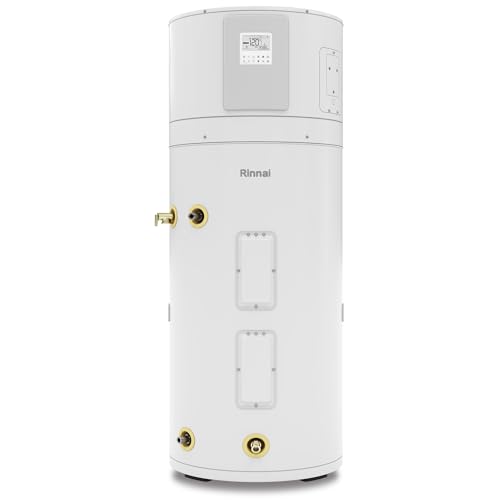
Rinnai REHP80 Electric Heat Pump Water Heater 80 Gallon Ener...
|
|
Discover the Best 75 Gallon Water Heater Options for Your Home
Selecting the right large-capacity water heater combines energy efficiency with reliable performance, ensuring your household’s hot water needs are met seamlessly and sustainably.
1. Rinnai REHP80 Electric Heat Pump Water Heater – Efficient 80 Gallon Capacity
- Energy-efficient performance: Energy Star Certified. Extracts heat from ambient air to deliver...
- High first-hour delivery: Provides up to 91 gallons of hot water in the first hour‚ ideal for...
- Demand-Response Enabled: Saves you money by communicating with local utilities to reduce energy...
Finding a water heater that balances capacity, energy efficiency, and performance can be surprisingly tricky, especially for larger households. The Rinnai REHP80 Electric Heat Pump Water Heater takes an innovative approach by extracting heat from ambient air to supply hot water efficiently.
This model offers up to 91 gallons of hot water in the first hour, making it a solid choice for families with high demand. Its 80-gallon tank capacity combined with heat pump technology means you get reliable hot water without the typical high energy bills.
The design uses a durable glass-lined steel tank that is UL and NSF certified, enhancing its lifespan and reliability. With zero emissions during operation and a high Uniform Energy Factor of 3.90, it lowers energy consumption in a way traditional electric heaters simply can’t.
Installation is straightforward with standard 3/4″ connections and no clearance needed around the unit. Its demand-response enabled feature helps reduce electricity costs during peak hours by communicating with local utilities. Maintenance remains manageable thanks to quality materials and efficient heat transfer using R134a refrigerant.
Best for: Larger households seeking an energy-saving water heater that meets high daily hot water demands with smart energy management.
What We Like:
- Energy Star certification ensures lowered energy use and fees
- High first-hour delivery meets intense hot water needs
- Demand-response feature cuts costs during peak energy periods
- Durable glass-lined steel resists corrosion and extends life
- Simple installation with zero clearance required
Specification:
| Specification | User Benefit |
|---|---|
| Capacity (80 gallons) | Supports large households with plenty of hot water supply |
| Energy Star Certified | Reduces energy consumption for cost-effective operation |
| Heat Pump Technology | Uses ambient air heat to minimize electricity use |
| High First Hour Delivery (91 gallons) | Handles high demand periods without running out of hot water |
| Glass-Lined Steel Tank | Protects against corrosion for longer lasting durability |
| Demand-Response Enabled | Communicates with utility companies to lower power usage in peak times |
| 240V / 30A Operation | Compatible with standard residential electrical setups |
| Zero Clearance Installation | Fits easily into tight spaces without extra room |
| Dimensions (25.69″W x 74.56″H) | Compact vertical design for flexible placement |
| R134a Refrigerant | Efficient heat transfer with environmentally friendly refrigerant |
Technical Breakdown: Top 75 Gallon Water Heater Specifications
| Product Name | Capacity | Power Source & Voltage | Material | Dimensions (W x H) |
|---|---|---|---|---|
| Rinnai Electric Heat Pump | 80 gallons | ac_dc, 240 volts | Glass-Lined Steel | 25.69″W x 74.56″H |
What Should You Look for in the Best 75 Gallon Water Heater?

Choosing a water heater close to 75 gallons involves more than just capacity. Several key factors determine how efficiently it operates, how long it lasts, and how well it suits your home’s needs. Knowing what makes a difference can save you headaches and utility bills down the line.
Capacity and Tank Size
Capacity is the most obvious consideration. A 75-gallon tank offers a substantial water reserve, ideal for larger households or those with high demand. However, capacity isn’t just about volume; tank shape and dimensions influence installation and space usage.
Water heaters like the Rinnai REHP80, with a slightly larger 80-gallon capacity, illustrate how some models provide extra buffer. The physical measurement of 25.69″ wide by 74.56″ high impacts where it fits, especially in tight utility rooms. Materials like glass-lined steel preserve water quality and protect against corrosion, which is vital for durability at this size.
Overestimating capacity can mean wasted energy heating unused water, while underestimating causes frequent refills and inconsistent hot water supply. Matching tank size to daily household consumption maintains comfort and efficiency without unnecessary costs.
Energy Source and Efficiency
The power source partly defines how the heater works and its operational costs. Electric, gas, and heat pump models vary widely in efficiency and installation requirements. For an 80-gallon model running on 240 volts AC/DC electricity, energy consumption and eco-friendliness become critical discussion points.
Heat pump water heaters operate by extracting heat from ambient air, moving it into the water tank, which uses less energy than direct electric resistance heating. High-efficiency electric models often carry Energy Star ratings, highlighting reduced electricity usage compared to older or gas-fired models.
Ignoring energy efficiency can lead to inflated utility bills and unexpected maintenance expense. Investing in a model optimized for energy use dramatically lowers operational costs over time while reducing environmental impact.
Tank Material and Longevity
The composition of the water heater tank influences longevity, water quality, and corrosion resistance. Common options are glass-lined steel, stainless steel, and sometimes plastic composites internally. Glass-lined steel tanks, like those in the Rinnai unit, resist rust by creating a sealed barrier between water and metal.
This lining literally fuses into the steel tank surface at high temperatures, protecting steel from deterioration while maintaining structural integrity. Alternatives like stainless steel offer corrosion resistance but at a higher initial cost, while bare steel tanks rust faster if not maintained.
A tank that corrodes prematurely risks leaks and failure, forcing early replacement. Prioritizing robust materials increases lifespan and reduces maintenance frequency, making the upfront investment worthwhile.
Physical Dimensions and Installation Requirements
Water heaters of 75 gallons or more require considerable space, both horizontally and vertically. Dimensions such as width and height impact where a unit can be installed, and certain models have specific space clearances for ventilation or maintenance.
Understanding exact measurements helps avoid installation nightmares. For example, a unit that is 25.69 inches wide and over 74 inches tall demands a tall, narrow space, and may not fit under standard cabinets or through narrow doorways. Also, weight considerations may impact floor support requirements.
Failing to account for size constraints can lead to costly alterations, delayed installations, or having to return products. Confirming dimensions before purchase ensures smooth setup and proper function.
Recovery Rate and Performance
Recovery rate measures how quickly a water heater replenishes its hot water supply after depletion. Larger tanks must balance capacity with the ability to heat new water fast enough for continuous demand.
Models designed for higher flow rates may use more powerful heating elements or advanced controls. For instance, heat pump models heat more slowly but offset this with energy savings. An 80-gallon tank connected to a 240-volt system typically delivers faster recovery than smaller electric units.
Ignoring recovery rate results in lukewarm showers during peak use and an unreliable hot water source. Matching recovery specs to household usage patterns maintains steady comfort and avoids frustration.
Frequently Asked Questions
What are the benefits of choosing an 80-gallon water heater over a 75-gallon model?
Opting for an 80-gallon water heater offers slightly more hot water capacity, which is beneficial for larger households or increased simultaneous water demands. The extra 5 gallons can reduce the frequency of water heater cycling under heavy use.
For example, the Rinnai REHP80 features 80 gallons and high energy efficiency, providing a practical balance between capacity and usability.
Keep in mind, choosing a larger capacity water heater might require more installation space and possibly higher upfront costs.
How important is the material of the water heater tank in choosing the best 75 gallon water heater?
The tank’s material plays a big role in how long the heater lasts and how well it resists rust. Glass-lined steel is popular because it offers solid protection against corrosion, making it a top choice in many electric models.
For example, Rinnai uses glass-lined steel to help extend the water heater’s lifespan and keep it in good shape longer than plain steel tanks.
Even with great materials, remember that regular flushing is key to avoid sediment buildup and protect your water heater over time.
Are electric heat pump water heaters efficient for residential use?
Electric heat pump water heaters are highly efficient as they transfer heat from the surrounding air to heat water, using less electricity than traditional electric resistance heaters. This makes them a smart choice for energy-conscious homeowners.
The Rinnai REHP80 uses a heat pump mechanism and runs on 240 volts AC/DC, combining power efficiency with a high capacity of 80 gallons.
Ensure proper installation in spaces with good air circulation to maximize efficiency and reduce operating costs.
What installation considerations should be made for large capacity water heaters?
Large water heaters require sufficient physical space and adequate electrical capacity. Their height and width must fit within the installation area, and they need proper ventilation if using a heat pump.
The Rinnai model measures 25.69″W x 74.56″H, so confirming available space beforehand is important to avoid installation issues.
Consult a professional plumber or electrician to verify your home’s compatibility with the water heater’s dimensions and power requirements.
How can I maintain a 75-gallon or larger water heater for optimal performance?
Regularly flushing the tank removes sediment that can reduce heating efficiency and cause wear. Checking the anode rod helps prevent corrosion and extends the unit’s life. Proper thermostat settings avoid unnecessary strain on the system.
With electric heat pump models like the Rinnai REHP80, cleaning or replacing air filters ensures proper airflow and efficiency. Neglecting this can lead to higher energy bills and uneven heating.
Professional maintenance once or twice a year is a smart move to spot issues early and ensure reliable operation.
Maximizing Efficiency with the Right 75-Gallon Water Heater
Choosing a 75-gallon water heater tailored to your household size can significantly enhance hot water availability and energy efficiency. The right model reduces wait times and minimizes energy waste, transforming your daily water use experience.
Those with larger families or high water usage should consider tanks with robust construction and high capacity, like glass-lined steel models for durability. Meanwhile, energy-conscious buyers may prefer heat pump options that balance performance with savings.
Assess your home’s installation space and power setup carefully before purchase. Routine upkeep, such as flushing out sediment, is key to maintaining efficiency. Avoid picking a unit with too small a capacity to prevent inefficiencies and premature wear.
Last update on 2026-10-26 / Affiliate links / Images from Amazon Product Advertising API