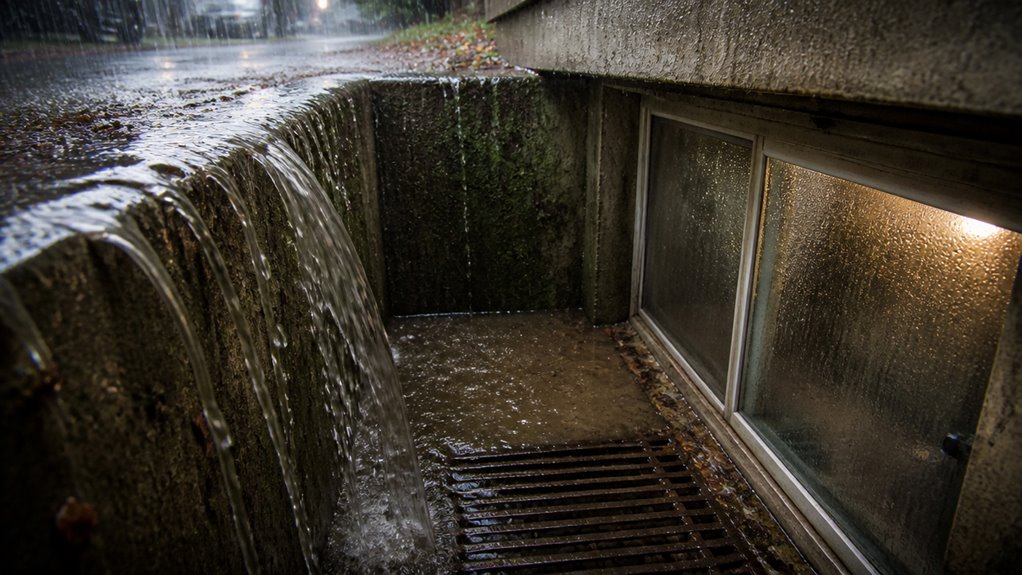
If your basement window well is leaking, it’s likely due to drainage issues, poor grading, or cracks around the window frame.
You should clear clogged drains, extend downspouts 4–6 feet away, and make certain soil slopes away from your foundation at a minimum 5% grade.
Sealing gaps with quality waterproof sealants and installing tight-fitting window well covers also help prevent leaks.
Keeping these systems maintained reduces moisture intrusion and damage.
Exploring further will reveal practical steps to protect your basement effectively.
Key Takeaways
- Drainage failures, such as clogged or missing drains, are a common cause of basement window well leaks.
- Poor exterior grading that slopes soil toward the foundation directs water into window wells, causing leaks.
- Overflowing gutters and short downspouts increase water saturation near window wells, leading to leaks and moisture issues.
- Sealing cracks and gaps around the window frame and well-to-foundation joint prevents direct water intrusion into the basement.
- Regular maintenance of drains, gutters, and window well covers helps prevent leaks and manages excess water effectively.
What Causes Basement Window Well Leaks?

Although basement window well leaks can stem from various issues, the primary causes usually involve drainage failures, poor grading, or compromised seals.
You’ll often find missing or clogged drains trapping water in the well, leading to overflow into the basement.
If the exterior soil slopes toward your foundation, surface water won’t drain away properly.
Additionally, overflowing gutters or short downspouts can dump excessive water near the well.
Cracks or gaps around the window frame or well-to-foundation joint create direct entry points for moisture.
Improper installation, undersized wells, or lack of a proper drainage connection further increase leak risks.
To fix this, you need to clear drains, regrade soil, seal all openings, and ensure gutters and downspouts direct water well away from your foundation.
Using a sump pump can also help manage excess water accumulation in the window well area effectively.
Warning Signs of Leaking Window Wells
If you’ve noticed some water pooling in your window well after it rains or when the snow melts, that’s definitely a red flag. It usually means there might be some drainage issues that need your attention.
Another thing to watch out for is mold and mildew around the window frame. If you see that, it’s a clear sign that moisture is sticking around longer than it should.
Catching these signs early on can save you a lot of headaches down the road. It’s all about preventing structural damage and avoiding those costly repairs that no one wants to deal with!
To effectively manage water issues, it’s important to optimize drainage and waterproofing around the window well to prevent seepage and moisture buildup.
Visible Water Accumulation
When water pools visibly in your basement window well after rain or snowmelt, it signals a failure in the drainage system or that the well’s capacity has been overwhelmed.
This accumulation usually results from clogged drains, poor grading, or inadequate well size. You should inspect debris buildup and verify drain functionality promptly to avoid water intrusion.
| Cause | Effect |
|---|---|
| Clogged or missing drain | Water collects and overflows |
| Poor exterior grading | Surface water flows toward well |
| Overflowing gutters | Increased water saturation |
| Cracks or damaged seals | Water penetration points |
Address these issues by cleaning drains, improving grading, sealing gaps, and ensuring proper well installation to prevent further accumulation.
Mold And Mildew Growth
Visible water accumulation in your basement window well creates a persistent moisture environment that encourages mold and mildew growth. When water infiltrates through cracks, failed seals, or clogged drains, it raises humidity levels and keeps surfaces damp.
This consistently moist setting allows mold spores to settle and proliferate on window frames, walls, and adjacent materials. You’ll notice musty odors, discoloration, or fuzzy patches, signaling hidden water intrusion.
To address this, first eliminate standing water by clearing debris from drains and ensuring proper drainage away from the foundation. Seal gaps around the window frame and well-to-foundation joint with durable waterproof materials.
Improving exterior grading and extending downspouts prevents future saturation. Promptly controlling moisture halts mold growth, protecting your basement’s structural integrity and indoor air quality. Monitoring for persistent foul odors can help detect ongoing moisture issues linked to water intrusion.
Fix Drainage Problems Causing Window Well Leaks
To tackle window well leaks, start by clearing out any clogged drains. This step is crucial because it ensures that water can flow freely away from the window well. If the drains are blocked, water will just pool up, leading to leaks.
Next up, let’s talk about exterior grading. It’s important to have the soil sloping away from your foundation. This will help prevent surface water from building up around your home. If the ground is sloped correctly, it’ll direct water away, keeping your foundation safe and dry.
Lastly, don’t forget about your downspouts! Extending them to discharge runoff well beyond the window well area is a smart move. This simple adjustment will significantly reduce saturation near your foundation, helping to keep those leaks at bay.
Regularly inspecting and maintaining drainage systems is essential to prevent surface water infiltration that can cause leaks and structural damage.
Clearing Clogged Drains
Clogged drains in your basement window well can quickly lead to water accumulation and seepage issues. You’ll want to clear out any debris obstructing proper flow.
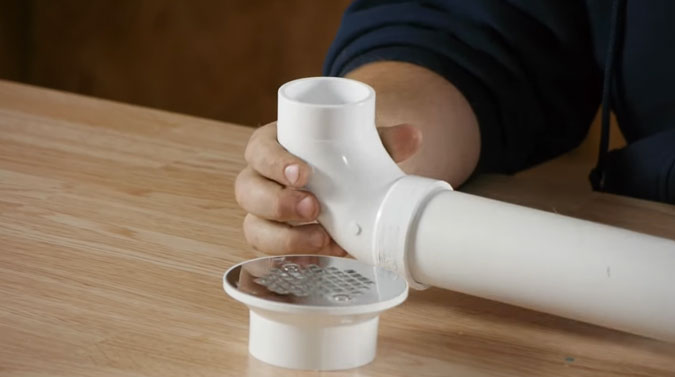
Start by removing leaves, dirt, gravel, and sediment buildup from the drain opening and the gravel base. Use a plumber’s snake or high-pressure water jet to dislodge blockages within the drainpipe.
Inspect the drain for damage or collapse, replacing any compromised sections immediately. Make certain the drain connects properly to the building’s foundation drainage system or an approved alternative.
Maintain clean gravel at the well’s base to promote water infiltration. Regularly check and clear the drain, especially after heavy rain or falling leaves, to prevent backup and overflow that can saturate soil and force water past window seals.
If clogging persists, it is important to call a professional plumber to avoid further damage and ensure proper drainage function.
Improving Exterior Grading
When surface water doesn’t flow away from your foundation, it increases the risk of basement window well leaks. This happens by saturating the soil and overwhelming drainage systems.
To fix this, ensure the ground slopes away from the foundation at a minimum 5% grade, which is about 6 inches over 10 feet. Use compacted soil to create a consistent downward slope, directing runoff away from window wells and walls.
Avoid low spots where water can pool near the foundation. You should also remove debris or landscape features that obstruct water flow. Proper grading reduces hydrostatic pressure on window wells, limiting water infiltration.
Regularly inspect the grading, especially after heavy rain or landscaping changes. Regrade if necessary to maintain effective surface water diversion. This approach prevents excess moisture buildup that compromises window well drainage.
Additionally, installing a dedicated circuit for sump pumps used in drainage systems can ensure reliable operation and prevent electrical issues that may worsen water infiltration problems.
Extending Downspouts Properly
You can prevent water from pooling around your basement window well by properly extending downspouts to direct roof runoff well away from the foundation.
Extend downspouts at least 4 to 6 feet from the house, using rigid extensions or flexible piping.
Make sure downspouts discharge onto a slope or splash block to avoid saturating soil near the well.
Regularly inspect and clear gutters and downspouts to prevent clogging, which causes overflow near the foundation.
Proper extension reduces hydrostatic pressure and water intrusion risk.
Installing a check valve in your drainage system can help prevent water from flowing back toward the foundation.
| Step | Action |
|---|---|
| 1. Measure Extension | Extend 4-6 feet from foundation |
| 2. Choose Material | Use rigid or flexible downspout pipes |
| 3. Slope Management | Make sure discharge slopes away |
| 4. Install Splash Block | Direct water further from soil |
| 5. Maintenance | Clean gutters and downspouts regularly |
Seal Cracks and Gaps to Stop Water Entry
Identify and thoroughly seal any cracks or gaps around the basement window frame, well-to-foundation joint, and adjacent wall surfaces to prevent water intrusion.
Use high-quality, flexible sealants or hydraulic cement designed for exterior masonry to guarantee durability and waterproofing.
Before applying, clean surfaces of dirt, debris, and loose material for peak adhesion.
Address even minor openings, as water can exploit small vulnerabilities.
Inspect seals annually and after severe weather.
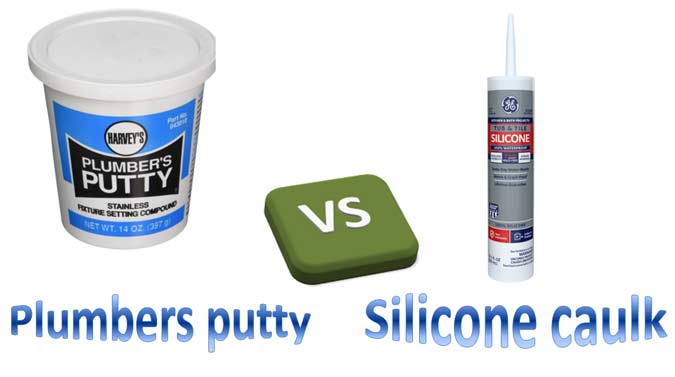
Use polyurethane or silicone caulk for minor gaps.
Apply hydraulic cement for larger cracks or deteriorated mortar.
Make sure the sealant fully penetrates and fills voids.
Smooth and tool the sealant to create a continuous barrier.
Proper sealing greatly reduces leaks by blocking common water entry points at the window well.
For effective long-term protection, ensure to maintain water pressure by keeping main water valves properly managed to avoid plumbing issues during severe weather.
Improve Grading and Roof Drainage Around Window Wells
Although sealing cracks is essential, ensuring proper exterior grading and effective roof drainage around window wells plays an equally important role in preventing water accumulation.
Sealing cracks is vital, but exterior grading and roof drainage are equally crucial to prevent water buildup.
You need to verify that soil slopes away from the foundation at a consistent grade, typically a minimum 5% slope (6 inches over 10 feet), to direct surface water away from the window well.
Additionally, extend downspouts at least 4 to 6 feet from the foundation to prevent roof runoff from saturating soil near the well.
Inspect gutters regularly to avoid overflow that can dump water beside the well.
Properly maintained grading and roof-water control reduce hydrostatic pressure and minimize the volume of water entering the window well.
This complements interior sealing efforts to keep your basement dry and structurally sound.
When managing water around foundation areas, it is important to understand local storm sewer regulations to ensure compliance with drainage practices.
Prevent Window Well Leaks With Covers and Maintenance
Regularly installing and maintaining tight-fitting window well covers markedly reduces water entry from rain and snow. These covers act as a first line of defense, preventing direct water accumulation in the well. To guarantee peak protection, you must also perform routine maintenance on the covers and surrounding drainage components.
Focus on these key tasks:
Inspect window well covers for cracks or warping and replace if damaged. Clear debris such as leaves and sediment that can clog drains or cover edges. Maintain a gravel base inside the well to facilitate water flow toward the drain. Check seals between the window frame and well for deterioration and reapply caulk as needed. Verify that drains remain unobstructed and connect properly to the perimeter drainage system.
Consistent upkeep prevents leaks and extends the lifespan of your window well system. Additionally, ensuring that discharge pipes extend at least 10 feet away from the foundation helps prevent water from pooling near the basement walls and reduces the risk of leaks into window wells by directing water to an approved discharge location.
Frequently Asked Questions
How Often Should Window Well Drains Be Professionally Inspected?
You should have your window well drains professionally inspected at least once a year, preferably before the rainy season.
Regular inspections help detect clogs, damage, or improper grading early.
If you notice frequent pooling, leaks, or saturation, schedule an assessment immediately.
Staying proactive prevents costly repairs and water damage by ensuring drainage systems function efficiently.
This maintains proper flow away from your foundation and protects your basement from moisture intrusion.
What Materials Are Best for Sealing Window Well Cracks Long-Term?
You should use high-quality polyurethane or silicone-based sealants for long-term crack sealing around window wells.
These materials offer strong adhesion, flexibility, and resistance to water, temperature changes, and UV exposure.
For larger gaps or structural cracks, apply hydraulic cement or epoxy injections first to stabilize the area, then seal over it.
Always clean and dry the surface thoroughly before application to ensure maximum bonding and durability.
Can Window Well Leaks Affect Home Insurance Coverage?
Yes, window well leaks can affect your home insurance coverage if neglected. Many policies exclude damage caused by unresolved maintenance issues like leaks.
You should document repairs and promptly address leaks to avoid claim denials. Maintaining proper drainage, sealing cracks, and preventing water intrusion demonstrates due diligence.
If water damage occurs due to sudden events, coverage typically applies. However, ongoing leaks from poor upkeep may not be covered.
Are There Specific Local Codes for Window Well Installation?
You know what they say: “Measure twice, cut once.”
Yes, local codes often require window wells to connect to the building’s foundation drainage system or use approved alternatives.
For example, Minnesota mandates proper drainage and vertical standpipes for frequent flooding.
You should check your local building codes to make certain compliance with drainage, sizing, sealing, and installation standards.
Following these rules prevents leaks and structural damage effectively.
How to Detect Hidden Mold Behind Basement Window Wells?
To detect hidden mold behind basement window wells, start by inspecting for musty odors and visible discoloration or staining near the window frame.
Use a moisture meter to check dampness levels in the surrounding walls.
Employ a borescope or small inspection camera through any accessible gaps to visually confirm mold presence.
If necessary, perform air quality testing for elevated mold spores.
Promptly address moisture sources to prevent mold growth from worsening.
Basement Window Well Leaking: Final Prevention Tips
You can’t afford to ignore a leaking basement window well. It’s like a ticking time bomb for your foundation.
By fixing drainage issues, sealing cracks, and improving grading, you’ll stop water in its tracks.
Don’t forget to install covers and maintain them regularly to keep problems at bay.
Taking these precise, proactive steps guarantees your basement stays dry and your home’s structural integrity remains rock solid for years to come.