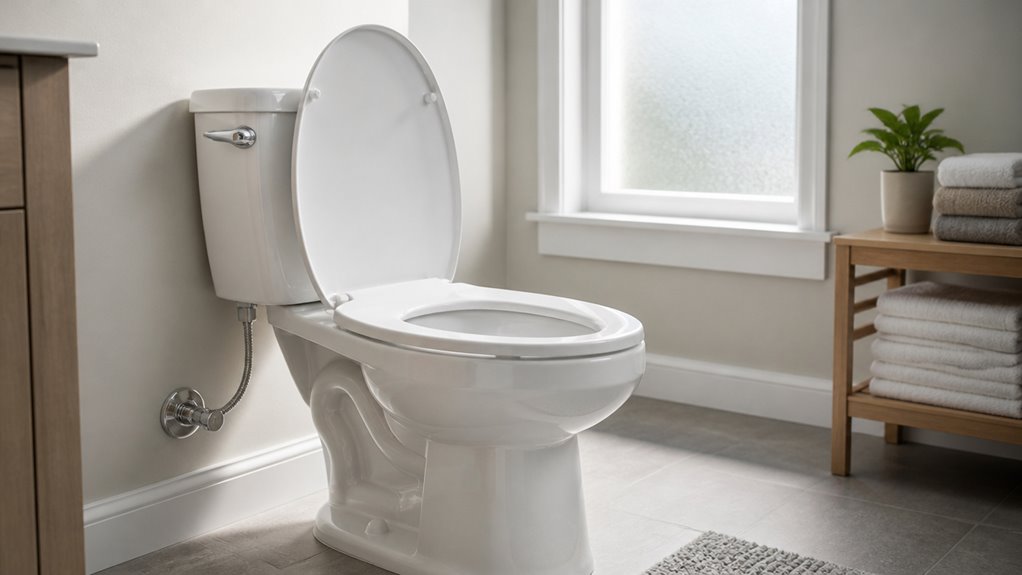
You can turn off your toilet water safely for minutes to several hours for minor repairs without issue.
Shutting it off overnight or for a day poses low risk, as trap water blocks sewer gases.
Up to a week is generally safe if you maintain some water in the bowl.
Longer shutoffs may cause dried seals, odors, or microbial growth.
Proper preparation and careful restoration help avoid problems.
Keep going to understand precise precautions and steps for shutoff and restart.
Key Takeaways
- Toilets can be safely shut off for several days to a week without major issues due to trap water blocking sewer gases.
- Shutoffs lasting weeks risk dried seals, evaporated trap water, odors, and microbial growth inside the toilet.
- Short shutoffs (minutes to hours) are safe for minor repairs and don’t affect internal components.
- Use the shutoff valve gently; quarter-turn valves enable quick shutoff, while multi-turn valves require more care.
- Before restoring water, open the valve slowly and check for leaks, ensuring the tank refills properly for normal operation.
How Long Is It Safe to Turn Off Toilet Water?

You can safely turn off your toilet’s water supply for short periods ranging from a few minutes to several days without causing damage.
For brief shutoffs, such as minutes to a few hours, you can perform minor repairs like replacing a flapper or fill valve without risk.
Use a quarter-turn valve to stop flow quickly, usually under 5 seconds; older multi-turn valves may take longer.
Shutting off water overnight or up to a day is also low risk and practical when awaiting parts or service.
During these periods, the toilet won’t refill after flushing, but internal components remain unaffected.
Even shutoffs lasting several days to a week pose minimal risk, as trapped water in the bowl prevents sewer gases and maintains seals.
Just make sure you reopen the valve to restore normal function.
However, it is important to understand the types of valves you are operating to ensure proper shutoff and avoid damage.
What Happens to Your Toilet During Short, Medium, and Long Shutoffs?
Understanding how your toilet responds during different shutoff durations helps manage maintenance and avoid potential issues.
Knowing your toilet’s reaction to various shutoff lengths aids in effective maintenance and problem prevention.
For short shutoffs, lasting minutes to a few hours, you’ll lose flushing ability but won’t risk damage. Repairs like replacing a flapper fit this window well.
Medium shutoffs, lasting up to a day or overnight, are generally safe. Your toilet won’t refill, limiting use, but standing water usually prevents odors.
For multi-day shutoffs, lasting up to a week, the trap water remains, blocking sewer gases, though flushing stays unavailable.
Extended shutoffs lasting weeks or more risk drying seals, evaporated trap water, and possible odor or bacterial growth. Draining the tank before long shutoffs minimizes standing water issues.
When you restore water, open the valve and let the tank refill automatically to resume normal operation. Regular maintenance, such as cleaning the fill valve, can help prevent issues when water is turned off for extended periods.
Risks of Leaving Toilet Water Shutoff On for Extended Periods
Although turning off your toilet’s water supply for short periods poses minimal risk, leaving it shut off for extended durations can lead to several issues.
Over weeks or months, seals may dry out, leading to leaks or malfunction. The bowl’s trap water can evaporate, allowing sewer gases to enter your home. Stagnant moisture may foster mold or bacterial growth, posing health risks.
| Risk | Cause |
|---|---|
| Seal degradation | Prolonged dryness |
| Odor infiltration | Evaporated trap water |
| Microbial growth | Stagnant moisture and debris |
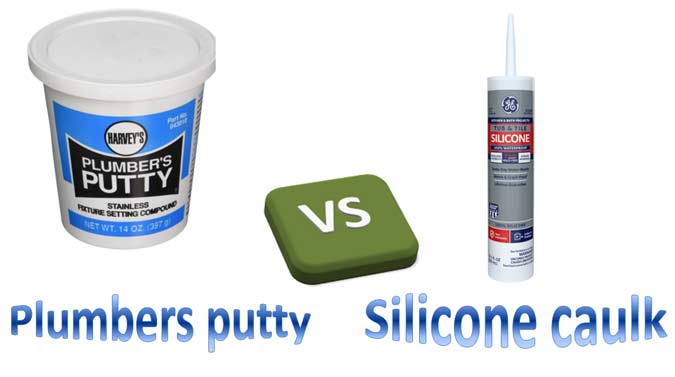
You should monitor these risks and avoid long shutoffs without proper preparation or periodic maintenance to maintain toilet integrity and indoor air quality. Using silicone caulk around the base can help protect against moisture damage during extended water shutoff periods.
How to Prepare Your Toilet for an Extended Water Shutoff?
When planning an extended water shutoff for your toilet, proper preparation minimizes potential damage and odor issues. First, turn the shutoff valve clockwise to stop water flow. Then flush to empty the tank.
Properly prepare for extended toilet water shutoffs to prevent damage and odors by shutting off the valve and flushing.
Drain any remaining water to reduce standing moisture that can cause mold or odors. Check the valve for smooth operation; older valves may need gentle handling. Seal the toilet with a lid to limit dust entry and maintain hygiene.
If the shutoff will last several days or more, consider periodically adding water to the bowl to keep the trap seal intact and prevent sewer gas escape. Finally, keep an alternative bathroom available, as flushing won’t work until water is restored.
This preparation guarantees the toilet remains protected during long water interruptions. Keep in mind that shut-off valves require regular maintenance to ensure they function properly when needed.
How to Safely Turn Toilet Water Back On After a Shutoff?
Start by slowly turning the shutoff valve counterclockwise to restore water flow to your toilet.
Open the valve gradually to prevent pressure surges that might damage plumbing or cause leaks.
Once open, allow the tank to fill fully without flushing.
Check for leaks around the valve, supply line, and connections.
If the tank was drained before the shutoff, make certain the fill valve activates properly and refills the tank to the correct water level.
After filling, flush once to confirm normal operation and verify the shutoff valve is fully open.
For older valves, if turning is stiff or leaks develop, consider professional inspection.
Monitor the toilet for a few hours to detect any issues like slow fills or odors before resuming regular use.
If leaks persist, it may be necessary to replace the valve stem or packing to ensure a proper seal.
Frequently Asked Questions
Can Turning off Toilet Water Affect Water Pressure Elsewhere?
Turning off your toilet’s water usually won’t affect water pressure elsewhere. The toilet supply line operates independently, so shutting its valve stops flow only to that fixture.
Your home’s overall water pressure remains steady for showers, sinks, and appliances. However, if your shutoff valve or plumbing is old or partially clogged, you might notice minor pressure changes.
Generally, you can turn off toilet water without worrying about pressure in other parts of your system.
How Do I Know if My Shutoff Valve Is Faulty?
You’ll know your shutoff valve is faulty if it’s hard to turn, leaks around the stem or base, or can’t fully stop water flow.
If the valve feels stuck, turns with excessive force, or water drips after closing, these are clear signs.
Additionally, corrosion, rust, or visible damage indicate problems.
Test by turning it off, flushing the toilet, and confirming no water refills the tank.
If water still enters, the valve likely needs repair or replacement.
Is It Necessary to Inform Others Before Shutting off Toilet Water?
Yes, you should inform others before shutting off toilet water, especially if multiple people use the bathroom.
This prevents confusion and inconvenience since flushing won’t work while the water is off.
Giving advance notice allows anyone needing the toilet to plan accordingly or use an alternative facility.
Clear communication helps avoid unexpected disruptions and frustration during repairs or maintenance requiring water shutoff.
Can Shutting off Toilet Water Cause Mold Outside the Toilet?
Shutting off toilet water itself won’t directly cause mold outside the toilet.
However, if water leaks or spills occur during the shutoff or repairs, moisture can accumulate and promote mold growth on surrounding surfaces.
To prevent this, you should drain the tank before long shutoffs and check for leaks.
Keep the area dry and ventilated. Mold risks arise from moisture, not the lack of water supply to the toilet.
Are There Special Tools Recommended for Turning off Toilet Water?
Imagine you’re fixing a leaky flapper and need to shut off the water quickly.
You don’t usually need special tools; your fingers can turn most quarter-turn shutoff valves easily.
However, if the valve’s stiff or old, channel-lock pliers or an adjustable wrench can help.
Use them gently to avoid damage.
For stubborn valves, a valve key or a silicone sleeve grip can provide extra leverage without scratching the valve body.
How Long Can You Turn Off Water to Toilet? Final Answer
Turning off your toilet’s water is like pausing a small ecosystem. Brief breaks cause little disruption, but extended silence can stir hidden risks like dry seals or corrosion.
You can safely shut it off for a few days to weeks with proper preparation, but beyond that, caution is key.
When you turn it back on, do so slowly, like gently opening a valve to restore balance. This keeps your toilet running smoothly and avoids unexpected leaks or damage.