If your old bathtub drain stopper won’t hold water despite the standing waste being engaged, you likely have worn or misaligned parts disrupting the seal.
Check for hair or debris buildup, loose set screws, or corrosion causing the mechanism to stick.
Inspect the stopper type to ensure proper operation, then clean and adjust components like the linkage rod or stopper height.
If these fixes don’t restore the seal, replacement may be needed. You can explore effective steps to troubleshoot and repair your stopper system.
Key Takeaways
- Remove and clean the stopper and drain to clear hair, soap scum, and debris causing blockage or poor sealing.
- Inspect and adjust the trip-lever linkage rod to ensure the plunger fully opens and closes the drain.
- Check for worn or damaged O-rings, springs, and gaskets, replacing parts as needed to restore a proper seal.
- Tighten loose set screws or realign stopper height to prevent misalignment that stops the drain from working correctly.
- Replace the entire stopper or waste-overflow assembly if cleaning and adjustments fail to fix the standing waste issue.
How to Tell If Your Bathtub Drain Stopper Is Failing?

You’ll often notice your bathtub drain stopper is failing when the tub won’t hold water despite appearing closed.
A bathtub drain stopper often fails when the tub won’t hold water, even if it seems closed.
Common causes include hair, soap scum, and debris buildup that prevent a full seal.
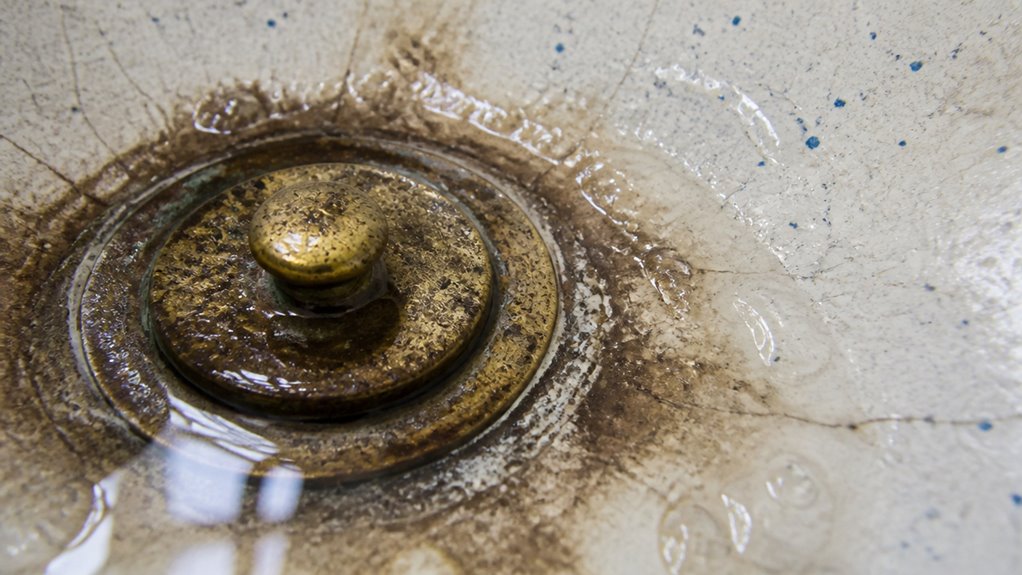
Corrosion or mineral deposits can also cause the stopper mechanism to stick or drag within the drain body.
Additionally, worn springs, gaskets, O-rings, or seals can impair sealing performance.
Loose set screws, misaligned parts, or worn threads may stop the stopper from engaging properly.
If your trip-lever feels loose or doesn’t fully open or close the drain, or if the stopper sits too high or low, these are clear signs of failure.
Visible wobbling or poor engagement further indicates worn or loose hardware that needs attention.
In some cases, ensuring proper automatic shut off mechanisms in water-related devices can help prevent further damage from leaks or flooding.
Identifying Your Bathtub Drain Stopper Type
Noticing that your bathtub stopper isn’t sealing properly is only the beginning of the repair process. First, identify the stopper type, as this guides troubleshooting and replacement.
Common types include lift-and-turn, which you twist to open or close; push-pull, where you push down or pull up; and toe-touch, operated by stepping on it.
There are also pop-up stoppers, controlled by a lever or knob, and trip-lever systems, which use an overflow plate and linkage rod.
Examine your stopper’s operation carefully. If it involves a visible lever or plate on the tub wall, it’s likely a trip-lever system.
If it’s a simple twist or push mechanism on the drain, it’s one of the other types. Correct identification helps you target cleaning, adjustment, or repair effectively.
For hands-free convenience and improved sealing, consider foot-operated mechanical stoppers as a replacement option.
Quick Cleaning Steps to Fix Your Drain Stopper
Start by removing the stopper to clear out any hair, soap scum, and debris that often accumulate around or underneath it.
Use a brush or cloth to clean the stopper body and the drain opening thoroughly.
Next, remove the overflow plate if your stopper uses a trip-lever system.
Then inspect the linkage rod, plunger, and spring for corrosion or buildup.
Flush these parts with hot water or a mild cleaner to dissolve mineral deposits.
Examine O-rings, gaskets, and seals for damage or wear and replace if needed.
After cleaning and inspection, reassemble the stopper mechanism carefully, ensuring all parts fit properly.
Finally, test the stopper with a small amount of water to confirm the seal has improved before proceeding to further adjustments.
Regular maintenance is essential to prevent buildup that can disrupt the water seal and cause drainage issues.
Adjusting Your Stopper for a Better Seal
Fine-tuning your bathtub drain stopper often restores its sealing capability without the need for replacement.
Start by checking the stopper height and alignment; an uneven seat prevents a tight seal. For trip-lever models, adjust the linkage rod length so the plunger drops fully into the drain pipe.
Check stopper height and alignment; adjust linkage rod on trip-lever models for a complete seal.
Tighten any loose set screws on lift-and-turn, push-pull, or toe-touch stoppers to assure proper engagement. Inspect O-rings and gaskets for damage, replacing them if necessary to improve sealing.
After adjustment, reassemble the stopper, making sure it sits flat against the drain opening. Test the stopper with a small amount of water to confirm the seal.
These precise adjustments often resolve leaks caused by misalignment or minor wear, restoring reliable performance without costly replacements. For persistent leaks, consider inspecting the bathtub overflow gasket as it plays a crucial role in preventing water damage.
When and How to Replace Your Bathtub Drain Stopper?
If adjusting your bathtub drain stopper doesn’t restore a proper seal or the mechanism feels unreliable, it’s time to contemplate replacement.
Start by identifying your stopper type: lift-and-turn, push-pull, toe-touch, pop-up, or trip-lever. Remove the old stopper and inspect the drain body for corrosion, damaged threads, or mineral buildup.
Purchase a replacement that matches your existing type and dimensions to guarantee compatibility. Clean the drain opening thoroughly before installation.
Install the new stopper according to manufacturer instructions, paying close attention to proper alignment and secure fastening. Test the stopper’s seal by filling the tub partially with water, checking for leaks or slow drainage.
If the seal fails again, the entire waste-overflow assembly may require replacement. Replacing worn or broken parts guarantees long-term function and prevents water damage.
For enhanced water management, consider integrating a smart water shut off valve to prevent leaks and control water flow remotely.
Frequently Asked Questions
Can Standing Waste Stoppers Cause Slow Drainage Unrelated to Sealing?
Yes, standing waste stoppers can cause slow drainage unrelated to sealing because hair, soap scum, and debris often accumulate around or beneath them. This can partially block water flow.
Corrosion or mineral buildup inside the drain body or overflow channel can also restrict water movement. Regular cleaning and inspection help prevent these blockages.
If you notice slow drainage, check for buildup or mechanical issues with the stopper before assuming a mainline clog.
How Does Mineral Buildup Specifically Affect the Stopper Mechanism?
Mineral buildup causes the stopper mechanism to stick or drag inside the overflow channel and drain body.
It restricts smooth movement by creating friction and blocking the plunger’s full travel.
This prevents a proper seal.
You’ll notice the stopper doesn’t close tightly or feels stiff.
To fix this, remove and soak parts in a descaling solution, then clean and lubricate them to restore smooth operation and guarantee reliable sealing.
Are Certain Stopper Types More Prone to Corrosion or Wear?
About 70% of trip-lever stoppers show corrosion issues faster than other types due to their exposed linkage rods in moist environments.
You’ll find trip-lever mechanisms more prone to wear, especially in the plunger and spring components. Corrosion and mineral buildup cause sticking and misalignment.
In contrast, lift-and-turn or push-pull stoppers, with fewer moving external parts, typically resist corrosion better.
However, they can still suffer from worn seals or set screws over time.
What Tools Are Best for Adjusting Linkage Rods in Trip-Lever Stoppers?
You’ll want a small flathead screwdriver or a nut driver to loosen and tighten the set screws on the linkage rods.
Needle-nose pliers help you grip and adjust the rod length precisely.
Sometimes, a small adjustable wrench works best for stubborn nuts or bolts.
Keep a flashlight handy to see inside the overflow plate area clearly.
These tools let you fine-tune the rod so the plunger seals perfectly without binding.
Can Water Temperature Impact the Performance of Old Drain Stoppers?
Yes, water temperature can impact old drain stoppers.
Hot water may soften rubber gaskets or O-rings, improving their seal temporarily. Cold water can stiffen these components, causing leaks or poor sealing.
Mineral deposits can also harden with repeated temperature changes, leading to sticking or corrosion.
To maintain performance, flush the drain with warm water and inspect seals regularly. Ensure they’re flexible and free of buildup.
Restore Your Bathtub Drain Stopper With Simple Fixes
If your old bathtub drain stopper won’t hold water when standing waste, don’t ignore it. This small issue can signal bigger plumbing problems.
You’ve checked the type, cleaned the mechanism, and adjusted the seal. But if it still leaks, it’s time for a replacement.
Acting now prevents costly repairs later. Ready to tackle the next step? The solution is simpler than you think, but only if you don’t wait too long to act.