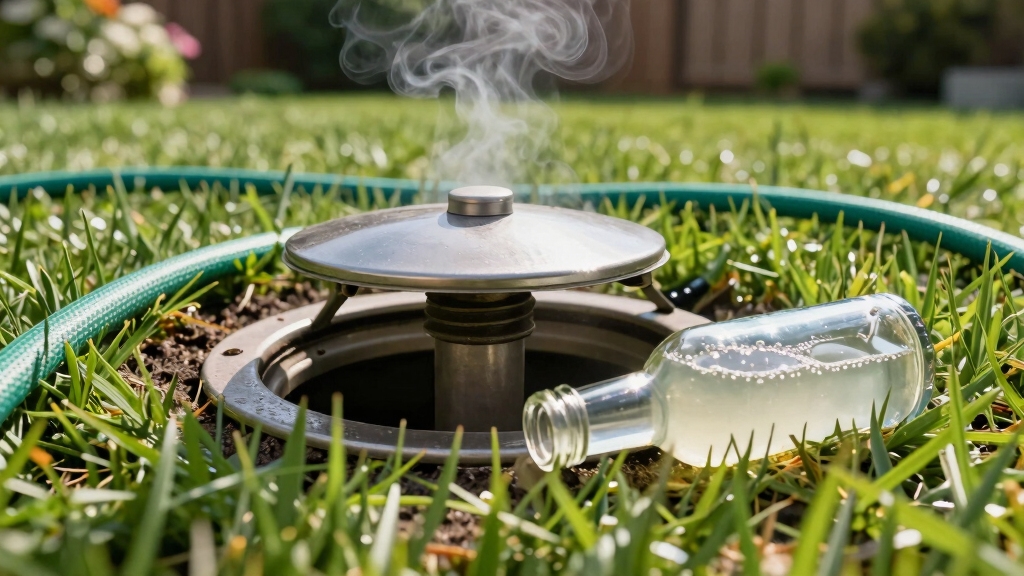
You can safely use vinegar in your septic system as long as you dilute it and avoid pouring large amounts at once.
Its mild acidity doesn’t harm the essential bacteria that break down waste, but excessive vinegar can disrupt pH balance and inhibit microbial activity.
When used properly, vinegar acts as a septic-friendly alternative to harsh chemicals. Understanding the right application and benefits helps you maintain a healthy system and prevent damage over time.
Key Takeaways
- Vinegar is generally safe for septic systems when used in moderate, diluted amounts.
- Mild acidity in vinegar does not harm essential bacteria responsible for waste breakdown.
- Excessive vinegar can disrupt pH balance and inhibit beneficial bacterial activity.
- Diluting vinegar with water and avoiding large quantities prevents septic system damage.
- Vinegar is a safer alternative to harsh chemicals that can kill septic bacteria.
Is Vinegar Safe for Your Septic System? When to Use It
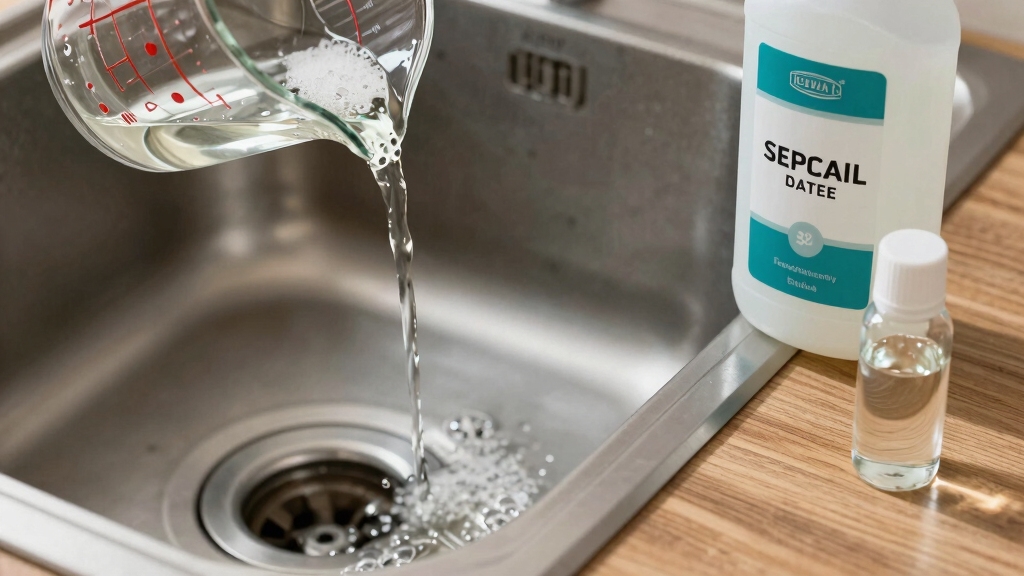
Although many commercial cleaners can damage your septic system, vinegar is generally safe to use when applied in moderation.
Vinegar is a safe, natural cleaner for your septic system when used moderately.
You’ll appreciate that vinegar is a natural product free from synthetic chemicals and toxic additives, reducing risks to your system’s balance.
Its mild acidity doesn’t harm the essential bacteria responsible for waste breakdown.
When you use vinegar sparingly, diluted and in moderate amounts, it serves as a septic-safe alternative to harsher cleaners.
By the time it reaches your septic tank, vinegar has usually diluted enough to pose no threat.
Avoid pouring large quantities at once to prevent potential pH disruptions.
Incorporating vinegar in your cleaning routine can maintain pipe function and cleanliness without compromising septic system health.
For ongoing system health, it is important to support microbial activity with septic tank treatments designed to maintain balance and efficiency.
What Vinegar Does to Your Septic System and Beneficial Bacteria?
Understanding how vinegar interacts with your septic system and its beneficial bacteria is essential for maintaining peak function.
Vinegar’s mild acetic acid concentration doesn’t kill the beneficial bacteria critical for breaking down waste in your septic tank. Unlike harsh chemicals like bleach or ammonia, vinegar supports the bacterial balance necessary for efficient decomposition.
When you use vinegar responsibly and in moderate amounts, it reaches the septic tank harmlessly, avoiding any significant pH disruption. This ensures the bacteria continue metabolizing organic matter effectively, preserving your system’s health.
Excessive vinegar can lower pH levels and inhibit bacterial activity, so moderation is key. Overall, vinegar serves as a septic-safe cleaner that maintains the microbial ecosystem vital for your septic system’s optimal performance. For ongoing septic health, products that introduce beneficial bacteria and enzymes can further support digestion and odor control.
How to Use Vinegar Properly for Septic-Safe Cleaning?
Maintaining the balance of beneficial bacteria in your septic system depends on how you apply vinegar during cleaning. Use moderate amounts; dilute vinegar with equal parts water before pouring it down drains.
Avoid dumping gallons at once, as excessive acidity can disrupt tank pH and bacterial activity. Pour vinegar sparingly, allowing it to sit for about 30 minutes, then flush with hot water to effectively remove soap scum, grease, and minor buildup without harming microbes.
Always avoid mixing vinegar directly with harsh chemicals, which can produce harmful reactions. If unsure about quantity or frequency, consult a septic professional to ensure you maintain ideal bacterial balance and system efficiency.
Proper vinegar use supports cleaning while preserving the natural decomposition processes vital to your septic system’s health. Combining vinegar with baking soda can enhance cleaning effectiveness while supporting bacterial health in the septic tank.
Using Vinegar and Baking Soda for Drain Care
When caring for your drains, combining vinegar and baking soda offers an effective, septic-safe cleaning method that tackles clogs and buildup without harming your system.
Start by pouring ½ cup baking soda down the drain, followed by 1 cup vinegar. The fizzing action loosens debris and dissolves grime.
Then, flush with hot water. This process maintains bacterial balance and avoids chemical damage. Regular use of septic-safe treatments supports waste decomposition and system health.
| Step | Quantity | Effect |
|---|---|---|
| Baking Soda | ½ cup | Scrubs and lifts buildup |
| Vinegar | 1 cup | Reacts with baking soda, dissolves grease |
| Wait Time | 30 minutes | Allows reaction to clear clogs |
| Hot Water Flush | 1–2 cups | Rinses loosened debris |
Use this weekly to keep drains clean and septic-friendly.
Why Vinegar Is Better Than Harsh Chemicals for Septic Systems?
Compared to harsh chemical cleaners, vinegar offers a septic-safe alternative that protects the beneficial bacteria essential for waste decomposition.
Unlike bleach or ammonia-based products, vinegar’s mild acidity doesn’t disrupt the microbial balance critical for breaking down waste.
Its low concentration of acetic acid is insufficient to kill these bacteria, preserving septic tank efficiency.
You can use vinegar in moderate, diluted amounts to clean drains and remove buildup without risking pH imbalance or bacterial harm.
Harsh chemicals, on the other hand, often kill or inhibit bacteria, leading to reduced decomposition and potential system failure.
Additionally, avoiding harsh chemicals helps prevent the introduction of harmful chemicals that can contaminate water supplies and damage health.
Frequently Asked Questions
Can Vinegar Damage Septic System Pipes Over Time?
Vinegar won’t damage your septic system pipes over time if you use it in moderation.
Its mild acidity is safe for most pipe materials and doesn’t corrode them like harsher chemicals.
Just avoid pouring large quantities frequently, as excessive acidity might affect pipe integrity.
Diluting vinegar with water before use protects your plumbing.
When used responsibly, vinegar effectively cleans without compromising your septic pipes’ durability or function.
Is Vinegar Safe for Septic Systems in Cold Climates?
Yes, vinegar is safe for septic systems in cold climates when used in moderation. Its mild acidity doesn’t harm beneficial bacteria essential for waste decomposition, even in lower temperatures.
Just avoid large quantities that could disrupt pH balance. Dilute vinegar and pour it sparingly to maintain bacterial activity.
Cold climate conditions don’t reduce its septic-safe properties, so you can rely on vinegar as an effective, non-toxic cleaning agent year-round.
How Often Can Vinegar Be Used Without Harming Septic Health?
Feel like turning your septic tank into a vinegar vat daily? Don’t.
You should use vinegar sparingly; about once a week is ideal.
Dilute it with water to avoid upsetting your tank’s pH balance and harming beneficial bacteria.
Pouring straight vinegar or using it too often risks acidifying the environment, which disrupts decomposition.
Stick to moderate, diluted doses weekly, and your septic system will thank you for the green, bacteria-friendly cleaning boost.
Can Vinegar Help With Septic System Odors?
Yes, vinegar can help with septic system odors by neutralizing unpleasant smells. Its mild acidity breaks down odor-causing residues without harming beneficial bacteria essential for waste decomposition.
To control odors, pour a diluted solution of one part vinegar to one part water into drains weekly. This method safely reduces foul smells and maintains your system’s balance, unlike harsh chemicals that disrupt bacterial activity and worsen odor problems over time.
Are There Types of Vinegar to Avoid for Septic Systems?
You don’t need to avoid any particular types of vinegar for your septic system. They all share similar acetic acid concentrations safe for bacteria.
However, steer clear of flavored or vinegar-based cleaners with synthetic additives or detergents, as these can disrupt microbial balance.
Stick to pure white or apple cider vinegar, diluted properly, to maintain system health. Using vinegar responsibly won’t flood your tank with acid, preserving ideal pH and bacterial activity.
Grow a Healthier Septic System with Smarter Choices
Think of your septic system as a delicate garden where beneficial bacteria are the essential plants. Using vinegar is like watering this garden with a gentle, natural solution. It cleans without harming the roots.
Harsh chemicals are like storms that wash away essential life. By choosing vinegar wisely and in moderation, you protect your system’s balance. This ensures it thrives efficiently and lasts longer.
Handle it smartly, and your septic garden will flourish.