Yes, you can damage pipes with a drain snake if you use excessive force, the wrong size, or handle it improperly, especially in older or corroded plumbing.
Snakes can scratch, crack, or stress pipes. Jerking them can cause kinks or jams. Choosing the right diameter and flexible type for your pipes is essential.
If you keep pushing through resistance or neglect pipe condition, you risk costly damage. Understanding these risks helps you protect your plumbing system effectively.
Key Takeaways
- Drain snakes can scratch or puncture pipes if used with excessive force or improper technique.
- Metal cables may cause cracks, kinks, or damage pipe joints, especially in older or corroded pipes.
- Using an oversized or overly aggressive snake increases the risk of pipe damage.
- Jerking or forcing the snake through clogs often results in stress and pipe wall damage.
- Professional assessment is recommended for aging pipes to avoid costly damage from snaking.
How Drain Snakes Damage Pipes?
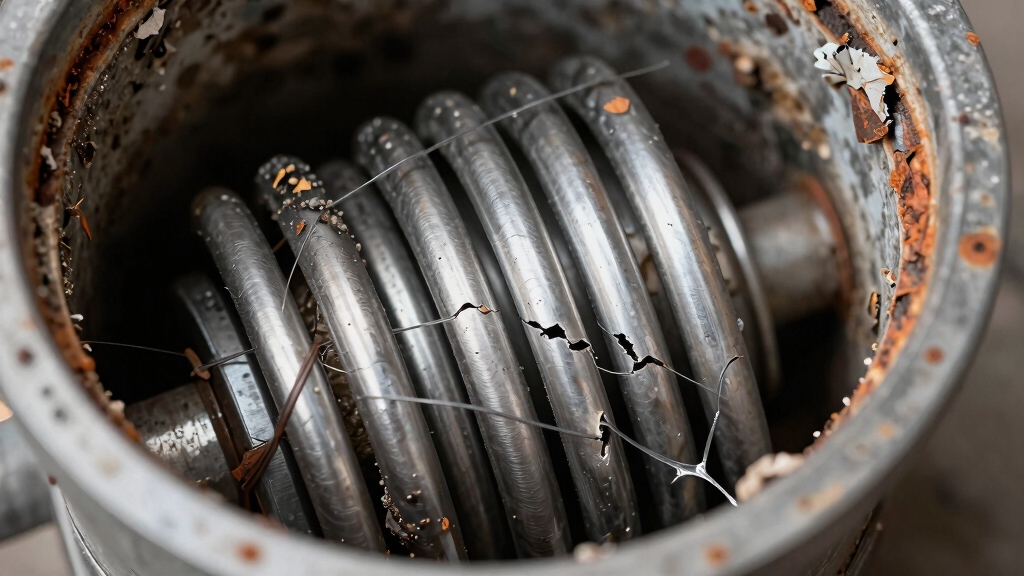
When you use a drain snake improperly or with excessive force, you risk damaging your pipes through scratches, cracks, or even punctures.
Applying too much pressure forces the metal cable against pipe walls, potentially scraping protective coatings and weakening structural integrity.
Forcing the snake through bends or stubborn clogs can stress pipe joints, causing fractures or leaks.
Additionally, jerking or pulling the snake too quickly may cause it to kink or jam, which can worsen blockages or create new damage.
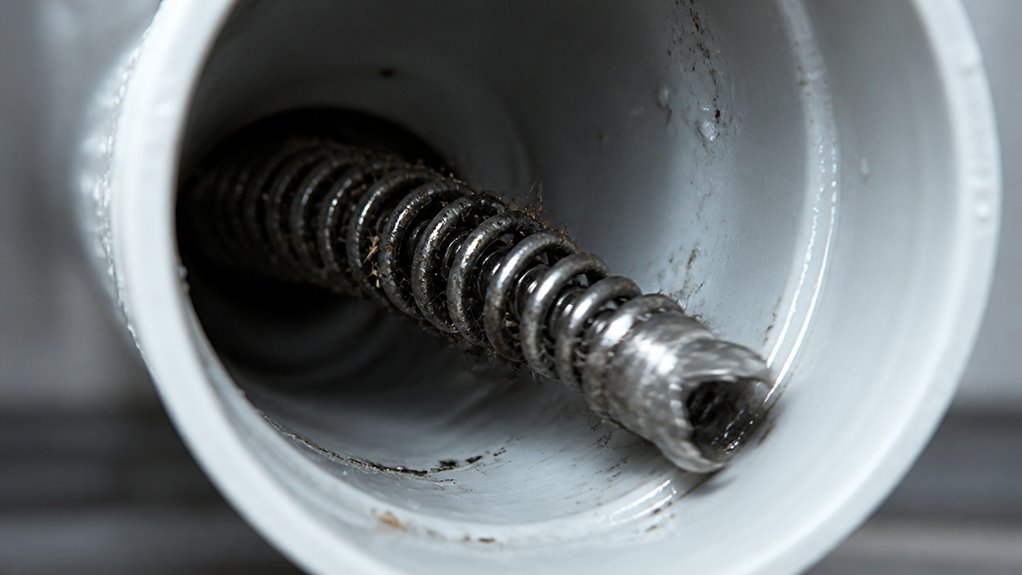
The rotating metal tip can scratch interior surfaces, especially if it loops back inside the pipe.
To prevent damage, gently guide the snake while rotating it clockwise, avoid forcing resistance, and select the appropriate size and type for the pipe.
Proper handling protects your plumbing and guarantees effective clog removal.
Choosing an auger with the right cable length and flexibility for your specific pipes helps minimize the risk of damage during use.
Vulnerabilities of Older and Corroded Pipes
Because older and corroded pipes have reduced structural strength, using a drain snake on them requires extra caution.
Corrosion thins pipe walls, making materials like galvanized steel, clay, and cast iron prone to cracking or failure under the rotating pressure of a snake.
When you apply excessive force or aggressive rotation, you risk punctures, fractures, or dislodging weakened joints.
Inspecting pipe condition before snaking is critical. If you notice rust, brittleness, or deformation, avoid DIY snaking.
For these vulnerable pipes, professional assessment is highly recommended to prevent costly damage.
Remember, improper use on fragile pipes may worsen blockages or cause leaks.
Prioritize gentle guidance and stop immediately if resistance increases. This protects your plumbing’s integrity and avoids expensive repairs.
Additionally, understanding how mechanical stresses contribute to pipe deterioration can help prevent further damage during drain snake use.
How to Choose the Right Drain Snake?
Selecting the right drain snake is essential to prevent damage and effectively clear blockages. First, match the snake size to your pipe diameter. Oversized snakes can scrape or loop inside smaller pipes, causing damage.
For residential drains, a ¼- to ⅜-inch diameter cable usually works best. Consider the pipe material and age; older or corroded pipes need gentler, flexible snakes to avoid cracks.
Choose a manual hand-crank snake for minor clogs and small lines. Heavier electric augers suit tougher blockages but require careful handling to avoid damage.
Also, select a snake with a proper length to reach the clog without excessive cable inside the pipe. Finally, make certain the snake’s tip matches the clog type. Use cutting blades for roots and coil tips for grease to clear blockages efficiently without harming pipes.
Always ensure the snake is specifically designed for toilets when working with toilet drains to protect the porcelain and avoid damage.
Common Snaking Mistakes That Damage Pipes
Choosing the right drain snake minimizes the risk of damage, but improper handling can quickly undo those precautions. If you force the snake through bends or clogs, you risk cracking or scratching pipes.
Jerking or pulling too quickly stresses both the pipe and the tool, increasing failure chances. Using an oversized or mismatched snake may cause loops that scrape pipe interiors or push debris deeper.
Finally, pushing the snake aggressively can jam the clog tighter, worsening the blockage.
Common snaking mistakes that damage pipes include:
- Forcing the snake against resistance instead of easing it in.
- Using the wrong size or type of snake for your drain.
- Jerking or pulling the snake abruptly.
- Ignoring pipe condition and forcing the tool through fragile sections.
Handle your snake carefully to protect your plumbing. Regular use of natural remedies can maintain pipe health and reduce the need for aggressive snaking.
When It’s Time to Call a Pro Instead?
If you encounter persistent resistance while snaking or notice signs of aging and corrosion in your pipes, it’s wise to call a professional plumber. Forcing the snake in these conditions risks cracks, leaks, or worsening the clog.
Persistent resistance or corroded pipes? Call a professional to avoid cracks, leaks, and worsening clogs.
Professionals assess pipe integrity, avoiding damage to fragile or corroded materials like old galvanized steel or clay. Repeated blockages can indicate deeper issues beyond snaking’s reach, such as pipe defects or severe buildup.
Experts use specialized tools like hydro jetting and inspection cameras that minimize risk and effectively clear stubborn clogs. Attempting complex snaking without expertise can escalate repair costs and cause injury.
When in doubt, prioritizing professional intervention preserves your plumbing system’s longevity and prevents costly damage from improper snake use. Regular maintenance and inspection can help identify potential issues before they require professional intervention.
Frequently Asked Questions
Can Chemical Drain Cleaners Damage Pipes More Than Drain Snakes?
Yes, chemical drain cleaners can damage pipes more than drain snakes if misused.
They contain harsh chemicals that can corrode metal pipes, degrade plastic, and harm seals over time. You risk weakening older or fragile plumbing systems with repeated use.
While drain snakes pose mechanical risks, using them carefully minimizes damage. Always weigh pipe material and condition before choosing.
Sometimes a snake’s physical method is safer than aggressive chemical exposure.
How Often Should Drain Snakes Be Cleaned After Use?
You should clean your drain snake immediately after each use to prevent debris buildup and rust.
Rinse it thoroughly with water, removing all grime and residue. Use a brush to scrub off stubborn material, then dry the snake completely to avoid corrosion.
Regular cleaning maintains tool performance, reduces pipe damage risk, and prolongs its lifespan. Don’t skip this step, especially if you use the snake frequently or on heavily clogged drains.
Are There Pipe Materials Immune to Damage From Drain Snakes?
No pipe material is completely immune to damage from drain snakes.
Even durable materials like PVC or copper can scratch or crack if you use excessive force or the wrong snake size.
However, newer, thicker pipes with smooth interiors tolerate snaking better than old, corroded, or brittle materials like galvanized steel or clay.
Always match the snake to your pipe type and handle it gently to minimize risk and avoid costly repairs.
Can Drain Snakes Be Used on Outdoor Sewer Lines Safely?
Yes, you can use drain snakes on outdoor sewer lines safely if you proceed cautiously.
Choose the right snake size and type for the pipe material and diameter.
Insert it slowly, avoid forcing through resistance, and rotate with controlled pressure to prevent damage.
Be extra careful with older or corroded pipes.
If you encounter persistent blockages or feel strong resistance, it’s best to call a professional to avoid costly damage or worsening the clog.
What Maintenance Extends the Lifespan of a Drain Snake Tool?
Oh sure, just toss your drain snake in a corner and expect it to last forever!
To actually extend its lifespan, you’ve got to clean it thoroughly after each use, removing debris and grease.
Lubricate the coil to prevent rust and keep it flexible.
Store it coiled neatly in a dry place, away from moisture.
Regular inspections for kinks or damage help you catch problems early before they worsen.
Use the Right Snake to Keep Pipes Protected
While you might worry that using a drain snake could damage your pipes, when used correctly, it’s a safe and effective tool.
Just be cautious with older or corroded pipes, as they’re more vulnerable.
Choosing the right snake and avoiding common mistakes will protect your plumbing.
If you’re unsure or facing persistent clogs, don’t hesitate to call a professional.
Proper use keeps your pipes intact and your drains flowing smoothly.