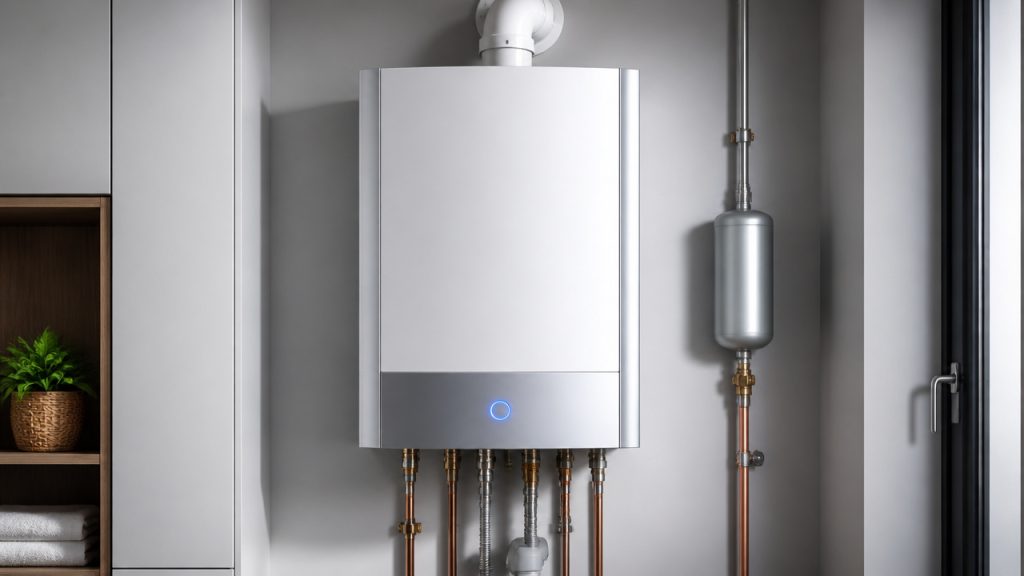
Cold showers or running out of hot water mid-cleanup can ruin any day. Bulky boilers hog space and often struggle with keeping temperature steady under high demand. The hassle of uneven heating or waiting for water to warm adds to daily frustrations.
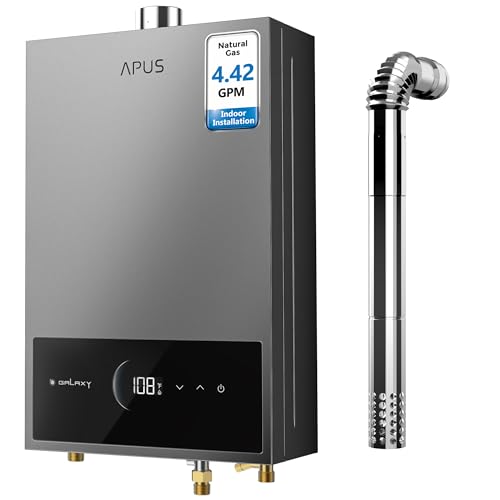
The APUS Natural Gas Tankless boiler delivers 95,000 BTU with tight temperature control for consistent warmth, even multiple taps run simultaneously. The VEVOR Electric model offers compact wall-mounted design and instant heating powered by an 8KW element with precise digital controls.
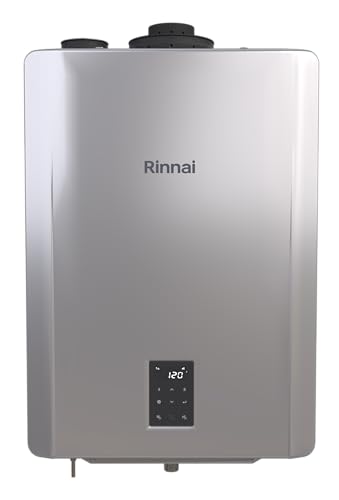
The Rinnai I-SERIES Plus takes a step further by integrating space heating with water heating in a single wall-mounted unit, optimizing both comfort and efficiency for larger homes.
| Image | Name | Editor's Rating | Price |
|---|---|---|---|
|
APUS Natural Gas Tankless Water Heater, 95,000 BTU, 4.42 GPM...
|
|
|

|
VEVOR Tankless Water Heater Electric, 8KW 240V Black Instant...
|
|
|
|
Rinnai IP150199C I-SERIES Plus 150k BTU Condensing Combi Hea...
|
|
|
|
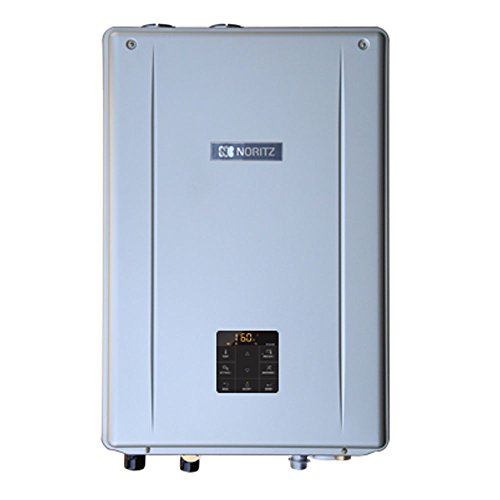
Noritz NRCB180DV-NG Indoor Direct Vent Combination Boiler (S...
|
|
Discover Efficient Solutions for the Best Home Boiler
Balancing energy efficiency and convenience is essential when choosing the best home boiler. Explore innovative models designed to deliver reliable heating and hot water without overwhelming your living space.
1. APUS High-Efficiency Natural Gas Tankless Water Heater with 95,000 BTU Output
- 𝐏𝐨𝐰𝐞𝐫𝐟𝐮𝐥 & 𝐇𝐢𝐠𝐡-𝐂𝐚𝐩𝐚𝐜𝐢𝐭𝐲: This...
- 𝐏𝐫𝐞𝐜𝐢𝐬𝐞 & 𝐒𝐭𝐞𝐚𝐝𝐲: With high-precision sensors and smart CPU...
- 𝐄𝐟𝐟𝐢𝐜𝐢𝐞𝐧𝐭 & 𝐃𝐮𝐫𝐚𝐛𝐥𝐞: Featuring oxygen-free copper...
Managing hot water demands without bulky storage is a challenge in many homes. This tankless heater packs a robust 95,000 BTU output that supports multiple simultaneous uses such as two showers and a sink without compromising warmth or flow.
Equipped with advanced sensors and a smart CPU, it holds water temperature within a narrow range of ±1°F. You can expect consistent comfort with no sudden cold or overly hot bursts, even when several faucets draw water at once.
Thanks to an oxygen-free copper heat exchanger and segmented combustion technology, this APUS model reaches near 98% thermal efficiency. This means significant energy savings compared to traditional tank systems, making it a more sustainable option for daily use.
Its compact design fits easily on walls and occupies minimal space while maintaining a quiet 36dB operation—much quieter than many common household devices. The intuitive touchscreen offers easy control over water temperature settings ranging from 95°F to 140°F.
The built-in freeze protection activates automatically when temperatures drop close to 41°F, avoiding possible damage during colder spells. This heater runs on standard 120V AC power, simplifying installation without complicated electrical upgrades.
Best for: Homeowners seeking a high-capacity, energy-conscious natural gas option for reliable hot water supply under heavy simultaneous use scenarios.
Pros:
- High flow rate supports multiple fixtures at once
- Precise temperature control within ±1°F for stable comfort
- Up to 98% thermal efficiency for energy savings
- Compact and quiet operation with easy touchscreen control
- Automatic freeze protection safeguards internal components
Cons:
- May need periodic professional servicing to maintain optimal performance
2. VEVOR 8KW Electric Instant Water Heater with Digital Touch Control and Safety Lock
- Energy Efficiency: You're choosing a greener solution for your hot water needs. Forget about...
- Instant Hot Water: The water heater is equipped with a high-performance cast aluminum heater, which...
- Tap to Control: Our electric water heaters are designed with LED displays and IMD touch screens that...
Saving space is critical in compact homes or busy commercial setups, and this compact device fits snugly on your wall without crowding your area. Powered by an 8KW heating element, it produces hot water instantly, sidestepping the typical delay and waste common with preheating systems.
Operate with precision through a sleek LCD touch screen, allowing you to adjust the temperature smoothly between 86°F and 140°F or beyond. Its smart thermostat and overheat protection make it a dependable choice for consistent, safe water heating.
Building trust into its design, VEVOR chose a cast aluminum heater that resists scale and corrosion while isolating water from electrical components to boost longevity and safety. This sturdy construction emphasizes both performance and durability.
Expect to reduce unnecessary water flow with this on-demand system that aligns perfectly with eco-friendly goals, minimizing waste each time hot water is needed. Installation requires a professional touch, including a 40A circuit breaker and 10AWG wiring to meet power demands.
Best for: Individuals needing a compact, efficient hot water solution for kitchens, bathrooms, and commercial spaces requiring reliable, instant heating.
Pros:
- Compact wall-mounted design saves space
- Precise temperature control via touchscreen
- Energy-saving on-demand water heating
- Durable cast aluminum heater resists corrosion
- Advanced safety features including thermostat and child lock
Cons:
- Maximum temperature may be limiting for some specialized applications
3. Rinnai I-SERIES Plus 150k BTU Wall-Mounted Condensing Combi Heating System
- Hot Water And Home Heating In One Appliance: The Rinnai tankless water heater combines hot water...
- High Energy Efficiency For Significant Savings: With a 96% AFUE-rating, the natural gas or propane...
- Advanced Technology For Constant Comfort: Featuring Smart Sense Gas Valve technology, this combi...

Combining two critical home functions—space heating and instant hot water—into a single unit changes how you manage household comfort. The Rinnai I-SERIES Plus delivers this via a compact, gas-powered combi system designed for indoor mounting. Its wall installation helps save space without sacrificing performance.
Equipped with a high-efficiency stainless steel heat exchanger rated at 96% AFUE, this system ensures that energy consumption is kept to a minimum, meaning your utility bills can notably shrink without compromising warmth. Control feels intuitive thanks to advanced tech features like the Smart Sense Gas Valve, which modulates energy use precisely to demand.
Integrating modern convenience, a Smart Connect Wi-Fi function and front panel display simplify management of temperature and hot water settings. Whether heating a multi-family dwelling or a commercial space, its ability to support common venting up to 8 units provides adaptability that typical single-function heaters can’t match.
Manufactured by Rinnai, a trusted brand, the model balances robust output of up to 199,000 BTUs with a slim 18.5 by 26.4 inch footprint, crafted to fit neatly on interior walls. Equipped for natural gas or propane supply, it offers versatility in fuel source and installation environments.
Best for: Homeowners or property managers requiring efficient, space-saving solutions that combine reliable heating with on-demand hot water control.
Pros:
- Dual-function unit providing both hot water and heating
- High energy efficiency with 96% AFUE rating
- Smart Sense adaptive gas technology for precise fuel management
- Wi-Fi enabled controls for convenience and customization
- Compact wall-mounted design suitable for tight spaces
Cons:
- Could require specialized installation given the advanced technology and venting needs
4. Noritz NRCB180DV-NG Indoor Direct Vent Combination Boiler with Built-In Pump for Efficient Heating
- Simultaneous domestic hot water and heating
- Superior temperature stability for domestic hot water
- Noritz accessory
Handling both your space heating and domestic hot water without compromise requires more than traditional setups. This Noritz unit steps in with the capacity to deliver up to 180,000 Btuh for water heating alongside 100,000 Btuh for heating your living space, creating a balanced, efficient system.
Equipped with a built-in pump and stainless steel construction, it maintains steady temperature output while resisting corrosion, vital for long-term performance. The modular design allows for easy wall-mounted installation and conversion between venting options to meet various indoor layouts.
For homeowners wary of uneven heat or fluctuating hot water supply, the clean burner mechanism ensures superior temperature stability and cleaner combustion, which also supports energy efficiency. With a domestic hot water flow rate of 9.8 gallons per minute, it responds smoothly to simultaneous demand for both heat and hot water.
Noritz provides an accessory-ready platform that can be tailored to your home’s specific requirements while adhering to safety and air quality standards thanks to its indoor direct vent design.
Best for: Homeowners seeking a reliable, space-saving solution that handles both heating and hot water provision seamlessly.
Pros:
- Dual-function system for heating and hot water
- Built-in pump simplifies integration and operation
- High capacity heating and flow rates support larger homes
- Stainless steel material enhances durability
- Direct vent design helps maintain indoor air quality
Cons:
- Weight of 95 pounds may require professional installation support
- Wall-mounted setup might need space consideration in compact areas
Key Specs Compared: Top Home Boiler Models for Efficient Heating
| Product Name | Power Source | Heat Output | Flow Rate / Capacity | Dimensions (W x H) |
|---|---|---|---|---|
| APUS Natural Gas Tankless | Natural Gas | 95,000 BTU | 4.42 GPM | 5.9″ x 20.55″ |
| VEVOR Electric Tankless | AC 240V | 8,000 W | Not Specified | 9.7″ x 14″ |
| Rinnai I-SERIES Plus Combi | Gas Powered | 199,000 BTU | Not Specified | 18.5″ x 26.4″ |
| Noritz NRCB180DV Combination | Gas Powered | 180,000 BTU | 9.8 GPM | Not Specified |
What Really Matters When Choosing the Best Home Boiler?
Selecting the best home boiler goes beyond just picking the highest heat output or the flashiest features. It’s about how well the boiler integrates with your home’s needs and delivers reliable, efficient warmth and hot water. Focusing on certain critical factors first can save you headaches and costly errors in the long run.
Fuel Source and Compatibility
The fuel source determines not only how your boiler operates but heavily influences your home’s heating efficiency and running costs. Boilers typically use natural gas, propane, electricity, or oil, each with distinct properties and availability issues. For instance, a natural gas boiler like the APUS offers high BTU heat production without bulky storage tanks, while electric boilers like the VEVOR excel in space-saving setups but have different power demands.
Natural gas boilers burn fuel to produce heat, typically with high combustion efficiency, whereas electric boilers convert electrical energy directly to heat via resistance elements. Compatibility with your home’s existing infrastructure also matters—installing a gas boiler requires a connection to a natural gas line or propane tank, whereas electric units need a suitable electrical circuit with adequate amperage.
Ignoring fuel compatibility can lead to inefficiencies or expensive retrofits. Using a boiler with the wrong fuel source might result in increased utility bills, inadequate heat generation, or even installation refusals due to local regulations.
Heat Output and Capacity
Heat output defines the amount of thermal energy a boiler can deliver, typically measured in BTUs (British Thermal Units) or kilowatts. This directly impacts how effectively your boiler can meet your household heating and hot water demands. For example, a unit like the Rinnai I-SERIES Plus offers up to 199,000 BTU, suitable for larger homes or combined heating and hot water needs, whereas smaller units like the APUS run at around 95,000 BTU for more modest requirements.
Technically, heat output reflects the maximum rate at which the boiler transfers heat to water circulating in your system. It depends on fuel combustion efficiency and the heat exchanger’s effectiveness. A boiler with insufficient output won’t maintain comfortable temperatures, especially during cold spells, because it can’t match heat loss from the home.
Failing to size your boiler correctly leads to frequent cycling or insufficient heating. Oversized boilers waste energy and strain components, while undersized ones leave rooms cold or result in inconsistent hot water supply.
Energy Efficiency Ratings
Efficiency ratings, such as AFUE (Annual Fuel Utilization Efficiency) percentages, indicate how well a boiler converts fuel into usable heat. Higher-efficiency boilers use advanced mechanisms like condensing heat exchangers to reclaim heat from exhaust gases, sometimes achieving AFUE values above 90%. The Rinnai model, for example, features a stainless steel heat exchanger rated at 96% AFUE, drastically reducing wasted fuel energy.
Energy efficiency hinges on internal components, combustion control technologies, and boiler design. Condensing boilers reclaim latent heat from flue gases by cooling them, requiring corrosion-resistant materials like stainless steel. This results in lower fuel consumption, reduced emissions, and cost savings on utility bills.
Choosing a boiler without prioritizing efficiency can result in unnecessarily high energy consumption and inflated heating costs. Over time, this inefficiency significantly increases household expenses and environmental impact.
Flow Rate and Hot Water Delivery
Flow rate measures how much hot water a boiler can supply at once, often in gallons per minute (GPM). This factor is especially critical if the same unit needs to serve multiple outlets simultaneously, like showers and faucets. The Noritz NRCB180DV provides up to 9.8 GPM, making it capable of handling extensive water heating demands, whereas the APUS offers around 4.42 GPM for smaller-scale requirements.
From a physics perspective, flow rate depends on the boiler’s heat exchanger size and temperature rise capability. The boiler must heat incoming cold water quickly enough to maintain steady temperature without pressure drops. Advanced systems use sensors and modulating controls for consistent water temperature even with fluctuating demand.
Ignoring flow rate can lead to unpleasant cold water surges or insufficient hot water for your household, causing discomfort and frustration. A boiler that cannot keep up with peak demands will fail when you need it most.
Installation Size and Space Considerations
Boiler dimensions and installation type influence where and how easily a unit fits into your home. Space constraints might favor compact, wall-mounted boilers like the Rinnai I-SERIES Plus (at 18.5″ x 26.4″) or smaller electric models like the VEVOR, which are especially useful in apartments or homes with limited utility room size.
Technically, size impacts heat exchanger surface area and internal component layout. Compact boilers achieve modern high efficiency by using advanced materials and configurations, but too small a unit might limit output or maintenance access. Conversely, large floor-standing units demand dedicated space and more complex venting arrangements.
Overlooking space requirements risks improper installation, obstructed airflow, or future maintenance difficulties. Tight fits increase installation costs and may restrict performance or lifespan due to poor ventilation or service access.
Control Features and Safety Mechanisms
Modern boilers often include digital controls, thermostats, and safety locks to enhance user convenience and system protection. For example, the VEVOR Electric Heaters feature a digital touch screen and overheat protection, allowing precise temperature adjustments and avoiding risks of scalding or electrical malfunctions.
These features rely on sensors, microprocessors, and fail-safes that manage temperature stability, prevent overheating, or automatically shut down the boiler if dangerous conditions arise. Smart CPUs maintain water temperature within tight margins, ensuring comfortable and consistent heating.
Neglecting controls and safety can lead to inefficient heating cycles, temperature swings, or potentially hazardous conditions like overheating or system failure, risking damage to property and user safety.
Durability and Maintenance Needs
The longevity of a boiler depends on material quality, build design, and ease of maintenance. Stainless steel components, found in boilers like the Noritz, resist corrosion and thermal stress better than cheaper metals. Built-in pumps and modular designs also facilitate smoother operation and servicing.
Durability ties directly to wear resistance and the ability to withstand repeated heating cycles. A well-built boiler prevents mineral buildup, corrosion, and component fatigue. Easy access panels and diagnostic systems simplify routine checks and repairs, extending the unit’s lifespan.
Ignoring durability means more frequent breakdowns, higher repair costs, and eventual boiler replacement. Poorly maintained boilers run inefficiently and could fail suddenly, often requiring emergency servicing at inconvenient times.
Frequently Asked Questions
What is the difference between a tankless boiler and a combi boiler?
A tankless boiler heats water on demand without storing it, saving space and energy by avoiding standby losses. A combi boiler combines heating and instant hot water in one unit, providing whole-home heating and hot water without a separate tank.
For example, the Rinnai I-SERIES Plus is a combi boiler delivering up to 199,000 BTU to handle both space heating and hot water. Tankless models like the APUS focus mainly on hot water output.
Consider your home’s hot water and heating demands carefully before choosing between these systems to optimize efficiency.
How important is BTU output when selecting the best home boiler?
BTU output indicates the boiler’s heating power, affecting how well it meets your home’s hot water and heating needs. Higher BTUs mean faster heat generation and capacity for larger homes or multiple fixtures.
The Noritz NRCB180DV offers a combined output of 180,000 BTU for water heating and 100,000 BTU for space heating, suitable for bigger households.
Avoid undersized boilers that struggle with demand, or oversized units that waste energy—right-sizing is key.
Can I use an electric boiler instead of a gas one for my home?
Electric boilers, like the VEVOR 8KW Instant Water Heater, offer compact design and quick heating without relying on gas lines, making them appropriate for homes without natural gas access.
However, electric boilers often have lower output, and operating costs depend heavily on local electricity rates, unlike gas units rated at tens of thousands of BTUs.
Evaluate your energy costs and electric capacity before installing an electric boiler, especially for larger heating needs.
What maintenance is typically required for a high-efficiency home boiler?
Keeping a high-efficiency boiler in good shape means regular checkups to maintain peak performance and prevent issues. This usually involves inspecting heat exchangers, cleaning components, and ensuring sensors work properly. Tankless boilers may need flushing to clear mineral deposits.
Some models, like condensing combi boilers with stainless steel heat exchangers, usually require less corrosion care but still benefit from an annual professional service. This helps catch minor problems early.
Always book a yearly service and watch for signs like unusual noises or uneven heat output to avoid costly repairs.
How does flow rate impact my choice of best home boiler?
Flow rate shows how much hot water a boiler pumps out every minute, a key factor for homes with multiple fixtures running at once. A higher flow rate keeps water temperature consistent, avoiding sudden chills during showers or dishwashing.
For example, the Noritz NRCB180DV offers a strong 9.8 GPM, capable of handling several taps or showers simultaneously without losing heat.
Check your household’s peak water use and pick a boiler with a matching flow rate to ensure smooth, reliable hot water delivery.
Finding the Right Boiler for Efficient Home Heating
Choosing the appropriate boiler transforms your home heating experience by improving comfort and reducing energy waste. Selecting a system that fits your household needs ensures reliable warmth and consistent hot water supply, ultimately lowering your utility expenses.
For larger residences requiring robust heating and hot water, high-capacity gas combi boilers with output reaching up to 199,000 BTU are excellent. In contrast, compact tankless or electric boilers better serve smaller homes or spaces where space efficiency and targeted heating are priorities.
Ensuring proper sizing and fuel compatibility is vital to avoid inefficiencies and uneven heat distribution. Prioritize boilers made with durable materials and plan for regular maintenance to maintain peak performance and extend the system’s longevity.
Last update on 2026-09-20 / Affiliate links / Images from Amazon Product Advertising API