Slapping cement board into place only to see it shift or crack days later is maddening. You need glue that holds tight but handles stress without crumbling. Wet spots or temperature swings just make things worse.
, standing firm through movement and moisture. SikaBond Polyurethane Adhesive grips cement board with permanent elasticity Kiesel Acrylic Polymer Thinset brings extended pot life and freeze stability for flexible, long-lasting tile underlayment bonding.
Tec Full Flex ThinSet Mortar adds robust adhesion that meets ANSI A118.4 and A118.11 standards, ideal for diverse surfaces needing strong, resilient bonds indoors or out.
| Image | Name | Editor's Rating | Price |
|---|---|---|---|
|
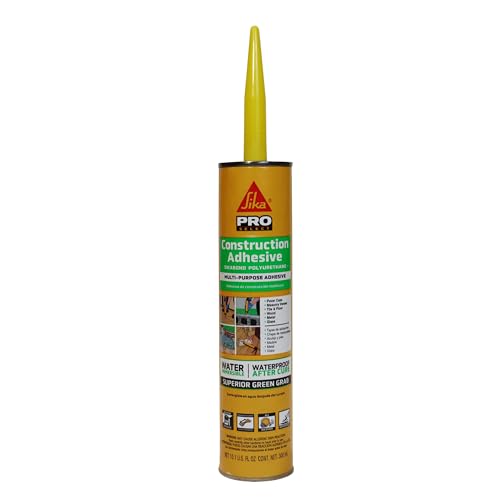
SikaBond Construction Adhesive, Gray, Advanced Polyurethane ...
|
|
|
|
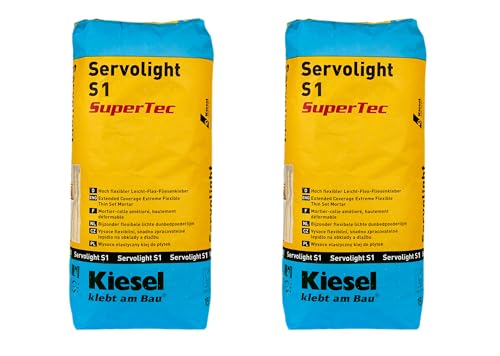
Kiesel Servolight Acrylic Polymer Modified Thinset Mortar 33...
|
|
|
|
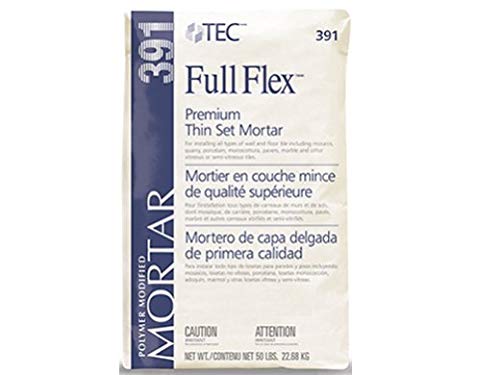
Tec Full Flex Premium ThinSet Mortar (WHITE)
|
|
Discover the Best Adhesives for Cement Board Installation
Ensuring a strong, durable bond for cement board requires adhesives that handle varied surfaces and conditions. Explore options designed for flexibility, strength, and long-lasting performance.
1. SIKA SikaBond Polyurethane Construction Adhesive, Waterproof Gray Cartridge 10 fl.oz
- STRONG AND SECURE BONDING — This Sika construction adhesive is ideal for a wide range of outdoor...
- NON-CORROSIVE AND FAST CURING — You'll be able to complete your project even faster with an...
- NON-CORROSIVE AND FAST CURING — You'll be able to complete your project even faster with an...

Securing materials in challenging outdoor environments demands an adhesive that stays reliable despite temperature swings. SikaBond Construction Adhesive grips firmly with permanent elasticity that adapts to movement without cracking, making it an essential tool for lasting installations.
The advanced polyurethane formula provides a fast curing experience, helping speed up projects with less downtime. Since it is non-corrosive, you avoid worry about damage to metal components or surfaces during application.
Ease of use is also prioritized with a cartridge design that fits standard caulk guns, ensuring precise and clean application. It’s not just about adhesion; it’s a waterproof compound, fully water immersible, resistant under damp and wet conditions.
Offering a tensile strength of 225 PSI, this Sika product delivers strong and secure bonding suitable for masonry like brick and other compatible outdoor materials. Its 10.1 fluid ounce volume balances manageability with enough material for typical construction tasks.
Sika USA engineered this adhesive to answer both amateur and professional demands, blending durability with user-friendly characteristics.
Best for: Builders and DIYers tackling outdoor projects needing resilient, waterproof bonding under variable weather.
Pros:
- Permanent elasticity prevents cracking despite seasonal changes
- Accelerated cure time speeds project completion
- Non-corrosive formula safe for diverse materials
- Waterproof and water immersible for wet conditions
- Compatible with brick and masonry applications
Cons:
- Cure time of 5 to 7 days might be lengthy for ultra-fast projects
- Volume may require multiple cartridges for larger-scale work
2. Kiesel Bauchemie Servolight Grey Acrylic Polymer Modified Mortar for Flexible Tile and Flooring Underlayment
- Kiesel Servolight has extended coverage; 30 % more than a standard 50 lbs bag is ideal for interior...
- The compound with superior non-sag characteristics, exceeding industry standards for installations...
- Kiesel Servolight acrylic polymer modified concrete mix can be used for underwater installations...
Handling large-format tile installations demands materials with exceptional non-sag performance and flexibility. Kiesel Bauchemie’s mortar mix delivers on these requirements, making it a dependable choice for challenging surfaces like concrete or plywood floors layered over membranes.
The mix stands out with its extended pot life of three hours, offering workable time without rushing. Its compatibility extends across numerous materials, including ceramic, porcelain, glass mosaics, and even brick tiles, ensuring versatility for different projects.
Built for durability, this acrylic polymer modified mortar boasts freeze-thaw stability and an ability to withstand underwater conditions, suitable for pools and wet environments. It also supports substrate leveling up to 3/4″ thickness, enhancing surface uniformity.
Kiesel Servolight’s formulation results in impressive bonding strength with waterproof qualities, making it a resilient adhesive solution under diverse environmental stresses. Its high viscosity ensures adherence without slump, a common issue with similar products.
Best for: Professionals and DIY installers needing a reliable, flexible tile mortar that performs well on various substrates and conditions.
Pros:
- Superior adhesion and non-sag properties ideal for vertical tile layouts
- Extended working time enhances project flexibility
- Waterproof and freeze-thaw stable for indoor and outdoor use
- Suitable for leveling and underwater applications
- Compatible with multiple tile and substrate types
Cons:
- Gray coloration might affect aesthetics in light-colored grout applications
- Higher viscosity may require more effort during mixing and spreading
3. Tec Full Flex Premium White ThinSet Mortar for Robust Bonding on Multiple Surfaces
- 50LB WHITE Polymer-Modified, general-purpose mortar
- Created for installation on substrates of Cementitious, Plywood, Existing Tile, Drywall, Gypsum...
- ANSI Specifications A118.4 & A118.11
Applying a strong, versatile mortar that adapts to various substrates can transform your installation process. Tec Full Flex Premium ThinSet Mortar stands out with its polymer-modified formula, perfect for bonding cement-based surfaces as well as plywood, drywall, and vinyl flooring. You get mortar that doesn’t merely stick but forms a resilient, lasting hold.
Trusted for interior and exterior projects, this mortar meets ANSI A118.4 and A118.11 specifications, ensuring dependable performance even in challenging conditions like intermittent wet areas and submerged water. The white tint helps maintain aesthetic clarity under finished tile or flooring, making it ideal for subtle or high-visibility zones.
Tec Incorporated engineered this product to offer flexibility without sacrificing strength. Its capability to bond over waterproof membranes and uncoupling layers opens doors for varied installation scenarios. You will notice improved workability during application, decreasing rework time and enhancing tile flatness.
The 50-pound bag format suits both professional job sites and ambitious DIYers, ensuring a reliable mortar that supports floors and walls robustly without cracking. Such versatility makes it a solid choice for anyone wanting to secure surfaces with confidence.
Best for: Builders and renovators requiring a durable, multi-surface adhesive mortar that handles moisture exposure without compromising integrity.
Pros:
- Polymer-modified for enhanced bonding strength and flexibility
- Complies with rigorous ANSI standards for quality assurance
- Suitable for wet environments including submerged water areas
- Compatible with a range of substrates including plywood and vinyl
- White color aids in clean, precise tile placement
Cons:
- Heavy 50LB packaging might be cumbersome for small or delicate projects
- White coloration may show through translucent or very thin tile installations for some users
Quick Guide: Top Adhesive for Cement Board Feature Analysis
| Product Name | Material Type | Water Resistance | Application Form | Key Feature |
|---|---|---|---|---|
| SikaBond Polyurethane Adhesive | Polyurethane | Waterproof | Liquid, Paste | 225 PSI Tensile Strength |
| Kiesel Acrylic Polymer Thinset | Acrylic Polymer | Waterproof | Paste, Powder | Extended pot life, Freeze stable |
| Tec Full Flex ThinSet Mortar | Polymer-Modified Mortar | Suitable for intermittent wet, submerged | Powder (bag) | ANSI A118.4 & A118.11 standards |
Choosing the Best Adhesive for Cement Board: What Really Matters?

Picking the right adhesive for cement board isn’t just about sticking materials together. It’s about resilience, compatibility, and the conditions your project will face daily. Here’s the breakdown of what makes an adhesive stand out in this tough category.
Bond Strength: Holding It Down Without Letting Go
Bond strength measures how well an adhesive secures cement board under stress. It’s the difference between a surface that stays put and one prone to failure under weight, vibration, or expansion. Strong adhesion prevents movement that could crack tiles or drywall finishes laid over the board.
The key is the adhesive’s molecular grip on both the cement surface and the substrate. For example, polyurethane-based adhesives like SikaBond offer tensile strengths around 225 PSI, which handles heavy loads and reacts elastically to movement. A weaker bond risks debonding especially in high-traffic or flexible applications.
Ignoring bond strength leads to costly rework. Boards can shift, tiles ignite cracks, or entire walls bow under pressure. That’s why adhesives tested to standards like ANSI A118.4 and A118.11 (seen in Tec Full Flex Mortar) deliver lasting peace of mind on both interior and exterior jobs.
Water Resistance: Weathering Moisture Without Losing Grip
Water resistance is critical when cement board goes outdoors, into bathrooms, or wet areas. Adhesives that fail moisture tests often degrade, soften, or lose adhesion when exposed to water over time. Waterproof adhesives maintain integrity to prevent mold, mildew, and substrate damage.
Products like SikaBond and Kiesel’s acrylic polymer-modified mortar boast waterproof qualities, allowing them to withstand direct water exposure. Kiesel additionally boasts freeze stability, meaning it won’t break down in cold temperatures. Tec’s polymer-modified thinset tolerates intermittent wet conditions but may not be ideal for submerged use.
Skipping water resistance sets you up for failure in damp environments. Adhesive breakdown leads to loosening boards, water infiltration beneath tiles, and costly repairs that disrupt your project’s longevity and aesthetics.
Application Method: How Ease and Accuracy Influence Success
Application method affects installation speed, mess, and bond consistency. Cement board adhesives come in various forms like cartridges, powders, and pastes. Choosing the right form depends on your tools, environment, and skill level.
SikaBond is a convenient liquid paste in a cartridge, ideal for quick gun application and precise bead placement. Kiesel’s mortar arrives as a powder mixed into a grout-like paste, good for troweling on floors or large surfaces. Tec Full Flex’s dry powder requires mixing but can cover large areas economically with long working times.
Poor choice here can mean wasted material, uneven coverage, and weak bonds. For example, too thin a paste might slump on vertical surfaces; dry powder mixes can become unworkable if timing or water ratios are off. Correct application means secure, uniform adhesion with less error.
Curing Time: Faster Fixes or Patient Setups?
Curing time defines how quickly the adhesive hardens and gains strength after application. A faster cure can speed project completion, while a longer window offers flexibility to adjust placement and correct mistakes.
Polyurethane adhesives like SikaBond cure quickly through moisture cross-linking, sealing bonds faster and reducing downtime. Kiesel’s mortar provides an extended pot life of up to 3 hours, allowing professional installers to work deliberately without rushing. Powder-thinsets often require even longer cure times before heavy use.
Neglecting proper curing means chasing project delays or risking weak bonds if loading happens prematurely. Choosing an adhesive that matches your timeline prevents installation headaches and ensures full strength on schedule.
Compatibility with Substrates: Sticking to the Right Surfaces
Compatibility is about how well an adhesive interacts with cement board and the various substrates beneath or adjacent to it, like plywood, drywall, or concrete. Adhesives must chemically and physically bond to multiple materials without causing corrosion or delamination.
Kiesel’s acrylic mortar is known for bridging surfaces such as concrete, plywood, and membrane layers due to its polymer modification, which adds flexibility and grip. SikaBond being non-corrosive safeguards metal components from damage. Tec Full Flex stands out by meeting rigorous bonding standards for multiple surface types.
Forgetting substrate compatibility risks weak points where adhesives might not fully adhere, leading to delamination and structural failure. The right match maintains structural cohesion across your entire build.
Flexibility and Movement Adaptation: Preventing Cracks and Failures
Flexibility in an adhesive is its capacity to stretch and compress without breaking apart. Cement boards and their underlying surfaces naturally move due to temperature changes, settling, or vibrations. Without this trait, the bond risks failing as materials shift.
Adhesives like polyurethane-based SikaBond provide lasting elasticity that accommodates these movements smoothly. Similarly, polymer-modified mortars from Kiesel create flexible bonds that absorb substrate shifts, preventing tile cracks. These adhesives combine chemical resilience and physical pliability to protect your installation.
Ignoring flexibility results in stiff, brittle joints that crack or separate when stress occurs. This can cause tiles to chip or cement boards to pop loose, leading to costly repairs. Choosing a flexible adhesive ensures a durable, crack-resistant finish that stands up over time.
Durability Against Environmental Factors: Lasting Strength Over Time
Durability under environmental burdens such as UV exposure, temperature fluctuations, and chemical contact decides how long your adhesive holds strong. Cement board installations outdoors or in harsh conditions demand adhesives that won’t fail prematurely.
SikaBond’s polyurethane base resists UV damage and remains stable from freezing to boiling temperatures. Kiesel’s freeze stability and extended pot life improve resilience during cold installations. Tec Full Flex meets ANSI standards indicating resistance to water immersion and common building chemicals.
Ignoring durability can lead to cracking, shrinking, or softening of bonds, especially outdoors. Durable adhesives stretch project life cycles and reduce maintenance or replacement frequency, saving time and cash in the long run.
Frequently Asked Questions
What is the best adhesive type for cement board installation?
Polyurethane, acrylic polymer, and polymer-modified mortars are top adhesive types suited for bonding cement boards. Polyurethane adhesives like SikaBond offer flexibility and waterproofing, ideal for outdoor projects with movement. Acrylic polymer adhesives bring extended pot life and freeze resistance, useful in variable conditions. Polymer-modified mortars provide a strong, durable bond meeting industry standards, suited for tiled surfaces.
Acrylic polymer adhesives stand out when long working time with good flexibility is required, especially for uneven floors. For demanding exterior conditions, polyurethane’s elasticity prevents cracking.
Choose the adhesive type based on your project’s environmental exposure and substrate compatibility to ensure lasting performance.
Can I use construction adhesive instead of mortar for cement boards?
Construction adhesives like SikaBond can secure cement boards effectively, especially when flexibility and waterproofing are needed. Unlike mortar, adhesives can adapt better to movements, lowering the chance of cracks or detachment.
Mortars serve well under tile and flooring installations, providing a rigid, robust bond. However, where vibration or expansion occurs, polyurethane adhesive maintains integrity longer than rigid mortars.
For best results, confirm the adhesive’s compatibility with cement board and the surrounding materials before substituting mortar with adhesive.
What factors affect adhesive choice for cement board on outdoor surfaces?
Water resistance, temperature fluctuation tolerance, and substrate movement are critical when selecting adhesives for outdoor cement board installation. Polyurethane adhesives with waterproof formulas withstand moisture and adapt to expansion/contraction better than traditional mortars.
Additionally, products like Kiesel’s acrylic polymer mortar offer freeze stability, important in cold climates. Understanding these factors helps avoid premature failures.
Prioritize adhesives with elasticity and durability under environmental stress for outdoor applications to maintain a secure bond over time.
How important is pot life for adhesive during installation?
Pot life defines how long an adhesive remains workable after mixing or opening. Kiesel Bauchemie’s Servolight offers an extended pot life of about three hours, allowing installers adequate time to spread and position cement boards without rushing. This ensures better handling and flexibility during the installation process.
This characteristic matters when handling large tiles or multiple boards, reducing waste and errors from premature curing. Some polyurethane adhesives cure faster, speeding up project timelines but requiring quicker work to avoid bonding issues.
Match adhesive pot life to your installation speed and project size to optimize workflow and bonding quality, ensuring a durable and precise finish.
Are polymer-modified mortars suitable for bonding cement board in wet areas?
Polymer-modified mortars like Tec Full Flex meet ANSI A118.4 and A118.11 standards, meaning they maintain strong adhesion even in intermittently wet or submerged conditions. This ensures reliable performance in kitchens, bathrooms, and exterior tiled surfaces.
The polymer modification enhances flexibility and bond strength compared to traditional mortar, reducing the risk of delamination when exposed to moisture.
Ensure proper mixing and preparation of the mortar to achieve the best waterproof bond with cement board in wet environments.
Enhancing Cement Board Durability with Optimal Adhesives
The right adhesive choice transforms cement board installations by ensuring a reliable, moisture-resistant bond that combats cracking and lifting. Selecting an adhesive tailored to your project’s demands results in lasting stability and improved overall performance, making a significant difference in durability and maintenance.
Polyurethane adhesives work best for outdoor or damp environments due to their flexibility, while acrylic polymer mortars are suited for jobs needing extended work time and freeze resistance. For those needing versatility across substrates, polymer-modified ThinSet represents a practical and efficient solution.
Evaluate the job conditions thoroughly and ensure all surfaces are clean and dry before application. Take care to apply adhesives evenly to prevent weak spots or compromised bonds, which could reduce the project’s longevity and effectiveness.
Last update on 2026-09-01 / Affiliate links / Images from Amazon Product Advertising API