
To keep your well from freezing, maintain ambient temperatures above 55°F by sealing air leaks around wiring, vents, and pipes with weather-resistant materials.
Insulate exposed pipes and well components, and use thermostatically controlled heat tape for added protection.
Make certain a small, continuous water flow during cold spells to prevent stagnation. Monitor temperatures and act early as freezing conditions approach.
Implementing these measures protects your system efficiently. You can explore advanced steps and tools to optimize freeze prevention further.
Key Takeaways
- Maintain ambient temperature above 55°F (12°C) around the well and seal air leaks near wiring and vents to retain heat.
- Insulate exposed pipes and well components using approved materials combined with heat tape or thermostatically controlled cables.
- Keep a small, continuous water flow during cold spells to prevent water stagnation and pipe freezing.
- Monitor local weather forecasts and wellhead conditions closely, taking early action as temperatures approach freezing.
- Use weather-resistant sealants and expanding foam to close gaps, maintaining insulation effectiveness and preventing cold air infiltration.
Understand Why Wells Freeze and When to Take Action

Although freezing conditions vary by region, you need to understand that wells freeze primarily due to prolonged exposure to subfreezing temperatures combined with insufficient insulation or water flow.
Wells freeze mainly from extended cold and inadequate insulation or water movement.
When water remains stagnant or insulation fails, ice forms inside pipes or well components, causing blockages or damage.
You should monitor local weather forecasts closely during cold spells and inspect vulnerable areas like unheated spaces.
Take action as temperatures approach freezing, especially if flow slows or insulation shows gaps.
Early intervention prevents costly repairs and production interruptions.
You must prioritize maintaining consistent water movement and ensuring thermal protection before extreme cold sets in.
Regular inspections for casing damage and leaks can help detect vulnerabilities that increase freeze risk.
Seal Air Leaks Around Wells to Prevent Freezing
Alright, let’s talk about sealing those pesky air leaks around your wells. You really want to check around wiring, vents, and pipes.
Cold air can sneak in through those gaps and cause freezing, which is definitely something we want to avoid!
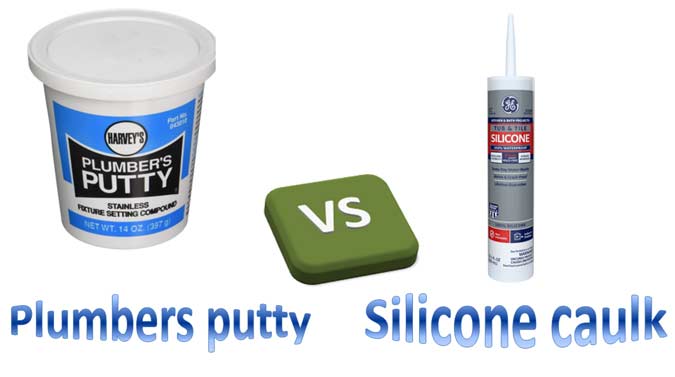
So, grab some caulk or insulation that’s approved for exterior use—it’s super effective for sealing those openings.
And don’t forget to keep an eye on those seals throughout the winter. Regular inspections will help ensure everything stays intact and warm.
Controlling moisture with proper vent sealing also helps maintain insulation effectiveness and prevents freeze-related damage.
Stay cozy out there!
Identify Common Air Leaks
When working to prevent well freezing, sealing common air leaks around the well structure plays a critical role. You need to identify where cold air infiltrates and causes temperature drops that risk freezing.
Focus on these typical leak points:
- Gaps around electrical wiring penetrating the well casing
- Openings near ventilation ducts or vents that allow airflow
- Cracks or separations where pipes enter or exit the well enclosure
- Spaces around access panel seams and doors
- Small holes caused by rodents or material degradation
Additionally, maintaining the well and pump above 40 degrees Fahrenheit helps prevent freezing risks.
Effective Sealing Materials
Frequently, selecting the right sealing materials is essential to effectively block air leaks around wells and prevent freezing.
You should use high-quality, weather-resistant caulks or sealants designed for exterior applications, such as silicone or polyurethane-based products.
These materials offer excellent adhesion and flexibility, enduring temperature fluctuations without cracking.
For larger gaps, apply expanding foam insulation, which seals irregular spaces and provides thermal resistance.
When sealing around wiring or pipes, use fire-resistant sealants that comply with local codes to guarantee safety.
Always clean surfaces thoroughly before application to maximize bonding.
Avoid materials that degrade under UV exposure or moisture.
Properly applied sealing materials reduce cold air infiltration, maintaining warmer internal temperatures and protecting well components from freeze damage effectively.
Additionally, using heat tape designed for water pipes with built-in thermostats can further safeguard against freezing by providing consistent warmth.
Maintenance Tips For Seals
Regularly inspecting and maintaining seals around wells guarantees air leaks remain effectively blocked. This prevents cold drafts that lead to freezing.
You should focus on identifying gaps where wiring, pipes, and vents pass through well casings. Use appropriate caulk or insulation materials to seal these openings tightly.
Follow manufacturer guidelines for application to guarantee durability. Periodically check seals for cracks or deterioration, especially before winter.
Key maintenance steps include:
- Inspect all penetration points for gaps or wear
- Apply weather-resistant caulk or foam insulation
- Remove old, degraded sealant and replace promptly
- Assure seals accommodate thermal expansion without cracking
- Verify seals remain intact after extreme weather events
Consistent maintenance of well seals reduces freeze risk by maintaining a controlled, draft-free environment around critical components. Additionally, selecting materials with weatherproof and burst-proof features can enhance the longevity and effectiveness of your sealing efforts.
Insulate Pipes and Well Components Properly
Although insulating pipes and well components requires careful attention to detail, doing so effectively prevents freezing and costly damage during cold weather.
Begin by targeting exposed pipes in crawl spaces, attics, and unheated areas with approved pipe insulation materials. Use heat tape or thermostatically-controlled cables on vulnerable sections, strictly following manufacturer instructions for installation and operation.
Start with insulating exposed pipes and use heat tape on vulnerable areas, following all manufacturer guidelines.
Seal all air leaks around wiring, vents, and pipes with caulk or insulation to reduce cold air infiltration. Disconnect and drain outdoor hoses, valves, and faucets before freezing conditions.
For external well components, apply weather-resistant insulation products designed for outdoor use. Regularly inspect insulation integrity and replace deteriorated materials promptly.
Additionally, using a discharge line cover can protect external components from extreme temperatures and prevent damage during cold weather.
Maintain Consistent Indoor Temperatures Near Wells
Maintaining consistent indoor temperatures near wells is critical to preventing pipe freezing and system damage during cold spells. You should keep the ambient temperature around the well above 55°F (12°C) to guarantee pipes don’t freeze.
Avoid drastic temperature fluctuations by using reliable thermostats and regularly checking their batteries. Seal all air leaks near the well area, including gaps around wiring and vents, to maintain heat retention.
Proper ventilation helps balance moisture and temperature, mitigating freeze risk. Finally, consider installing supplemental heat sources if natural indoor warmth is insufficient.
- Maintain thermostat settings consistently at or above 55°F (12°C).
- Seal air leaks around pipes, vents, and wiring with caulk or insulation.
- Check and replace thermostat batteries regularly.
- Guarantee adequate ventilation without causing drafts.
- Use space heaters strategically to stabilize temperature near the well.
Additionally, turning off the well pump during extended absences can help prevent system damage caused by freezing and reduce energy consumption.
Use Heat Tape and Thermostats to Protect Well Pipes
Apply heat tape or thermostatically-controlled cables directly to well pipes to prevent freezing in vulnerable areas.
Select products approved by independent testing organizations, ensuring suitability for interior or exterior use.
Before installation, clean pipe surfaces to maximize heat tape adhesion and follow manufacturer instructions precisely.
Wrap the tape evenly along exposed pipe sections, avoiding overlaps that can cause overheating.
Connect the heat tape to a reliable power source controlled by a thermostat designed to activate below freezing temperatures, typically around 40°F (4°C).
This automation conserves energy by supplying heat only when needed.
Regularly inspect the heat tape for damage or wear, replacing components promptly to maintain protection.
Proper installation and maintenance of heat tape systems effectively reduce freeze risk without excessive energy consumption.
Additionally, combining heat tape with proper pipe insulation enhances freeze protection and energy efficiency.
Keep Water Moving to Stop Pipes From Freezing
To prevent your pipes from freezing, keep water flowing steadily during cold spells. Even a small, continuous flow helps maintain temperature above freezing by preventing stagnation, especially in vulnerable sections near exterior walls.
Focus on faucets connected to these areas to maximize effectiveness.
Consider these practical steps:
- Drip warm water from indoor faucets adjacent to outside walls.
- Maintain a consistent, low flow overnight to sustain pipe warmth.
- Use trickle flow rather than full streams to conserve water.
- Avoid completely shutting off indoor valves controlling outdoor lines.
- Monitor flow regularly to guarantee uninterrupted circulation.
Implementing these measures minimizes freeze risk by leveraging water’s thermal movement. This effectively reduces pressure buildup and pipe damage during extreme cold. When using electrical devices like pumps in these setups, ensure to use heavy-duty extension cords to maintain safety and performance.
How to Safely Thaw Frozen Well Pipes?
Start thawing frozen well pipes by using safe, controlled heat sources such as electric heating pads, hair dryers, or space heaters designed for pipe warming.
Avoid open flames or high-intensity heat that can damage pipes or cause fire hazards.
Apply heat evenly along the pipe’s length, starting from the faucet or accessible point and moving toward the frozen section.
Wrap towels soaked in hot water around pipes if electrical devices aren’t available, changing towels frequently to maintain temperature.
Monitor the pipe temperature to prevent overheating.
Once water flow resumes, check all faucets for additional frozen spots.
Maintain ventilation and keep electrical devices away from water to reduce shock risk.
Use manufacturer guidelines for heat tape or cable installation if reapplying protection after thawing.
It is important to check pump and electrical system integrity after thawing to ensure the well system functions safely and properly.
Install Automated Valves for Freeze Protection
Although manual methods can help prevent pipe freezing, installing automated valves offers a reliable, hands-off solution to protect your well system.
Automated valves provide a dependable, maintenance-free way to safeguard your well system from freezing damage.
These temperature-sensitive valves activate when temperatures approach freezing, automatically bleeding or draining water to prevent ice buildup.
You’ll install them at water line termination points for maximum effect.
Automated valves reduce heating costs compared to electric tracing and minimize manual intervention.
Key features include:
- Activation around 35°F to start draining
- Automatic closure near 40°F to conserve water
- Installation at vulnerable endpoints
- Prevention of pipe bursts without constant monitoring
- Compatibility with existing plumbing systems
Use Advanced Monitoring to Predict Freeze Risks
When you integrate advanced monitoring systems, you gain the ability to predict freeze risks with around 70% accuracy by analyzing real-time wellhead temperatures, pressures, and flow rates.
These systems process vast datasets, over a terabyte from thousands of wells, to identify patterns indicating imminent freeze conditions. You can prioritize interventions based on risk levels, reducing emergency repairs and operational downtime.
Additionally, predictive models help optimize plunger pump timing, improving production efficiency by 15-20%. Implementing these tools aligns with NERC EOP-012 standards for extreme cold operations, ensuring compliance and safety.
Frequently Asked Questions
What Types of Insulation Materials Are Best for Extreme Cold Well Environments?
You’ll want closed-cell foam pipe insulation or high-density polyethylene sleeves for extreme cold well environments. These materials resist moisture and provide superior thermal protection.
Combining them with reflective insulation wraps can enhance heat retention. For exposed pipes, use heat tape approved by independent testing organizations, installed per manufacturer instructions.
Don’t forget to seal air leaks with caulk or foam. This layered approach guarantees prime insulation and reduces freeze risk effectively.
How Often Should Well Freeze Protection Equipment Be Professionally Inspected?
You should have well freeze protection equipment professionally inspected at least once annually before the cold season begins. This guarantees heat tape, thermostatically-controlled cables, and automated valves function correctly.
If you experience severe winters or frequent freeze events, increase inspections to twice yearly. Regular professional checks help prevent failures, optimize system performance, and reduce costly downtime.
Don’t forget to follow manufacturer guidelines and local regulations for inspection frequency.
Can Solar Power Be Used to Operate Freeze Prevention Systems for Wells?
Can you rely on solar power to run freeze prevention systems for wells? Absolutely, you can.
Solar panels can efficiently power heat tape, thermostatically-controlled cables, and automated valves, especially in remote locations without grid access.
Just make certain your solar setup includes adequate battery storage for continuous operation during cloudy days or nights.
What Are Common Signs That a Well Is About to Freeze?
You’ll notice reduced water flow and unusual pressure drops when a well is about to freeze.
Pipes may feel unusually cold or brittle, and you might detect frost or ice buildup near the wellhead or exposed piping.
Listen for intermittent water flow noises or gurgling sounds, indicating partial freezing.
Early detection lets you act quickly to prevent full freezing, avoiding costly damage and production delays.
How Do Freeze Prevention Measures Affect Overall Well Water Quality?
Freeze prevention measures, like insulating pipes and using heat tape, protect your well but can paradoxically impact water quality if not managed properly.
While maintaining temperature prevents freezing, excessive heat or stagnant warm water might promote bacterial growth.
You’ve got to balance protection with ventilation and regular flushing to avoid contamination.
Proper sealing and automated valves help maintain water integrity, ensuring your well stays both functional and safe throughout cold conditions.
Smart Steps to Keep Your Well Running All Winter
Think of your well as a lifeline beneath winter’s icy grip. By sealing leaks, insulating pipes, and using heat tape, you’re wrapping it in a protective shield against the cold.
Keeping water flowing is like a pulse that prevents freeze damage. With automated valves and monitoring, you create a vigilant guardian, ready to act.
These measures guarantee your well stays unfrozen, an unbroken conduit of essential water, even when frost tries to freeze its flow.