
Your water heater makes noise because sediment buildup causes popping or rumbling as steam bubbles burst beneath deposits.
Pressure fluctuations and trapped air create banging or hissing sounds, while partially closed valves produce high-pitched whistles.
Loose heating elements vibrate, causing humming, and leaks or condensation lead to sizzling. These issues stress components and reduce efficiency.
Tightening parts, adjusting pressure, and flushing sediment can quickly fix noise problems. Understanding these causes helps you maintain a quieter, efficient heater.
Key Takeaways
- Sediment buildup causes popping, rumbling, or thumping noises as steam bubbles form and burst beneath tank sediment.
- Pressure issues create banging or hissing sounds due to trapped air pockets and fluctuating water flow.
- Partially closed or corroded valves cause high-pitched whistling by restricting water flow through narrow openings.
- Loose electric heating elements vibrate against the tank, producing a humming noise.
- Leaks or condensation generate sizzling or crackling sounds, often near valves or due to moisture buildup.
Common Causes of Water Heater Noises
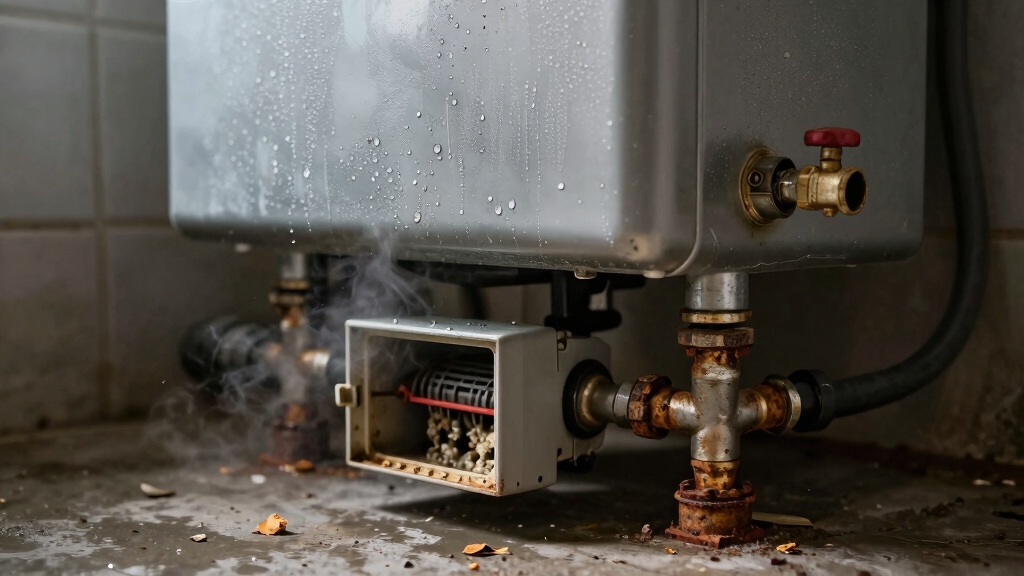
Understanding the common causes of water heater noises helps you diagnose and address issues before they escalate.
You’ll often encounter sounds like popping, banging, hissing, or humming, each pointing to specific problems.
Pressure issues can trap air in pipes, causing hissing or banging, while partially closed valves might create a high-pitched whistle.
Loose heating elements vibrate, producing humming noises, and leaks or condensation generate sizzling or crackling sounds. These noises signal stress on components, inefficiency, or potential damage.
Detecting the type and source of noise lets you take targeted action, such as adjusting valves, checking pressure regulators, or tightening elements.
Early diagnosis prevents costly repairs and guarantees your water heater runs safely and efficiently over time.
Knocking noises are often caused by sediment buildup inside the tank, which traps steam bubbles during heating cycles.
How Sediment Buildup Causes Water Heater Noises?
Noises from your water heater often stem from sediment buildup at the tank’s bottom. Minerals from hard water settle and form a dense layer. When the heating element warms water beneath this layer, steam bubbles form and burst, causing popping or rumbling noises.
These bubbles forcefully break through sediment, creating thumping or banging sounds. Over time, this buildup reduces heating efficiency and strains components.
| Cause | Effect on Noise | Impact on Heater |
|---|---|---|
| Mineral buildup | Popping, rumbling | Reduced efficiency |
| Steam bubbles | Thumping, banging | Overheating, element strain |
| Sediment layer | Noise intensifies over time | Potential tank damage, leaks |
Regular flushing prevents buildup and noise. Persistent sediment buildup can also lead to internal leaks that cause additional hissing sounds and require professional inspection.
How Water Pressure Problems Trigger Noises?
When water pressure fluctuates unevenly in your plumbing, it traps air inside the pipes. This causes hissing or banging sounds near the water heater.
These pressure variations often result from sudden supply interruptions or rapid temperature changes. They disrupt the steady flow of water.
Excessive pressure stresses the system’s valves and joints, risking damage and pipe bursts. Low pressure slows heating efficiency and increases energy consumption.
To maintain balance and prevent these noises, a pressure regulator plays a vital role. It stabilizes water pressure and protects seals from damage.
If you notice irregular sounds, check your home’s water pressure. Verify that the regulator functions correctly.
Addressing pressure issues promptly helps preserve your water heater’s performance. It also reduces unnecessary noise caused by trapped air or mechanical stress.
Improper installation, such as vertical placement of the regulator, can lead to debris collection that compromises its effectiveness and causes further issues.
How Valve Issues Cause Whistling and Banging?
When valves are partially closed, they can really mess with the water flow, leading to some annoying high-pitched whistling sounds. You know that feeling when something just isn’t right? That’s the pressure buildup putting a strain on your water heater and fittings, which not only increases wear but also adds to the noise.
But here’s the good news: if you open those valves fully, you can restore smooth flow! It’s like a breath of fresh air for your plumbing system, and it helps eliminate those disruptive sounds. Additionally, addressing water hammer issues can prevent damage to internal components and reduce noise caused by sudden pressure changes.
Valve Flow Restrictions
If a valve isn’t fully open, it restricts water flow, forcing water through smaller openings and creating high-pitched whistling sounds. This constriction increases pressure upstream, putting extra strain on the tank and fittings.
As water squeezes through these narrow passages, turbulence rises, leading to banging noises when pressure fluctuates suddenly. Valve flow restrictions often result from partially closed or corroded valves, commonly found in high-use homes where valves may be accidentally tightened.
To fix this, you should fully open the valve to restore smooth, unrestricted flow. Neglecting valve restrictions can cause uneven pressure distribution and accelerate internal seal wear, risking leaks or failure.
Regularly inspect and adjust valves to guarantee peak flow and eliminate noise caused by flow restrictions. Understanding whether a valve is unidirectional or bidirectional can help in diagnosing and preventing these flow issues.
Effects Of Partial Closure
Partial valve closure directly alters water flow dynamics, causing pressure changes that generate distinct noises like whistling and banging.
When a valve is partially closed, water must squeeze through a restricted opening, increasing velocity and turbulence.
This creates high-pitched whistling as water forces its way through narrow gaps.
The resulting pressure disparities can also stress pipes and fittings, leading to banging sounds as trapped air pockets rapidly compress and release.
If you notice these noises, check valve positions.
Partial closures often happen accidentally during maintenance or high usage.
Restoring valves to full open positions normalizes flow, reduces turbulence, and relieves pressure imbalances.
Ignoring partial closures risks valve seal damage and strains your water heater’s components, potentially causing costly failures down the line.
Regular valve inspection and adjustment keep your system quiet and efficient.
Check valves are essential as they prevent backflow that can exacerbate pressure fluctuations and noise issues in plumbing systems.
How Water Heater Heating Elements Hum or Vibrate?
Although humming from your water heater’s heating elements can be normal during thermostat activation, persistent vibrations usually indicate a problem.
Loose electric heating elements often vibrate against the tank walls, producing a continuous humming noise. This happens when the element’s mounting becomes loose, causing it to rattle as electricity heats it.
You can usually fix this by tightening the elements with a proper wrench, ensuring a snug fit against the tank.
However, if sediment covers the elements, it can lead to overheating and eventual burnout, increasing noise and inefficiency.
When you notice persistent humming or vibration, inspect the elements promptly. Addressing these issues early prevents damage to the heating elements and maintains your water heater’s performance and energy efficiency.
For homes with sump pumps, understanding the differences between battery backup and water-powered systems can help ensure reliable water heating and drainage during power outages.
How Leaks and Condensation Produce Hissing or Sizzling?
When moisture accumulates on your water heater’s components, it often produces a distinct hissing or sizzling sound that signals condensation or leaks.
This noise commonly occurs when condensation drips onto the burner in gas heaters or when leaks develop near inlet or outlet valves.
Rapid water usage or cold incoming water worsens condensation, leading to excessive crackling that indicates internal moisture buildup.
Detecting these sounds early helps you prevent corrosion and costly repairs.
One common cause of leaks is corrosion in the drain valve, which weakens seals and allows water to escape, contributing to moisture buildup.
| Source of Moisture | Common Location |
|---|---|
| Condensation drip | Burner area (gas heaters) |
| Leak | Inlet/outlet valves |
| Internal condensation | Tank interior |
| Rapid water usage effect | Increased condensation |
Addressing leaks and condensation promptly ensures your heater runs safely and efficiently.
How Sediment Buildup Lowers Water Heater Efficiency?
You might’ve noticed that mineral deposits from hard water can settle at the bottom of your water heater tank.
Over time, this forms a thick layer that really hinders efficient heat transfer.
When that happens, your heater has to work extra hard to get the water up to the right temperature.
As a result, you’ll see an increase in energy usage, which isn’t great for your wallet or the environment!
So, tackling that sediment buildup is super important.
It helps prevent wasted energy and keeps your water heater running smoothly at peak performance.
Regular flushing or descaling can prevent sediment deposits and maintain efficient operation.
Mineral Deposit Formation
Sediment buildup inside your water heater reduces its efficiency by creating a mineral layer at the tank’s bottom. This layer traps heat, forcing your system to work harder and increasing energy consumption and wear.
Over time, minerals like calcium and magnesium accumulate, causing popping noises as steam bubbles form beneath the deposits.
| Mineral Type | Source | Impact on Heater |
|---|---|---|
| Calcium | Hard water | Thick sediment layers |
| Magnesium | Hard water | Accelerates buildup |
| Silica | Groundwater | Hard, crusty deposits |
Regular flushing prevents excessive mineral deposits, preserving efficiency and extending your heater’s lifespan. Ignoring buildup risks overheating, lining damage, and costly repairs.
Address sediment early to keep your water heater running smoothly and quietly. When draining your water heater, it is important to monitor the draining process closely to avoid potential issues.
Heat Transfer Reduction
As mineral deposits accumulate at the bottom of your water heater, they form an insulating barrier that impairs heat transfer from the heating element to the water.
This sediment layer forces the heating element to work harder and longer to reach the desired temperature, reducing overall efficiency.
You’ll notice longer heating cycles and uneven water temperature as heat struggles to penetrate the buildup.
Over time, the trapped heat beneath the sediment can cause localized overheating, stressing the tank’s lining and components.
To maintain peak heat transfer, you need to flush the tank regularly to remove sediment.
Doing so guarantees direct contact between the heating element and water, improving efficiency and preventing premature wear or damage caused by sediment buildup.
Energy Waste Increase
When minerals accumulate at the bottom of your water heater tank, they reduce its efficiency. This forces the heating element to work harder and consume more energy to maintain water temperature.
This sediment layer insulates the water from heat, causing longer heating cycles and increased utility bills. Over time, the element strains, risking premature failure and costly repairs.
| Effect | Cause | Result |
|---|---|---|
| Increased energy use | Sediment buildup | Higher utility bills |
| Element stress | Longer heating cycles | Reduced heater lifespan |
| Efficiency loss | Insulated water layer | Poor heat transfer |
Flushing your tank regularly prevents sediment buildup. This ensures peak performance and reduces energy waste.
How to Quickly Fix Water Heater Noises?
Start by identifying the noise type to target the fix effectively.
If you hear popping or rumbling, sediment buildup is likely. Flush the tank promptly to clear minerals.
Hissing or banging noises suggest pressure issues. Check and adjust the pressure regulator to balance water flow.
High-pitched whistling points to valve problems. Make certain valves are fully open to restore smooth flow.
If humming occurs, inspect electric heating elements for looseness and tighten them to stop vibrations.
Crackling or sizzling sounds often mean condensation or leaks. Locate and repair any moisture-prone areas near valves or burner components.
Addressing the specific noise quickly reduces damage risks and restores efficient operation. Always use caution when working on water heaters and consult a professional if unsure.
Why Regular Maintenance Stops Noises and Extends Lifespan?
Regular maintenance prevents sediment buildup, pressure imbalances, valve issues, and heating element failures that cause noisy operation. By staying on top of upkeep, you can guarantee your water heater runs quietly and efficiently. Here’s why it matters:
- Flushing the tank removes sediment that causes popping and banging. This protects the tank lining and heating elements.
- Inspecting and adjusting valves maintains proper flow, eliminating whistling and pressure-related noises.
- Tightening or replacing heating elements stops vibrations and humming, preventing early burnout.
Consistent care reduces energy use by up to 15% and lowers the risk of leaks. It also catches problems before they escalate.
You’ll extend your heater’s lifespan and avoid costly repairs, all while enjoying quiet, reliable hot water. Don’t ignore noises; maintenance is your best defense.
Frequently Asked Questions
Can Water Heater Noises Indicate a Safety Hazard?
Yes, water heater noises can indicate safety hazards.
If you hear banging, popping, or hissing, sediment buildup or leaks might be overheating or corroding the tank, risking rupture.
Pressure-related noises suggest valve or regulator issues, which can cause dangerous bursts.
Ignoring these sounds lets problems worsen, increasing leak or fire risks.
You should address unusual noises promptly by inspecting, flushing the tank, or calling a professional to keep your heater safe.
Do Different Water Heater Types Make Different Noises?
Did you know well-maintained water heaters use 15% less energy? Different types do make distinct noises.
Gas heaters often crackle from burner ignition and condensation, while electric ones may hum or pop due to heating element vibrations and sediment buildup.
Tankless heaters stay quieter but might whistle under pressure changes. Understanding these sounds helps you diagnose issues early and maintain efficiency.
This can prevent costly repairs or energy waste.
How Does Water Heater Age Affect Noise Levels?
As your water heater ages, sediment buildup increases, causing louder popping or rumbling noises from trapped steam bubbles bursting.
Older units often have worn valves or loose heating elements, producing whistling or humming sounds.
Aging tanks also experience pressure fluctuations, adding banging or hissing.
Neglecting maintenance accelerates wear, making noises worse.
You should flush the tank regularly and inspect components to reduce noise and extend your heater’s life.
Can Water Softeners Reduce Sediment-Related Noises?
Think of your water heater as a ship voyaging mineral seas.
Using a water softener reduces the hard water’s mineral cargo, preventing sediment buildup at the tank’s bottom.
This means fewer steam bubbles popping and thumping inside.
By softening water, you ease strain on heating elements, improving efficiency and cutting noise from sediment.
Are Water Heater Noises Covered by Warranty?
Your water heater noises may be covered under warranty if they result from manufacturing defects or faulty components.
However, noises caused by sediment buildup, lack of maintenance, or normal wear typically aren’t covered.
Check your warranty terms closely; some exclude damage from hard water or neglect.
To guarantee coverage, document and report noises early. Regular professional maintenance helps prevent issues outside warranty protection and extends your heater’s lifespan.
Silence the Warning Signs Before They Turn Costly
When your water heater starts making noise, it’s like an engine struggling under strain. Sediment buildup, pressure glitches, or faulty valves all play a part.
Ignoring these sounds is like ignoring a warning light flashing on your dashboard. By acting quickly and maintaining your heater regularly, you cut through the clatter and hum.
This restores smooth operation and extends its lifespan. Don’t let noise become the soundtrack of inefficiency; fix it before it escalates.