
If your water pressure is low, it’s often due to shared pipelines where neighbors’ simultaneous use splits flow, municipal supply limits or maintenance, clogged pipes from sediment buildup, hidden leaks diverting water, or faulty fixtures blocking flow.
Hot-water pressure drops might come from water heater issues or valve problems. These factors can act alone or together, but understanding them helps you identify the right fix. Explore further to uncover how each element affects your home’s water pressure and what you can do.
Key Takeaways
- Shared pipelines with neighbors reduce individual water pressure during simultaneous high usage times due to fixed capacity and flow competition.
- Municipal supply issues, main line breaks, or scheduled maintenance can cause temporary household water pressure drops.
- Clogged pipes and sediment buildup narrow water flow paths, significantly lowering pressure throughout the house.
- Hidden leaks or faulty valves divert water away before it reaches fixtures, causing noticeable pressure loss.
- Mineral deposits in fixtures and water heaters cause localized low pressure, often fixed by cleaning or replacing affected parts.
Why Is Your Water Pressure Low and How to Fix It?
Why is your water pressure low, and how can you fix it? Low water pressure often results from internal issues like clogged pipes, leaking pipes, faulty fixtures, or water heater problems.
Mineral buildup and corrosion narrow pipe interiors, restricting flow. Small leaks divert water, lowering pressure before it reaches your fixtures.
Check for damp spots or flooding near pipes to identify leaks. Faulty fixtures, such as clogged aerators or showerheads, also reduce pressure locally.
Sediment accumulation in water heaters can diminish hot water flow. To fix these, start by cleaning or replacing aerators and showerheads.
Inspect visible pipes for leaks and consider professional help for internal blockages or leaks. Regular maintenance prevents buildup and guarantees steady pressure throughout your home’s plumbing system.
Measuring your water pressure with a pressure gauge can help determine if your system is within the ideal range or requires adjustment.
How Municipal Water Supply Issues Cause Low Water Pressure?
When your municipal water supplier runs into disruptions, you might start to notice a dip in your home’s water pressure. It’s pretty common.
And did you know that city regulations can also play a role? Sometimes, they limit flow rates during specific times to help manage the overall demand for water.
If you’re curious about what’s going on with your water supply, a quick check with your local utility can clear things up. They can let you know if these external factors are affecting your water pressure.
Additionally, excessive water inflow from heavy rains can impact your home’s plumbing system, contributing to pressure fluctuations due to excessive water inflow effects.
Supplier Disruptions Impact
Although you may not always notice it immediately, disruptions from your municipal water supplier directly reduce your home’s water pressure.
When the city performs maintenance or experiences main line breaks, water flow to entire neighborhoods decreases, affecting your household.
Peak usage periods also strain supply capacity, causing temporary pressure drops.
These supplier-side issues limit the volume and force of water entering your system, regardless of your internal plumbing condition.
To identify if supplier disruptions cause your low pressure, check local utility alerts for outages or scheduled work.
Understanding these external factors helps you avoid unnecessary repairs inside your home.
If low pressure coincides with supplier problems, patience or contacting the utility for updates is often the best course of action.
External factors such as urban development and climate variability further strain municipal infrastructure, exacerbating pressure instability.
Regulatory Flow Restrictions
Because city regulations often set limits on water flow rates to conserve resources and manage supply, you may experience reduced water pressure in your home.
These regulatory flow restrictions are designed to make certain the municipal system serves all users fairly but can impact your water experience.
Here are key points to weigh:
- Flow Rate Caps: Municipalities impose maximum flow rates on service lines, which can lower pressure during peak times.
- Supply Allocation: The city may prioritize essential services, limiting residential pressure temporarily.
- Infrastructure Upgrades: New regulations sometimes require pressure-reducing valves or equipment that restrict flow to meet standards.
Understanding these factors helps you recognize that low pressure may stem from external controls, not just your home’s plumbing.
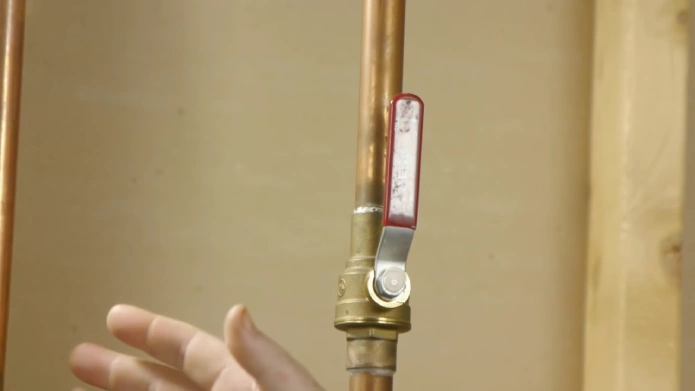
Contact your local utility to verify if regulatory limits or changes affect your water pressure. Additionally, knowing how to shut off the main water valve can be crucial if pressure issues lead to plumbing emergencies.
How City Regulations and Peak Usage Times Affect Water Flow?
Since city regulations often set limits on water flow rates, you may notice reduced pressure during certain times of the day.
These regulations guarantee sustainable water distribution and prevent system overloads but can restrict the maximum pressure your household receives.
Additionally, peak usage times, typically mornings and evenings, cause demand spikes across the municipal network.
When many homes simultaneously draw water, the system’s capacity stretches, lowering pressure for everyone connected.
The water supplier balances these fluctuations through controlled flow management, which may temporarily reduce your home’s water pressure.
To minimize impact, avoid heavy water use during peak periods if possible.
If low pressure persists, contact your local utility to confirm if regulatory measures or peak demand are causing the issue, as they often provide updates on system status and planned adjustments.
Sometimes, low pressure can also be caused by clogged or dirty filters within your home’s plumbing that restrict water flow.
How Shared Pipelines Lower Water Pressure in Your Home?
You share pipelines with your neighbors, which means the water supply gets split among multiple homes. So, when everyone decides to use water at the same time—whether it’s running showers or doing laundry—it can really lower the pressure you feel.
Understanding this competition for flow is super helpful. It not only helps you manage your expectations but also lets you figure out those peak times when the water pressure might drop. Installing a whole house filtration system can sometimes affect water pressure due to added filtration components in the plumbing.
Shared Pipeline Basics
When multiple homes share the same pipeline, water pressure in your house can drop as the available flow divides among all users. This shared supply means your water pressure depends on the total demand from all connected households. You’ll notice fluctuations especially during simultaneous usage.
Here are key points to understand:
- Flow Division: The main pipeline’s capacity splits between homes, so each gets less water as more use it simultaneously.
- Pipeline Design: Shared lines are common in dense neighborhoods, often smaller in diameter, limiting flow volume.
- No Direct Control: Since you don’t control neighbors’ consumption, pressure varies unpredictably, impacting your fixtures’ performance.
Understanding these basics helps you diagnose low pressure issues related to shared pipelines before exploring other causes. Additionally, geographic location and local soil conditions can influence overall water supply and pressure variations in shared systems.
Impact Of Neighbor Usage
Neighbor usage directly influences your home’s water pressure by competing for the limited flow within shared pipelines.
When your neighbors run showers, washing machines, or irrigation systems simultaneously, the water supply divides among all connected homes, reducing the pressure you experience.
This competition is especially noticeable during peak hours when multiple households demand water at once.
Since the pipeline’s capacity is fixed, increased flow in one home means less pressure in yours.
This shared dependency creates fluctuations you can’t control, unlike isolated plumbing systems.
Understanding this dynamic helps explain why your water pressure drops unpredictably, even when your internal plumbing is fine.
Keep in mind, shared pipelines are common in dense neighborhoods, so neighbor usage remains a significant factor in your household’s water pressure issues.
Regularly monitoring and maintaining shared pipeline components can help mitigate some of these pressure fluctuations.
Managing Flow Competition
Managing flow competition requires understanding how shared pipelines distribute limited water supply among connected homes. When multiple households draw water simultaneously, pressure drops occur because the pipeline divides the available flow.
To manage this effectively, keep these points in mind:
- Monitor peak usage times in your neighborhood. Simultaneous demands, like morning showers, reduce pressure for all connected homes.
- Recognize that there’s no shared billing, but flow competition still affects your water pressure unpredictably.
- Consider installing pressure regulators or flow restrictors to balance your home’s demand with neighbors’, stabilizing your water pressure.
Additionally, installing a whole house water pressure booster pump can help maintain consistent pressure despite fluctuating neighborhood usage.
How Clogged Pipes Restrict Water Flow and Cause Pressure Drops?
Clogged pipes cut down your home’s water flow by narrowing the passage inside the plumbing system.
Clogged pipes reduce water flow by constricting plumbing passages, impacting your home’s overall water pressure.
Over time, mineral buildup, sediment, and corrosion accumulate on pipe walls, reducing the effective diameter.
This restriction forces water to move slower and lowers pressure at your fixtures.
Even minor blockages in any section can cause noticeable pressure drops throughout the house.
Older plumbing materials are especially susceptible to these internal blockages, as rougher surfaces encourage deposits.
To restore proper flow, you’ll need a professional plumber to diagnose and clear the clogs, often with specialized tools or chemical treatments.
Regular maintenance can prevent buildup, but once clogging starts, DIY fixes rarely suffice.
Addressing clogged pipes promptly makes sure consistent water pressure and protects your plumbing from further damage.
Additionally, water chemistry plays a critical role in the formation of these internal deposits and corrosion that contribute to clogging.
How Hidden Leaks Reduce Your Water Pressure?

Leaks hidden inside walls or underground can eat away at your home’s water pressure without you noticing. These leaks divert water before it reaches your fixtures, lowering the overall pressure.
You mightn’t see obvious signs until damage appears, but pressure loss starts immediately. To identify and address hidden leaks, focus on:
- Inspecting for unexpected dampness or mold on walls and floors, which suggests internal pipe breaches.
- Monitoring your water meter when no water is used; continuous movement indicates leaks.
- Checking for unusually high water bills, often a sign of unnoticed water loss.
Fixing hidden leaks restores proper flow and prevents further damage. Early detection and repair are essential to maintain adequate water pressure throughout your home.
How Faulty Fixtures Lead to Low Water Pressure in Specific Areas?
While hidden leaks silently sap your home’s water pressure, faulty fixtures often cause noticeable drops localized to specific sinks or showers. You’ll usually see this when aerators clog with dirt, rust, or limestone deposits.
Faulty fixtures often cause localized water pressure drops due to clogged aerators with dirt, rust, or mineral deposits.
Both hot and cold water flows diminish, signaling sediment buildup inside the fixture rather than the plumbing. Showerheads also accumulate mineral deposits over time, restricting flow and reducing pressure at that point.
To fix this, remove and clean aerators or showerheads by soaking them in vinegar or a descaling solution. If cleaning doesn’t restore pressure, replace the fixture.
Regular maintenance prevents buildup and guarantees consistent water flow. By targeting these faulty fixtures, you can quickly resolve localized low pressure without calling a plumber or inspecting your entire system.
Water Heater Problems That Reduce Hot Water Pressure
Sediment buildup can seriously cut down your hot water pressure by restricting flow inside the heater tank.
Over time, minerals settle at the bottom, narrowing the water passage and reducing output. If you don’t use a water softener, this process speeds up, causing quicker pressure drops.
Here are three key water heater issues that reduce hot water pressure:
- Sediment Accumulation: Limits flow and causes noisy operation.
- Faulty Valves: Valves under sinks or near the heater can partially close or clog, blocking hot water.
- Localized Pressure Loss: If only certain fixtures show low hot water pressure, the problem often lies in the heater’s internal components or nearby plumbing.
Regular flushing and maintenance help maintain proper hot water pressure and extend heater life.
When to Call a Professional Plumber for Low Water Pressure?
If you’ve ruled out water heater problems as the cause of low water pressure, it’s time to contemplate other potential issues that require professional expertise.
Call a plumber if you suspect clogged pipes, as mineral buildup and corrosion demand specialized tools for diagnosis and clearing.
Hidden leaks also necessitate professional inspection since they divert water and reduce pressure unnoticed.
When you notice pressure drops only during peak times or in multiple fixtures, the issue might stem from municipal supply problems or shared pipelines, both requiring coordination with your plumber and local utility.
Additionally, persistent low pressure at specific fixtures after cleaning aerators signals complex underlying problems.
In all these cases, a licensed plumber can accurately pinpoint causes and implement effective repairs, restoring proper water flow and preventing further damage.
Frequently Asked Questions
Can Water Pressure Affect My Water Bill Costs?
Yes, water pressure can impact your water bill costs. When pressure’s too high, you may use more water than needed, especially with leaks or faulty fixtures increasing flow rates.
Conversely, low pressure might cause longer usage times, indirectly raising consumption. Monitoring and maintaining ideal pressure helps avoid waste, reducing your bill.
Fix leaks, clean aerators, and check for pressure issues regularly to keep water use efficient and costs down.
Does Low Water Pressure Damage Household Appliances?
Ever wondered if low water pressure can harm your appliances? Yes, it can.
Appliances like washing machines and dishwashers rely on adequate pressure for proper operation. Low pressure may cause inefficient cleaning, longer cycles, or even damage internal components due to inconsistent water flow.
You should check your pressure regularly and fix any issues. Maintaining proper water pressure helps your appliances run efficiently and extends their lifespan, saving you money on repairs.
How Do Water Softeners Impact Water Pressure?
Water softeners can slightly reduce your water pressure because they add an extra step where water passes through resin beads to remove minerals.
If your softener is clogged or poorly maintained, it can cause significant pressure drops.
Regularly clean and service your softener to prevent buildup.
Properly functioning units have minimal impact, but neglecting maintenance might force you to deal with noticeable low pressure in your household plumbing system.
Is Low Water Pressure Linked to Water Quality Issues?
Imagine your water flow as a highway: mineral buildup and sediment are like traffic jams, slowing everything down.
Yes, low water pressure often links to water quality issues because deposits from hard water or contaminants clog pipes and fixtures.
You’ll notice this especially if your aerators or water heater accumulate sediment.
Keep an eye on water quality and clean or replace parts regularly to maintain steady pressure and smooth flow throughout your home.
Can Landscaping or Irrigation Systems Cause Pressure Drops?
Yes, your landscaping or irrigation system can cause pressure drops, especially during operation.
When sprinklers run, they demand significant water flow, reducing pressure available for indoor fixtures.
Shared pipelines or insufficient main line capacity exacerbate this effect.
To manage this, schedule irrigation during low indoor use, install pressure regulators, or upgrade your system’s flow capacity.
Regularly inspect for leaks or clogs in irrigation lines, as these also impact overall water pressure.
Don’t Ignore Weak Water Flow: Fix It Before It Gets Worse
Low water pressure affects about 25% of homeowners, often due to common issues like clogged pipes, hidden leaks, or municipal supply limits. By understanding these causes, you can quickly troubleshoot and fix problems yourself or know when to call a professional plumber.
Remember, addressing low pressure promptly not only improves comfort but also protects your plumbing system from long-term damage. Don’t overlook small signs; they often signal bigger issues behind your water flow problems.