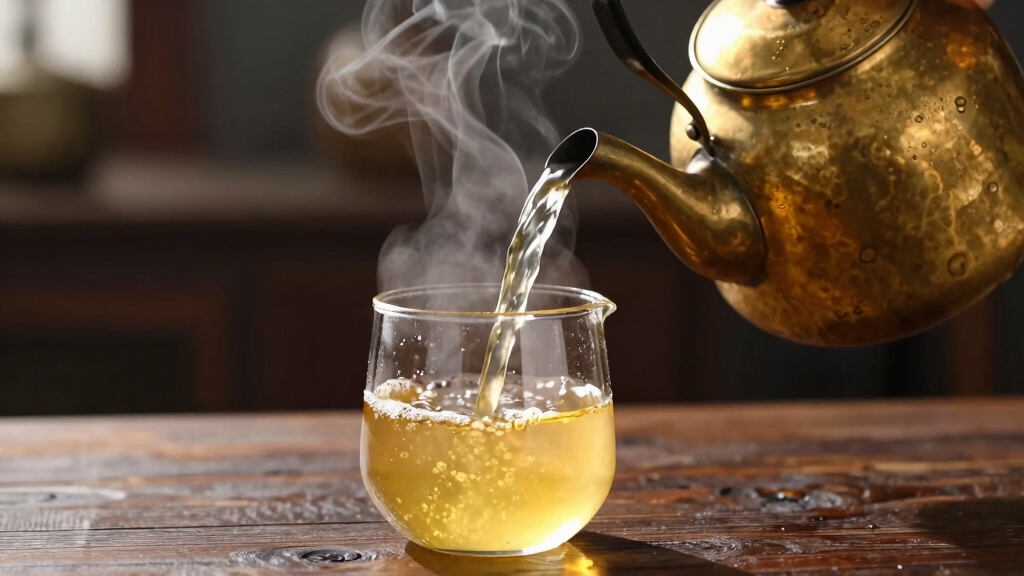
You’re seeing yellow hot water because corrosion, rust, sediment buildup, iron bacteria, or construction debris are contaminating your system.
Acidic water can corrode copper pipes, releasing yellowish compounds. Rust in steel tanks or galvanized pipes adds iron oxide particles.
Sediment accumulation and heating accelerate discoloration and reduce efficiency. Iron bacteria create yellow slime and stains, complicating remediation.
Temporary debris from new plumbing may also cause tinting. Understanding these factors helps diagnose and address your hot water discoloration effectively.
Key Takeaways
- Yellow hot water often results from rust or iron oxide particles released by corroded iron or steel pipes and tanks.
- Heating accelerates iron oxidation and rust detachment, causing discoloration typically seen only in hot water.
- Iron bacteria produce yellow slime and stains, worsening discoloration and damaging plumbing systems.
- Sediment buildup and construction debris can temporarily tint hot water yellow until flushed from the system.
- Regular flushing and maintenance reduce sediment and rust but may not stop internal corrosion or bacterial growth.
Causes of Yellow Hot Water

Yellow hot water typically results from several specific causes related to your home’s plumbing and water heating system.
You might encounter pipe corrosion, especially if copper pipes interact with acidic water (pH below 7), releasing yellowish substances.
Galvanized steel or iron pipes rust, imparting yellow to reddish hues.
Rust buildup inside your water heater’s tank also discolors hot water exclusively, since iron or steel tanks degrade over time.
Additionally, iron-related bacteria can coat pipes, producing yellow slime through iron oxide formation.
Construction debris in new or renovated homes can temporarily cause yellow tint until flushed out.
Finally, fluctuating water pressure may create yellow-tinted bubbles from dissolved air, and chemical reactions involving chlorine can produce yellowish water.
Identifying these causes requires evaluating pipe materials, water chemistry, and system age.
Seasonal changes and surface runoff can also introduce sediments and organic matter, which may contribute to discoloration in hot water systems due to increased environmental factors.
How Sediment Buildup Affects Hot Water Color?
Among the various factors influencing hot water discoloration, sediment buildup inside your water heater plays a significant role.
Over time, minerals like calcium and magnesium accumulate at the tank’s bottom, especially in systems using well water.
When you draw hot water, agitation dislodges these mineral deposits, releasing fine particles that tint the water yellow.
This discoloration is temporary and often resolves after flushing the tank, which removes the sediment layer.
However, repeated sediment accumulation can reduce heating efficiency and increase wear on your water heater components.
You should schedule regular maintenance to flush the system and minimize mineral deposit buildup.
Understanding this process helps you pinpoint sediment as a key contributor to yellow hot water, distinct from corrosion or bacterial causes.
Regular flushing of the tank can minimize sediment build-up and prolong the life of your water heater.
How Pipe Corrosion Leads to Yellow Hot Water?
When water with a pH below 7 flows through your copper pipes, it accelerates corrosion, releasing yellow-tinted substances into your hot water supply.
Acidic water promotes the oxidative dissolution of copper, forming copper salts and oxides that discolor the water.
Acidic water accelerates copper corrosion, producing salts and oxides that tint your water yellow.
This corrosion process intensifies as oxygen infiltrates older pipes, exacerbating metal degradation.
Galvanized steel or iron pipes similarly oxidize, producing yellow to reddish hues from iron oxide deposits.
Since hot water heats the pipes, it accelerates chemical reactions, increasing the concentration of corrosion byproducts in your hot water.
Unlike sediment buildup, corrosion permanently damages the pipe’s inner surface and can’t be reversed by flushing.
Ultimately, consistent exposure to acidic water and oxygen leads to persistent yellow discoloration, indicating pipe deterioration and the need for pipe replacement to restore water clarity.
Additionally, rust reacts with disinfectants like chlorine, forming carcinogenic hexavalent chromium, which poses serious health risks.
How Rusty Water Heaters Discolor Hot Water?
Did you know that rust formation in your water heater’s iron or steel tank is the main culprit behind that yellow discoloration in your hot water? It’s true!
As the tank starts to corrode over time, those rust particles end up mixing with the water, changing both its appearance and quality.
Now, if you’re dealing with this issue, you might think that flushing the heater could help. And it does, at least temporarily.
However, the real key to solving the problem lies in tackling that underlying corrosion. Without addressing it, you won’t fully restore the clarity of your water. So, it’s definitely worth getting to the root of the issue!
Regular maintenance, including anode rod inspection, is essential to prevent corrosion and extend your water heater’s lifespan.
Rust Formation Causes
Although hot water heaters are designed to resist corrosion, prolonged exposure to heat and moisture accelerates rust formation inside the tank.
Over time, the steel or iron lining degrades, allowing oxidation to occur when iron reacts with water and oxygen, producing iron oxide, commonly known as rust.
This process intensifies in older units, especially those exceeding ten years, where protective coatings deteriorate.
Rust particles detach and suspend in hot water, causing the characteristic yellow discoloration.
Flushing the tank can temporarily reduce sediment but doesn’t halt internal corrosion.
Factors such as fluctuating water pH and dissolved oxygen levels further catalyze rust development.
Understanding these mechanisms helps you identify when rust formation compromises water heater integrity, signaling the need for repair or replacement to prevent leaks and system failure.
Cold weather exacerbates this issue by accelerating sediment buildup and corrosion inside the tank, increasing the risk of damage during freezing conditions.
Impact on Water Quality
Rust buildup inside a water heater directly alters the quality of the hot water it supplies. As iron or steel tanks corrode, rust particles detach and enter the water stream, causing a distinct yellow discoloration exclusive to hot water.
This rust presence indicates degradation within the tank’s interior, compromising water purity and potentially releasing iron oxide compounds detrimental to plumbing and appliances. You’ll notice cold water remains clear because sediment and corrosion primarily affect heated sections.
Flushing the tank can temporarily reduce discoloration by removing loose rust and sediment, but it doesn’t halt ongoing corrosion. Prolonged rust exposure also risks leaks and system failure.
Regular flushing and maintenance are essential to reduce sediment accumulation that accelerates corrosion inside the tank.
Understanding this impact helps you diagnose water quality issues accurately and highlights the necessity for timely maintenance or tank replacement to preserve water safety and system integrity.
How Iron Bacteria Cause Yellow Slime and Stains in Hot Water?
Iron bacteria thrive in water systems containing ferrous iron, where they oxidize the iron to form iron oxide deposits that appear as yellow slime and stains.
Iron bacteria oxidize ferrous iron in water, creating yellow slime and stubborn iron oxide stains.
When you encounter this, understand that the bacteria metabolize ferrous iron (Fe²⁺). They convert it into ferric iron (Fe³⁺), which precipitates as insoluble iron oxide.
This process creates:
- Yellow-orange slime coating pipes and fixtures.
- Accumulated iron oxide deposits restricting flow.
- Persistent yellow stains on surfaces exposed to hot water.
- Biofilm formation that protects bacteria from standard disinfection.
You’ll notice hot water systems are particularly susceptible because heating accelerates iron oxidation.
Addressing this requires chemical inhibitors and often partial system replacement to eliminate bacterial colonies and iron buildup.
Ignoring iron bacteria leads to continued slime formation, staining, and potential system damage.
Periodic disinfection and oxidation-filtration systems can help control bacterial growth and maintain system performance.
How Construction Debris Temporarily Tints Hot Water?
When new construction or renovations take place, it’s not uncommon for sediment and debris to sneak into your water lines. This can lead to a temporary yellow tint in your hot water. You might notice it more in your hot water because that’s where the sediment gets stirred up in the water heater and pipes when you start using it again.
But don’t worry! You can easily clear this debris. Just flush the system until the water runs clear, and you’ll be back to normal in no time. Regular maintenance and flushing help prevent the buildup of disturbed sediments that cause discoloration.
Causes Of Construction Debris
During construction or renovation, sediment and debris inevitably enter water lines, especially those supplying hot water. This contamination arises from multiple sources that deposit particles into the plumbing system.
You’ll notice temporary yellow tinting as these materials suspend in the water. Here are the primary causes:
- Dislodged Sediment: Dust and dirt from construction sites enter open pipe ends or fixtures.
- Pipe Residue: New pipes contain manufacturing oils and metal shavings washed into the system.
- Water Heater Agitation: Flushing or initial hot water usage stirs accumulated particles inside tanks.
- Incomplete Flushing: Debris remains trapped in pipe bends or valves until fully cleared.
Proper venting and flushing of the drainage system can help remove these contaminants effectively by ensuring air circulation and flow.
Understanding these causes helps you anticipate discoloration during early use. It also allows you to plan necessary flushing to restore clear hot water.
Impact On Hot Water
Although construction debris may seem insignificant, it directly affects the clarity of your hot water by introducing suspended particles that cause a yellow tint.
During new construction or renovations, sediment such as dirt, plaster, and fine particulate matter enters the water lines.
These particles accumulate temporarily in your water heater and pipes, particularly within the hot water system due to thermal expansion and flow dynamics.
As you use hot water, agitation dislodges these sediments, dispersing them through your taps and imparting a noticeable yellow coloration.
This discoloration is transient and localized to hot water because the heating process mobilizes the debris more than cold water flow does.
Understanding this mechanism helps you recognize that the yellow tint is a temporary effect of construction sediment, not a systemic water quality failure.
However, if the yellow tint persists or is accompanied by foul odors or visible particles, it may indicate underlying water quality problems requiring further investigation.
Flushing To Clear Debris
Flushing out your water heater and pipes efficiently removes construction debris responsible for the temporary yellow tint in hot water.
When your home undergoes construction or renovation, sediment and particles enter the plumbing system, causing discoloration primarily in hot water.
You can clear this by flushing the system methodically. Follow these steps:
- Turn off the water heater and allow it to cool.
- Connect a hose to the drain valve and direct it to a safe drainage area.
- Open the drain valve and flush until the water runs clear.
- Refill the system, purge air from lines, and restore power to the heater.
This procedure expels trapped debris, restoring water clarity and preventing ongoing yellow tint caused by sediment suspension.
How Water Quality Factors Affect Yellow Hot Water?
When you consider how water quality factors contribute to yellow hot water, it’s clear that mineral content and chemical interactions play pivotal roles.
High concentrations of calcium and magnesium in well water lead to sediment buildup in your heater, releasing yellow-tinted particles when agitated.
Corrosive conditions, such as acidic pH below 7, accelerate copper pipe corrosion, introducing yellowish compounds into your hot water.
Rust formation inside iron or steel tanks adds iron oxide particles, specifically impacting hot water discoloration.
Additionally, iron-related bacteria can coat pipes with yellow slime, intensifying discoloration.
Fluctuations in water pressure cause dissolved air to form yellowish bubbles, while chlorine and its derivatives may also contribute to tinting.
Understanding these factors helps you accurately assess the water’s chemical and physical state affecting yellow hot water.
How to Identify and Fix Yellow Hot Water Problems?
Understanding the causes of yellow hot water lets you pinpoint the source of discoloration more effectively. To identify and fix the problem, follow these steps:
Identifying the causes of yellow hot water helps you address discoloration quickly and accurately.
- Inspect your water heater: Check for sediment or rust buildup. Flushing the tank can temporarily clear discoloration, but consider replacement if corrosion is severe.
- Assess your pipes: Examine for corrosion signs, especially in copper or galvanized steel. Corroded pipes require replacement since treatment is ineffective.
- Test water quality: Evaluate mineral content and bacterial presence. Chemical inhibitors and part replacement may be necessary if iron-related bacteria are detected.
- Consider recent plumbing work: Construction debris can cause temporary yellowing and usually resolves after thorough flushing of the system.
Frequently Asked Questions
Is Yellow Hot Water Safe for Skin and Hair?
Yellow hot water isn’t inherently safe for your skin and hair. The discoloration often signals sediment, rust, or bacterial presence, which can irritate sensitive skin or worsen conditions like eczema.
Minerals and corrosion byproducts might dry out hair and cause scalp issues. You should test water quality and consider filtration or pipe maintenance.
Until resolved, limit exposure to yellow water to protect your skin and hair’s health effectively.
Can Yellow Hot Water Stain Laundry or Dishes?
Yes, yellow hot water can stain laundry and dishes. The discoloration usually results from mineral deposits, rust, or bacterial buildup, which deposit iron or other particles onto fabrics and surfaces.
Over time, these deposits cause yellow or orange stains that are difficult to remove with standard detergents. To prevent staining, you should identify and resolve the underlying cause, such as flushing the water heater, replacing corroded pipes, or treating bacterial contamination, before laundering or washing dishes.
How Often Should Water Heaters Be Flushed to Prevent Discoloration?
You should flush your water heater at least once a year to prevent sediment buildup that causes discoloration.
If you use well water or live in a hard water area, consider flushing every six months.
Regular flushing removes mineral deposits like calcium and magnesium, maintaining water clarity and heater efficiency.
Neglecting this leads to sediment accumulation, which agitates and releases particles, causing a yellow tint in hot water and reducing your system’s lifespan.
Does Yellow Hot Water Affect Drinking Water Safety?
Yellow hot water doesn’t always mean your drinking water is unsafe, but it signals potential issues.
While cold water may remain clear and safe, the yellow tint often results from sediment, rust, or corrosion in your hot water system.
These particles aren’t typically harmful if ingested briefly but can degrade water quality.
You should test both water sources and address system maintenance promptly to guarantee safety and prevent long-term contamination risks.
Can Water Softeners Reduce Yellow Discoloration in Hot Water?
Water softeners can reduce yellow discoloration if mineral buildup, like calcium and magnesium, causes it.
They exchange hardness ions with sodium or potassium, preventing sediment accumulation in your water heater.
However, softeners don’t address corrosion or bacterial causes.
If pipe rust or iron bacteria cause yellowing, softeners won’t help.
You’ll need targeted treatments, like pipe replacement or chemical inhibitors, alongside regular flushing to maintain clear hot water.
Keep Your Water Clean and Your System Strong
If you notice yellow hot water, know that up to 60% of cases stem from sediment buildup or pipe corrosion. These issues not only discolor your water but can degrade your plumbing system’s efficiency.
Addressing the root cause, whether flushing your water heater or replacing corroded pipes, prevents further damage and guarantees safe water quality. Understanding these factors helps you take precise, timely action to maintain both your water’s clarity and your home’s infrastructure integrity.