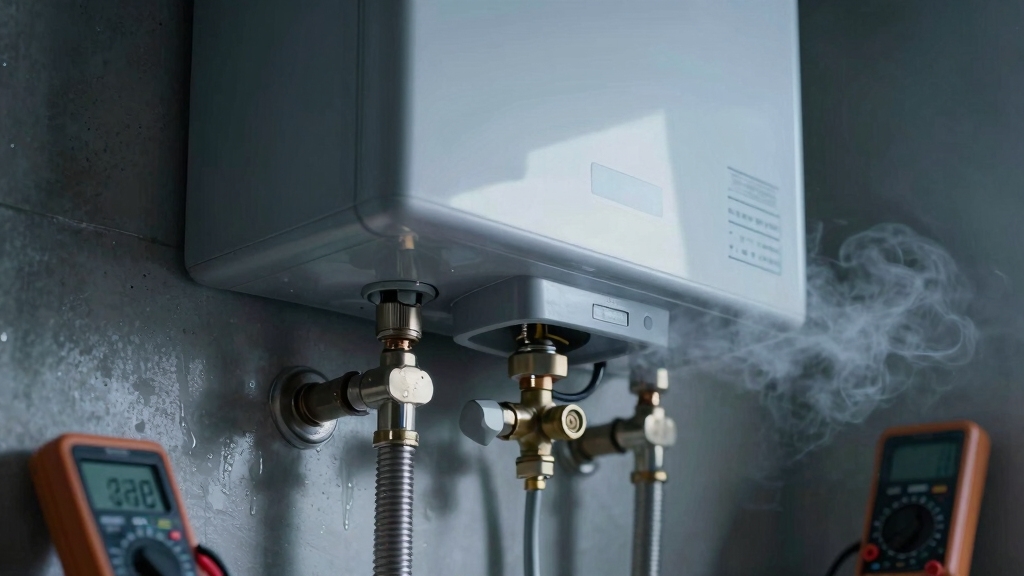
You can’t get carbon monoxide (CO) from an electric water heater because it doesn’t burn fuel or involve combustion.
It heats water via electrical resistance elements, so no chemical reactions or exhaust gases occur. Without combustion, CO simply can’t form.
If CO is detected near your electric unit, it likely comes from adjacent gas appliances or ventilation issues.
Understanding this distinction is key to recognizing genuine CO risks and safety measures in water heating systems.
Key Takeaways
- Electric water heaters do not burn fuel, so they cannot produce carbon monoxide (CO).
- Lack of combustion elements means electric units generate zero CO emissions when functioning properly.
- Electric water heaters require no venting, eliminating risks of CO leaks from flue or vent failures.
- Any detected CO near electric heaters likely originates from nearby fuel-burning appliances, not the electric unit.
- Electric water heaters are a safer choice regarding CO hazards compared to gas-powered models.
Carbon Monoxide Risks and Water Heaters: What You Need to Know?
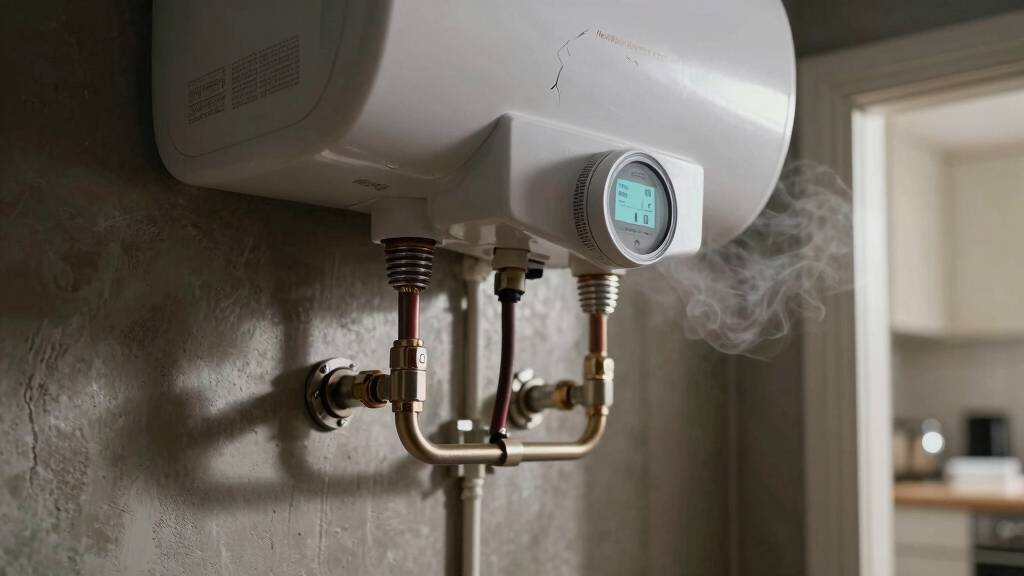
Although electric water heaters pose no carbon monoxide (CO) risk since they don’t involve combustion, gas water heaters can produce CO if their vents or burners malfunction.
Electric water heaters are safe from CO risks, unlike gas models which can emit CO if faulty.
You must understand that CO forms during incomplete combustion of natural gas or propane.
If vent pipes become blocked or disconnected, or if burners are dirty, CO can accumulate indoors.
Insufficient airflow exacerbates this risk by limiting oxygen for complete fuel burning.
Damaged heat exchangers may leak combustion gases into living spaces, elevating CO levels dangerously.
To mitigate risks, you should ensure proper installation, maintain clean burners, and inspect vents annually.
Recognizing these technical factors helps you prevent CO buildup, protecting occupants from poisoning hazards associated with gas water heaters.
Additionally, installing a pressure relief valve can enhance the safety of water heating systems by relieving excess pressure that might otherwise contribute to hazardous conditions.
Electric Water Heaters and Carbon Monoxide Production
You know, when it comes to heating water, electric water heaters really stand out. They use electrical resistance elements to get the job done, and here’s the kicker—there’s no combustion involved. That means there’s no fuel burning, which in turn means they produce zero carbon monoxide emissions. Pretty neat, right?
This fundamental difference is super important to grasp. It really clarifies why electric models don’t come with the same carbon monoxide risks that you might find with gas-powered units. So, if you’re considering which type of water heater to use, that’s definitely something to keep in mind!
Additionally, because there is no combustion, electric water heaters require no venting system, simplifying installation and enhancing safety.
How Electric Heaters Work?
Electric water heaters heat water by passing electrical current through heating elements immersed in the tank. This process converts electrical energy directly into heat without any combustion.
When electricity flows through these resistive elements, they generate heat that transfers to the surrounding water. The thermostat regulates temperature by controlling the current flow to maintain set levels efficiently.
Because no fuel is burned, electric heaters lack components like burners, heat exchangers, or flues, which are typical sources of combustion gases. Your electric unit relies solely on electrical resistance for heating, eliminating any internal chemical reactions that might produce carbon monoxide.
This direct conversion mechanism guarantees a closed system where energy input translates purely into thermal energy. It also minimizes risks related to gas emissions or exhaust management. However, issues such as faulty thermostats can cause overheating and frequent resets in electric water heaters.
Why No CO Emission?
Typically, electric water heaters produce no carbon monoxide because they operate without combustion.
Since these units use electrical resistance heating elements, they don’t burn fuel or generate exhaust gases.
Without a combustion process, there’s no carbon-based fuel oxidation, so CO can’t form.
Unlike gas water heaters, electric models lack burners, vents, or heat exchangers that could leak combustion byproducts.
When functioning correctly, electric water heaters produce zero CO emissions, making them inherently safer regarding CO risks.
Any CO detected near an electric unit likely originates from nearby fuel-burning appliances, not the heater itself.
Understanding this distinction helps you accurately assess indoor air safety and avoid misattributing CO presence to electric water heaters.
However, ensuring proper ventilation requirements around any water heating system is important for overall safety and efficiency.
Electric Water Heaters and Carbon Monoxide Safety
You won’t have to worry about carbon monoxide emissions with electric water heaters. Why? Well, they don’t use combustion to heat water. This means you can say goodbye to the risks that come with gas models, like incomplete combustion or vent blockages.
Isn’t that a relief? Understanding these safety advantages really helps you see why electric units are a great choice, especially in places where CO hazards are a concern. So, if safety is on your mind, electric water heaters might just be the way to go!
Additionally, unlike electric models, gas water heaters can suffer from issues like excess pressure that may lead to leaks and other safety concerns.
Zero Carbon Monoxide Emission
Although many homeowners worry about carbon monoxide risks from water heaters, units powered by electricity produce zero carbon monoxide emissions.
Electric water heaters heat water via electrical resistance elements without combustion, eliminating the chemical reactions that generate CO.
Since no fuel burns, no exhaust gases or carbon monoxide byproducts develop within these systems.
You won’t find vents, flues, or burners in electric models, which are common CO sources in gas appliances.
Properly maintained electric water heaters operate without producing or releasing any carbon monoxide, ensuring a fundamentally safer indoor air environment.
Your carbon monoxide concerns should instead focus on other fuel-burning appliances nearby, as electric water heaters inherently pose no CO exposure risk.
This zero-emission characteristic makes electric water heaters a reliable choice when CO safety is a priority.
However, it is important to note that materials like PVC used in water heater components are not suitable for high-temperature applications due to health and safety concerns.
Safety Advantages Over Gas
Building on the inherent zero carbon monoxide emissions of electric water heaters, their safety advantages over gas models become clear when analyzing combustion-related risks.
Since electric heaters don’t burn fuel, you eliminate incomplete combustion, vent blockages, and heat exchanger failures, primary sources of CO leaks in gas units.
You won’t need to worry about venting integrity or airflow issues that could cause dangerous CO buildup. This reduces maintenance complexity and the risk of undetected CO exposure markedly.
Additionally, electric units don’t require combustion air, so you avoid hazards linked to confined installation spaces.
Furthermore, electric water heaters avoid risks associated with faulty float switches that can cause continuous operation and overload in combustion systems.
Gas Water Heaters and Carbon Monoxide Risks
When gas water heaters burn natural gas or propane, incomplete combustion can produce carbon monoxide, posing significant risks.
You must understand that blocked vents, damaged heat exchangers, or disconnected flue pipes can allow CO to leak into your living space.
Insufficient airflow or dirty burners exacerbate incomplete combustion, increasing CO emissions.
This invisible, odorless gas can accumulate rapidly, leading to poisoning.
The CDC records numerous CO incidents linked to gas water heaters annually, underscoring the risk.
To mitigate danger, you should ensure proper installation and maintain clear vents.
Schedule annual inspections focusing on burner condition, ventilation integrity, and combustion efficiency.
Additionally, regular maintenance is essential since issues like a faulty relief valve in water heaters can signal underlying safety hazards that may also affect gas models.
Debunking Myths About CO Leaks From Electric Water Heaters
Since electric water heaters rely solely on electrical heating elements without any combustion process, they can’t produce carbon monoxide (CO).
Claims that electric units leak CO stem from misunderstandings or misattribution of CO sources.
You should recognize that CO arises exclusively from incomplete combustion in fuel-burning appliances, not from electric devices.
Even cracked heat exchangers in nearby furnaces might cause CO presence, but the electric heater itself remains unaffected.
When you detect CO near an electric water heater, investigate adjacent gas appliances or ventilation issues rather than the heater.
Properly functioning electric units generate zero combustion gases, eliminating any risk of CO leaks.
Debunking these myths helps you focus safety efforts on actual combustion-based sources.
This ensures accurate hazard identification and prevention in your home.
During power outages, it is important to consider that backup power systems can maintain safe operation of essential appliances and reduce risks associated with power loss.
CO Detectors and Maintenance for Home Safety
Regularly installing and maintaining carbon monoxide (CO) detectors is critical for guaranteeing home safety, especially in residences with fuel-burning appliances.
You should place detectors near water heaters, garages, and furnaces to accurately detect CO sources. Test alarms monthly and replace batteries annually to guarantee functionality.
For gas water heaters, schedule professional inspections yearly to assess venting, burners, and airflow, preventing incomplete combustion and CO buildup.
Clean vents and remove blockages like debris or nests promptly. Electric water heaters don’t emit CO, but nearby fuel-burning appliances can pose risks.
Proper detector placement and maintenance help you identify true CO threats quickly, allowing timely intervention. Additionally, installing automatic water shut-off valves can help prevent water damage from leaks that may occur near water heaters.
Frequently Asked Questions
How Do Electric Water Heaters Compare in Energy Efficiency to Gas Models?
You’ll find electric water heaters generally more energy-efficient than gas models because they convert nearly all electricity into heat without combustion losses.
Gas heaters lose energy through venting exhaust gases, reducing overall efficiency.
However, electricity costs can be higher depending on your location.
While electric units offer precise temperature control and minimal standby losses, gas heaters heat water faster, which might suit larger households better.
Your choice depends on energy prices and usage patterns.
Can Electric Water Heaters Malfunction and Cause Electrical Hazards?
Yes, electric water heaters can malfunction and cause electrical hazards if components like heating elements, wiring, or thermostats degrade or short circuit.
You should regularly inspect your unit for signs of wear, corrosion, or overheating.
Faulty wiring or improper installation increases shock or fire risks.
Using a ground-fault circuit interrupter (GFCI) and scheduling professional maintenance minimizes these dangers, ensuring your water heater operates safely and efficiently.
What Is the Typical Lifespan of an Electric Water Heater?
You can expect an electric water heater to last about 10 to 15 years with proper maintenance.
Factors like water quality, usage frequency, and tank material affect its longevity.
Regularly flushing the tank to remove sediment and inspecting the heating elements can extend its lifespan.
If you notice reduced efficiency or leaks, it’s wise to evaluate replacement options before failure occurs.
This ensures continuous hot water supply and energy efficiency.
Are There Cost Differences Between Installing Electric and Gas Water Heaters?
You know what they say: “You get what you pay for.”
Installing electric water heaters generally costs less upfront than gas units because they don’t require venting or gas line hookups.
However, electric models may lead to higher operating expenses over time due to electricity prices.
Gas water heaters have higher installation costs from specialized labor and materials but tend to be cheaper to run.
Your choice depends on balancing installation versus long-term energy costs.
How Quickly Do Electric Water Heaters Heat Water Compared to Gas Units?
Electric water heaters generally take longer to heat water compared to gas units because electric elements have lower immediate heat output.
You’ll often see electric heaters requiring 30 to 60 minutes to fully heat a tank.
Gas heaters typically heat water faster due to direct combustion and higher BTU input.
However, electric units offer consistent temperature control and efficiency.
Your choice depends on balancing speed against energy use and installation considerations.
Confidence Through Clarity: Protecting Your Home the Right Way
You can rest assured that electric water heaters don’t produce carbon monoxide since they don’t burn fuel. In fact, over 50% of CO poisoning cases in homes are linked to malfunctioning gas appliances, not electric units.
Still, regular maintenance and CO detectors are essential for safety. Understanding these distinctions helps you take precise, informed steps to protect your home without unnecessary worry about electric water heater emissions.
Stay vigilant and proactive.