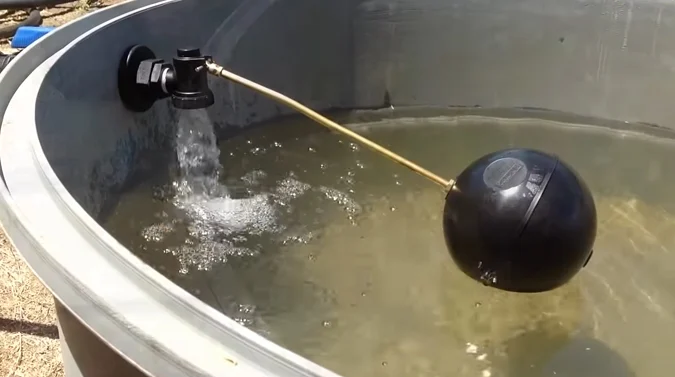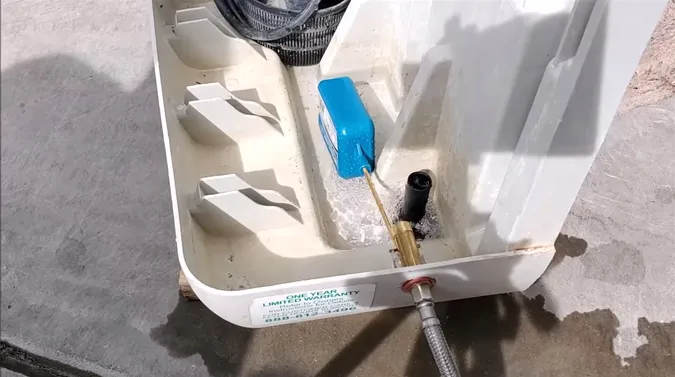
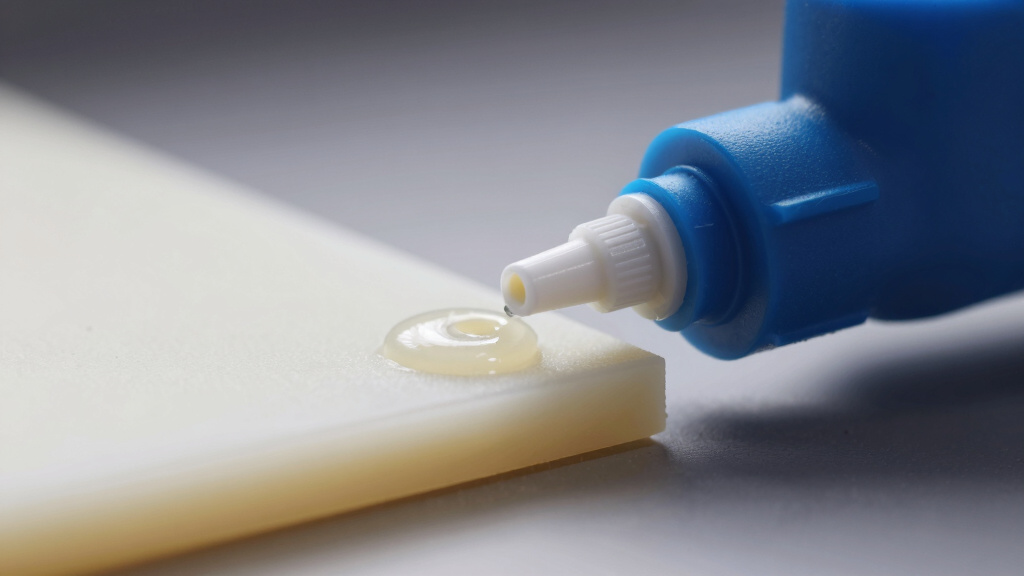
HDPE is notoriously difficult to bond because its low surface energy resists most adhesives, causing weak or failed joints over time.
The best adhesive for HDPE must offer strong chemical compatibility, sufficient viscosity for surface contact, and minimal preparation requirements to create durable, waterproof, and impact-resistant bonds.
Many common glues falter because they can’t penetrate or adhere to HDPE surfaces without primers or flame treatments, wasting time and material. The following adhesives cut through these issues to provide reliable, long-lasting fixes.
| Image | Name | Editor's Rating | Price |
|---|---|---|---|

|
Bouaegr 20g PVC Glue, Glue for ABS, Prof...
|
|
|
|
3M Scotch-Weld Structural Plastic Adhesi...
|
|
|
|
Permabond TA4631 Clear Adhesive for HDPE...
|
|
Effective Adhesive Solutions for HDPE Bonding Challenges
Mastering the art of bonding HDPE requires adhesives that deliver strength, versatility, and ease of use. Explore standout options crafted to tackle tough plastic surfaces with confidence.
1. Bouaegr Professional PVC and ABS Glue for Durable Hard Plastic and Pipe Bonding

- 【Wide Application】Suitable for all kinds of pipe, rubber, silicone, glass, Plastic, metal,jade...
- 【Super Tack】Unique instant bonding performance, which can achieve tight bonding between the same...
- 【Features】Quick repair, Safe and non-toxic,no hand injury, shockproof, high temperature...
When dealing with mixed materials like PVC, ABS, and even HDPE, finding an adhesive that manages to bond them without compromising strength can be tricky. Many adhesives struggle to maintain durability when used across different plastics and substrates. This gel-based adhesive from Bouaegr offers instant bonding with a unique formula that sets quickly while ensuring a lasting hold.
Engineered to work on a variety of surfaces including plastic, metal, glass, and silicone, it performs well for projects requiring both same-material and mixed-material connections. Its clear, colorless gel form prevents visible residue, ideal for repairs where aesthetics matter. Plus, its medium-high viscosity means it clings tightly without running, giving you more working control.
Heat resistance and shockproof properties mean bonds endure environmental stress, while the non-toxic and safe formula minimizes handling concerns. It’s also waterproof, making it a reliable choice for pipes and outdoor items that face moisture exposure.
Bouaegr provides 20ml of this versatile adhesive ready for quick repairs and professional use alike, backed by accessible customer support for any application questions that may arise.
Best for: Crafters, plumbers, and DIY enthusiasts who need a reliable adhesive that works across hard plastics, pipes, and other challenging materials.
Pros:
- Fast-setting gel formula for instant yet durable bonds
- Effective on multiple materials including HDPE, PVC, ABS, and glass
- Clear and colorless to avoid visible residue
- Waterproof and heat-resistant for lasting performance
- Non-toxic and safe to handle
Cons:
- Curing time may require support or clamping for some applications
- Gel consistency might be tricky to apply precisely without practice
2. 3M Scotch-Weld DP8005 Black Medium Viscosity Structural Plastic Adhesive 45 mL Duo-Pak
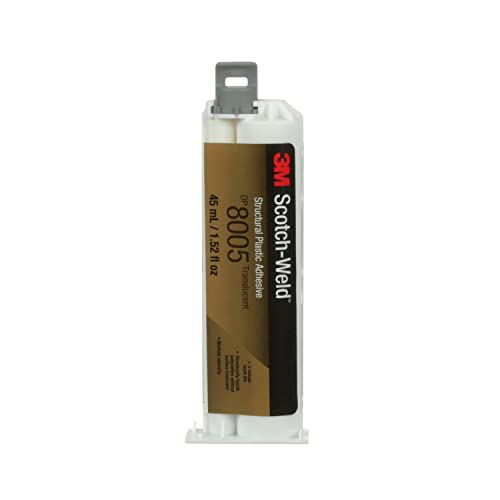
- Creates strong bond on low surface energy plastics (LSE) such as polyolefin with minimal or no...
- Resists many chemicals, water, humidity and corrosion
- Formulated to bond multi-material assemblies such as LSE plastics, thermoplastics composites and...
Repairing or bonding materials like polyolefin and other low-energy surfaces can feel like an uphill battle. Achieving a reliable hold without complex prepping steps often leaves you frustrated and out of options. 3M’s innovative solution offers a durable bond on plastics known for their poor adhesion, requiring only a simple surface wipe to prepare and no harsh primers.
Engineered for challenging assemblies, this adhesive excels in securing multi-material components including metals, composites, and thermoplastics. Its medium viscosity formula ensures precise control during application, balancing ease of use with optimal surface wetting for long-lasting adhesion.
Expect rapid progress with a manageable 3-minute working time and a firm set in around 3 hours, allowing you to carry on with projects promptly. The adhesive withstands environmental stress by resisting water, humidity, chemicals, and corrosion, ensuring your repairs hold up under tough conditions.
Included within 3M’s professional-grade lineup, this acrylic-based bonding agent brings structural strength to repairs where typical glues fail. While designed mainly for industrial and occupational use, it provides unmatched performance in fleet maintenance, composites, and difficult-to-bond plastics.
3M Scotch-Weld DP8005’s thoughtful formulation lets you repair, maintain, and fabricate with confidence where common adhesives fall short.
Best for: Professionals and technicians tackling repairs or fabrications involving challenging plastics, metals, and composite materials needing reliable, chemical-resistant bonding.
Pros:
- Strong bond on low surface energy plastics without special surface treatments
- Resistant to chemicals, water, humidity, and corrosion for durable applications
- Medium viscosity allows controlled dispensing and wet-out
- Rapid handling strength achieved in 3 hours with full cure in 24 hours
- Works on multi-material assemblies including metals and composites
Cons:
- May requires specific dispensing equipment for accurate mixing and application
3. Permabond High-Performance Acrylic Adhesive for HDPE and Diverse Materials, Low Odor, Fast Set
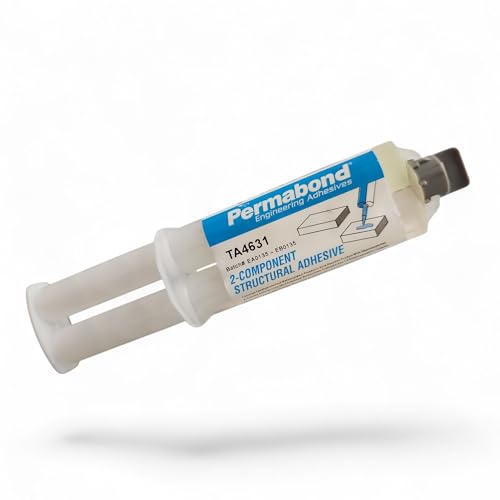
- BONDS HARD-TO-GLUE SURFACES: Creates a strong bond to, HDPE, Teflon (PTFE), Nylon (PA), Carbon...
- IMPORTANT: This product will NOT set in temperatures below 50F (10C) Make sure to keep the material...
- QUICK CURING: Sets in 12-18 minutes at room temperature with excellent impact and shear strength for...
Achieving a reliable union between challenging surfaces like polyethylene or polypropylene often demands more than typical adhesives. Permabond’s advanced acrylic formula tackles these difficult materials without the need for flame or primer treatments, making bonding simpler and less time-consuming.
Engineered for efficiency, it cures within 12-18 minutes at ambient temperatures, delivering robust impact and shear strength that endures demanding conditions. The low-viscosity liquid spreads evenly, ensuring consistent coverage and penetration on low surface energy plastics and metals.
Permabond’s solution features a low odor, no-primer requirement that suits indoor environments where minimizing fumes is important. It also provides excellent chemical resistance, maintaining bond integrity under exposure to various substances and moisture.
Thanks to its versatility, this adhesive forms lasting bonds with materials ranging from carbon fiber and nylon to various rubbers and FRP, accommodating a broad spectrum of industrial and composite applications. It supports mixing and application precision with a 1:1 ratio cartridge system, minimizing waste and complexity.
The adhesive’s ability to bond without surface pretreatment challenges the usual notion that high-performance glues need complicated preparation steps. By eliminating those, you save valuable time and reduce operational costs without sacrificing strength.
Best for: Industrial users and fabricators seeking durable adhesion solutions for difficult-to-bond plastics and mixed substrates.
Pros:
- Sets rapidly within 12-18 minutes at room temperature
- No flame or primer needed for polyolefin substrates
- Low odor suitable for indoor use
- Strong bonding on HDPE, PP, nylon, Teflon, and metals
- Excellent chemical and moisture resistance
Cons:
- Curing exposed to air may remain tacky longer before fully setting
Quick Guide: Best Adhesive for HDPE Feature Analysis
| Product Name | Material Compatibility | Cure/Set Time | Viscosity & Form | Special Features |
|---|---|---|---|---|
| Bouaegr ABS/PVC Gel Glue | ABS, PVC, PET, HDPE, LDPE, PP, PS, Glass | Fast drying; no exact set time given | Medium to High viscosity, Gel | Non-toxic, heat resistant, waterproof, shockproof |
| 3M Scotch-Weld DP8005 Acrylic | Bonding to polyolefin LSE plastics, metals, composites | 3 min work life; handling strength in 3 hours; full cure 24h | Medium viscosity, Liquid | No primer needed, chemical & water resistant, epoxy alternative |
| Permabond TA4631 Acrylic Adhesive | HDPE, Teflon, Nylon, Polypropylene, Metals | 12-18 min set time, full cure 24h | Low viscosity, Liquid (flowable) | No primer needed, low odor, chemical resistant, high impact |
What Should You Look for in HDPE Adhesives?
Choosing the right adhesive depends on how well it matches HDPE’s unique properties. Factors like curing time, viscosity, and surface prep can make or break your bond.
Material Compatibility
Material compatibility refers to how well an adhesive bonds chemically and physically with HDPE and similar plastics. HDPE’s low surface energy makes this a tricky challenge, limiting the types of adhesives that work well. Adhesives designed for polyolefins like HDPE, polypropylene, and sometimes Teflon provide a reliable bond even under stress.
Some acrylic adhesives can stick directly to HDPE without primers, but many need special surface preparation to get the best results. This extra step improves adhesion and helps avoid common problems.
Using an adhesive without the right compatibility often leads to peeling, cracking, or complete joint failure. Picking the right product upfront saves time and ensures a strong, lasting bond that stands up to wear and tear.
Cure and Set Time
Cure and set time refer to how quickly an adhesive hardens enough to handle or use bonded parts. With HDPE, a cure that’s too fast can weaken the bond, while one that’s too slow can hold up your project.
Adhesives with set times ranging from about 3 to 20 minutes strike the right balance. This window allows enough time to position parts carefully while gaining strength fairly quickly. For example, the 3M Scotch-Weld DP8005 reaches handling strength in roughly 3 hours and fully cures in 24 hours. Permabond, meanwhile, sets within 12 to 18 minutes.
Failing to match cure times can cause premature handling that compromises bond strength or long waits that slow down your workflow. Choosing the right cure time keeps your projects on track and bonds strong.
Viscosity and Form
Viscosity describes how thick or runny an adhesive is, influencing how it moves and fills gaps on HDPE surfaces. Low viscosity adhesives flow easily, seeping into tiny cracks. In contrast, gels or medium viscosity types hold their place better on vertical or uneven areas.
Gel adhesives like Bouaegr’s create waterproof, shock-resistant bonds by sticking firmly to joints. Liquids such as Permabond’s acrylic seep into micro-rough surfaces, offering a stronger mechanical grip. Choosing the right viscosity depends on your application method and the texture of the surface.
The wrong viscosity can lead to messy application, poor coverage, or weak seals. This negatively impacts the bond’s strength and longevity. Selecting an adhesive with the appropriate flow and holding power ensures a reliable, lasting connection every time.
Surface Preparation Requirements
Surface prep can make or break your project, especially with HDPE. This material often needs flame treatment, sanding, or primers to help adhesives stick properly. These steps add time and complexity to the job.
Adhesives that bond HDPE without primers or flame treatment simplify the process, reducing labor and minimizing mistakes. Brands like 3M Scotch-Weld and Permabond offer products that claim no primer is necessary, saving both effort and time.
Choosing adhesives that require extensive surface prep can lead to inconsistent bonds and lengthier projects. By selecting the right adhesive, you ensure strong, reliable adhesion while keeping prep work straightforward and efficient.
Chemical and Environmental Resistance
When working with HDPE items exposed to tough conditions, the adhesive bond must hold up against water, heat, chemicals, and impact. This ensures the joint stays strong and reliable over time.
Adhesives with waterproof, heat-resistant, and chemical-resistant properties protect the bond from breaking down. For example, Bouaegr’s gel formula offers excellent heat resistance and shock absorption. Meanwhile, 3M’s adhesive stands up to chemicals and moisture, and Permabond delivers strong impact resistance.
Choosing the right adhesive means avoiding bonds that crack, degrade, or fail under stress. This is especially important for outdoor or industrial use where conditions are harsh. With a proper adhesive, you get lasting durability and peace of mind in demanding environments.
Odor and Toxicity
Adhesives often emit fumes that vary in strength and toxicity. This matters a lot when working in tight or poorly ventilated spaces.
Choosing low-odor, non-toxic adhesives like Bouaegr’s gel or Permabond’s acrylic can significantly reduce health risks. These options allow for safer use with minimal ventilation, making them ideal for sensitive environments.
Using adhesives with strong fumes may lead to headaches, respiratory irritation, or other health issues. This can limit your ability to work comfortably or safely, especially over longer periods.
Opting for safer adhesives improves user comfort and broadens where projects can be done without worry, ensuring a better overall experience.
Frequently Asked Questions
Can the best adhesives bond HDPE without flame treatment or primers?
Many modern adhesives are designed to bond HDPE surfaces without the need for flame treatment or primers, thanks to advanced chemical formulations that interact directly with low surface energy plastics. This eliminates extra prep time and reduces complexity in repairs.
For example, acrylic adhesives like those from Permabond and 3M Scotch-Weld offer no-primer bonding capabilities, simplifying the process.
When choosing such adhesives, verify manufacturer claims and test on small areas, as some HDPE grades may still require minimal surface roughening to optimize adhesion.
What is the ideal cure time for adhesives used on HDPE?
The cure time depends on your project needs but generally, adhesives with moderate set times (between 3 and 20 minutes) provide a good balance between workability and strength development.
For instance, 3M Scotch-Weld DP8005 provides a 3-minute work life and achieves handling strength within hours, while Permabond sets in about 12-18 minutes.
Adhesives curing too fast might not achieve full bonding strength, while those curing too slowly can delay project completion.
How does viscosity influence adhesive performance on HDPE?
Viscosity affects the ability of an adhesive to spread, penetrate surface microstructures, and stay in place during curing. Gel adhesives with medium to high viscosity, like Bouaegr’s product, can prevent drips and build thicker joints, ideal for vertical surfaces.
Conversely, low viscosity liquids flow easily to fill micro gaps, improving mechanical grip on smooth HDPE surfaces.
Selecting the right viscosity ensures strong, even coverage. Too thin adhesives might run off, while overly thick ones may not fully wet the surface.
Are these adhesives resistant to water and chemicals?
Water and chemical resistance are key when choosing adhesives for HDPE surfaces. This means the adhesive can hold up in wet or harsh environments without breaking down.
For example, Bouaegr’s gel is both waterproof and heat resistant, while 3M Scotch-Weld offers strong chemical resistance without needing primers. Permabond stands out for its high impact and chemical durability.
Choosing adhesives with these resistance features ensures your bonds stay solid, especially for outdoor or industrial use.
Is odor a concern with HDPE adhesives?
Odor plays a crucial role when using HDPE adhesives, especially indoors or in tight spaces. Some adhesives emit strong fumes that can be unpleasant and even harmful.
Low-odor choices like Permabond’s acrylic or Bouaegr’s gel adhesives offer a safer and more comfortable experience by minimizing fumes. Solvent-based adhesives, on the other hand, often release strong fumes that require good ventilation to avoid irritation or nausea.
Choosing low-odor adhesives helps maintain a healthier workspace and reduces discomfort during application.
Choosing the Right Adhesive Changes How HDPE Sticks
The persistent challenge of bonding HDPE surfaces disappears when the right adhesive is chosen. Effective bonding hinges on chemical compatibility, curing behavior, and physical properties that match HDPE’s unique needs, transforming weak joins into robust connections.
Users needing quick fixes or complex assemblies should pick products like 3M Scotch-Weld for fast curing and strong multi-material bonds, while those handling delicate or odor-sensitive projects benefit from low-odor, gel-based adhesives like Bouaegr or Permabond.
Applying adhesives carefully with respect to surface prep and curing times optimizes outcomes. Beware of skipping instructions on temperature or application thickness to avoid premature bond failure or inefficient curing.
Last update on 2026-03-31 / Affiliate links / Images from Amazon Product Advertising API