
You can expect your well pressure tank to last about 10 to 15 years on average, depending on maintenance, water quality, and tank type. Bladder tanks often last 10–25 years, while air-over-water models tend to have shorter lifespans around 6–8 years.
Corrosion, bladder failure, and air charge loss are common failure causes. Regular inspections and proper sizing help extend tank life. To optimize your system and know when replacement’s necessary, there’s more key info to take into account.
Key Takeaways
- Well pressure tanks typically last between 10 to 15 years under average conditions with proper maintenance.
- Bladder tanks usually have a lifespan of 10 to 25 years, while air-over-water tanks last around 6 to 8 years.
- Corrosion, bladder failure, and air charge loss are common causes that reduce tank life, often appearing within 5 to 10 years.
- Poor water quality, such as acidic or highly mineralized water, can accelerate tank corrosion and shorten lifespan significantly.
- Frequent pump cycling and lost air charge indicate tank problems and often signal the need for replacement within the first 5 to 10 years.
Average Lifespan of Residential Well Pressure Tanks
While the lifespan of residential well pressure tanks varies widely, you can generally expect them to last between 5 and 30 years depending on quality, maintenance, and water conditions.
Typically, standard tanks have a baseline lifespan of 10 to 15 years, with an average around 15 years. Bladder tanks usually last longer, ranging from 10 to 25 years, while air-over-water tanks average 6 to 8 years. Premium models and those constructed from stainless steel can reach up to 20 or even 30 years with proper care.
Factors such as tank material, water quality, and correct sizing influence longevity. Proper maintenance, including maintaining the tank’s optimal pressure setting, helps ensure consistent operation and extends life.
Consistent maintenance can extend a tank’s useful life beyond the typical range, ensuring reliable performance and structural integrity over time. Monitoring water quality and addressing any sediment buildup or corrosion risks are also vital to prolong tank lifespan.
Common Failure Modes and Typical Timing
You know, when it comes to bladder or diaphragm failures, they usually pop up within the first 5 to 7 years.
It’s pretty common and can lead to those annoying pressure drops and water sputtering. Regular maintenance and inspection can help detect bladder tank issues early to avoid sudden failures.
Then, there’s corrosion and leaks. These don’t happen overnight; they take a while to develop, but when they do, they can really weaken the tank structure and cause water loss.
And let’s not forget about air charge loss. It’s sneaky because it happens gradually, but it can really mess with your pressure regulation. This, in turn, increases how often your pump has to cycle, which is definitely something you want to keep an eye on.
A well-maintained pressure tank helps preserve well pump life by reducing pump cycling frequency.
Bladder and Diaphragm Failures
Because bladder and diaphragm components endure constant pressure changes and mechanical stress, they commonly fail through fatigue, material degradation, or air loss.
You’ll find that repeated flexing causes thinning and eventual tears, especially near fittings where extrusion or neck damage occurs. Abrasion against internal screens can also produce stress cracks.
Over time, air permeates through the bladder, leading to waterlogging and increased cycle frequency, which accelerates failure. Additionally, a failing check valve can contribute to increased cycling which shortens bladder life.
Typically, you’ll notice air loss and waterlogging within 1–5 years if maintenance lapses. Fatigue-related tears usually develop over 7–25 years, depending on bladder material like butyl or EPDM and operating conditions.
Factors such as frequent pump cycling, incorrect precharge, elevated temperatures, and chemical exposure further reduce lifespan. Premium tanks often outlast cheaper models, sometimes exceeding 30 years under ideal conditions.
Additionally, regular maintenance significantly contributes to extending the operational life of pressure tanks by preventing common failures.
Corrosion and Leaks
Although pressure tanks are designed to withstand internal pressures, corrosion remains a primary cause of leaks and structural failure. Poor water quality, especially acidic or hard water, accelerates corrosion at threaded connections and internal surfaces.
Corrosion types include pitting near metal defects, uniform corrosion over tank walls, and galvanic corrosion between dissimilar metals, all weakening tank integrity. Regular maintenance and monitoring can help mitigate the effects of mineral scale buildup that contribute to corrosion.
Common indicators you should watch for are:
- Rust or corrosion buildup on the tank exterior and fittings.
- Slow drip leaks at brass tank tee connections.
- Sudden pinhole leaks caused by pitting corrosion.
Typically, tanks last 10-15 years before corrosion impacts them, but this can shorten to under 3 years in aggressive water conditions. Independent fabricators sometimes selected based on lower prices may use materials that accelerate corrosion.
Air Charge Loss
Frequently, air charge loss in pressure tanks leads to waterlogging, causing the tank to fill with excess water as the bladder ruptures and displaces the air cushion.
You’ll notice rapid pump short cycling, fluctuating water pressure, and the tank feeling heavy with no air sound when tapped. Water may leak from the air valve, confirming bladder failure and internal pressure drops.
Faucets might spit water or produce pulsating flow due to unstable pressure below the cut-in range (20-40 psi).
To diagnose, power off the pump, drain the tank, and measure air pressure with a tire gauge; a consistent drop indicates bladder rupture requiring full tank replacement since the bladder isn’t serviceable.
Checking the pressure tank air charge regularly is essential to maintain proper system operation and prevent such failures pressure tank air charge. Regular maintenance should include inspecting connected components like the submersible well pump for optimal system performance.
Addressing air charge loss promptly prevents pump overheating and premature failure, typically occurring 5-10 years into tank operation.
Factors That Can Shorten Tank Lifespan
Hey there! It’s really important to understand that water quality plays a huge role in how quickly tanks can corrode and accumulate sediment. This buildup can seriously mess with the internal parts of the tank.
Also, have you noticed how frequent pump cycling can lead to increased wear and tear? It puts a lot of strain on the bladder and pressure switch, which can speed up their failure. Using reliable fittings can help maintain system integrity despite these stresses.
That said, keeping everything properly installed and sticking to a regular maintenance routine is key. Regular maintenance doing so can really help prevent premature degradation of your tank and extend its service life. So, make sure you’re on top of these things!
Water Quality Impact
When water quality deteriorates, it directly accelerates the degradation of your well pressure tank. Poor water conditions cause corrosion, scaling, and sediment buildup, all of which reduce tank lifespan. Surface water intrusion often introduces organic matter and minerals that exacerbate these issues.
Here are three critical water quality factors impacting your tank:
- Acidic Water: Low pH levels promote rapid corrosion and pitting in steel tanks, cutting life expectancy from 10-15 years to under 10 without neutralizers.
- Hard Water: High calcium and magnesium cause mineral scale that damages diaphragms and clogs systems. Water softeners are necessary to avoid premature failure. Regular maintenance and monitoring can help mitigate damage caused by these minerals and prolong tank life by preserving the diaphragm and bladder.
- Sediment and Particulates: Sediment abrades internal linings and fosters corrosion, leading to blockages and reduced efficiency. Regular testing helps detect this early. Additionally, the accumulation of oxidized iron particles from iron contamination can further accelerate sediment buildup and wear.
Managing these factors through water treatment and monitoring is essential to maintain your tank’s integrity and extend its service life.
Pump Cycling Frequency
Pump cycling frequency markedly affects the lifespan of your well pressure tank by increasing mechanical and electrical wear. Frequent pump starts caused by undersized tanks, low drawdown volume, or tight pressure switch differentials accelerate component fatigue.
A ruptured bladder or low well yield also raises cycle counts, stressing the pump and tank. The pressure switch plays a crucial role by detecting preset limits to control pump cycling and prevent frequent pump cycling. Using a well pump controller can help manage cycling by optimizing pump activation based on demand.
| Cause | Effect on Cycling |
|---|---|
| Undersized Tank | More frequent pump starts |
| Tight Pressure Switch Settings | Increased cycle count |
| Bladder Failure | Immediate pump activation |
| Low Well Yield | Longer, frequent runtimes |
Reducing cycling frequency is critical to extend tank and pump service life. This can be achieved by optimizing tank size, pressure settings, and bladder condition to match household demand and well performance.
Installation and Maintenance
Minimizing pump cycling extends your well pressure tank’s lifespan, but proper installation and ongoing maintenance play equally significant roles in preserving tank integrity.
Incorrect sizing or improper mounting can increase stress and expose your tank to damage. Additionally, protecting your tank from hazards like flooding and freezing is essential to prevent premature failure. Choosing a protected installation location can also enhance the tank’s durability by shielding it from harsh environmental conditions.
Failing to pre-charge air properly accelerates bladder wear, while poor water quality causes corrosion and sediment buildup that degrade internal components. The water quality directly influences how long your tank can function effectively.
To protect your tank, focus on these key areas:
- Ensure correct sizing and secure mounting to prevent undue stress and vibrations.
- Maintain proper air pre-charge and pressure settings to avoid bladder fatigue.
- Perform regular inspections and cleanings to detect leaks, sediment buildup, and corrosion early.
Maintenance Practices to Extend Service Life
Regularly checking and adjusting the air charge is essential to maintaining your well pressure tank’s peak performance and extending its service life. Understanding the key components of your well system helps you recognize when the pressure tank or related parts need attention.
Measure static air pressure with the pump off and tank drained, targeting pump cut-in minus 2 psi. Adjust air with a compressor as needed, avoiding overinflation to protect the bladder.
Inspect the Schrader valve and cap for leaks, replacing faulty parts promptly. Prevent waterlogging by draining excess water and inspecting check and foot valves for backflow.
Maintain pressure switch and fittings by checking for corrosion, tight connections, and accurate cut-in/out settings; replace faulty gauges. Protect the tank from corrosion and freezing by applying rust inhibitors, insulating pipes, and installing on stable platforms.
Signs Indicating It’s Time to Replace Your Tank
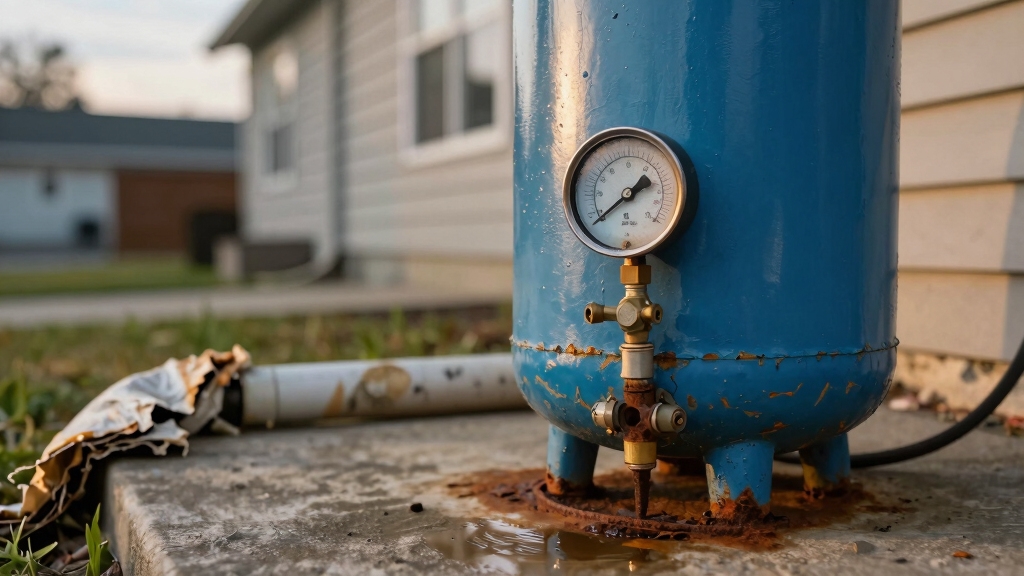
Even with careful maintenance, wear and internal damage can compromise your well pressure tank’s function over time. Recognizing signs that indicate replacement is essential to prevent system failure and costly repairs.
Watch for these critical indicators:
- Water Pressure Fluctuations: Inconsistent pressure or pressure drops during use often signal bladder degradation or lost air charge.
- Frequent Pump Cycling: If your pump cycles rapidly or more than every 1-2 minutes, the tank is likely waterlogged, increasing wear on components. This short cycling is a common symptom that the tank needs to be drained or replaced to restore proper operation. Regular maintenance checks can help detect this issue early before it worsens.
- Visible Leaks and Corrosion: Rust, leaks around fittings, or wet spots near the base indicate structural failure or seal breakdown.
Additionally, unusual noises or water quality changes such as sediment or discoloration further confirm internal damage. Monitoring the tank pressure with a pressure gauge helps identify performance issues early. Address these promptly by inspecting and replacing your tank as needed to maintain system integrity.
Comparing Different Types of Pressure Tanks
When choosing a well pressure tank, you’ll need to weigh the differences in design, durability, and maintenance among the main types: bladder, diaphragm, air-over-water (AOW), air-volume-control (AVC) systems, and composite models.
Bladder tanks feature a replaceable internal bladder, offering long service life and easy maintenance. Diaphragm tanks use a fixed diaphragm, often less serviceable but durable depending on material quality.
AOW tanks hold water and air in a single chamber, risking quicker waterlogging and corrosion, which shortens lifespan. AVC systems improve on AOW by automatically maintaining air volume, reducing maintenance and extending life, though they rely on valve reliability.
Composite tanks employ nonmetal shells to resist corrosion, with longevity tied to the internal bladder or diaphragm quality and manufacturing standards. Some composite tanks also feature antimicrobial liners that neutralize bacteria on contact, enhancing water quality and tank hygiene.
Cost Considerations for Replacement Tanks

Understanding the cost factors involved in replacing a well pressure tank helps you plan your budget effectively. Knowing what affects well pressure tank replacement costs aids in smart budgeting decisions. Replacement expenses typically range from $800 to $1,500 nationally, including professional installation.
Key cost components to contemplate are:
- Equipment: Tank prices vary widely, from $100 for small diaphragm units to over $2,500 for large steel tanks.
- Labor: Installation labor rates average $75–$200 per hour, with total labor costs between $250 and $1,000 depending on site complexity. Labor cost is a significant factor influenced by job complexity and local rates.
- Additional Costs: Site accessibility, extra parts like fittings or pressure switches, and disposal fees can add several hundred dollars.
Tips for Selecting the Right Tank for Your Well System
Although selecting the right well pressure tank involves several factors, matching tank size to your pump capacity and household demand is essential for system efficiency and longevity.
Start by calculating drawdown capacity, which should equal about 20% of your pump’s nominal capacity. For example, a 10 GPM pump requires a 10-gallon drawdown, often met by a V100 tank.
Larger pumps, like a 25 GPM with a 3 HP motor, need 50 gallons drawdown. Two V250 or V260 tanks fit this need. Set your pressure range appropriately: 30-50 psi for moderate demand or 40-60 psi for larger homes. Maintain a typical system pressure change of around 20 psi pressure differential to ensure proper tank performance.
Remember, higher pressure reduces drawdown, so compensate with larger tanks. Accurate sizing reduces pump cycling, extends motor life, and guarantees sufficient water supply during peak demand.
Frequently Asked Questions
Can I Install a Well Pressure Tank Myself or Should I Hire a Professional?
You might think installing your well pressure tank yourself saves money, but coincidence shows many DIYers face leaks or frequent pump cycling soon after.
If you have the right tools and understand air pressure settings, you can do it, but professionals guarantee proper sizing, code compliance, and avoid costly mistakes.
Hiring an expert reduces risks of early failure, voided warranties, and hidden issues, making it a smarter, safer choice for long-term reliability.
How Does Well Pressure Tank Size Affect Water Pressure Consistency?
Well pressure tank size directly affects water pressure consistency by controlling drawdown volume. A larger tank provides greater drawdown, reducing pump cycling frequency and stabilizing pressure during water use.
If your tank’s too small, you’ll experience rapid pressure fluctuations and short-cycling, stressing the pump and causing uneven flow. Proper sizing guarantees steady pressure, longer pump life, and efficient operation.
Match tank volume to pump capacity and system demand for peak performance.
What Is the Environmental Impact of Disposing Old Well Pressure Tanks?
You mightn’t realize that disposing of old well pressure tanks can seriously harm the environment. Corroded metals and hazardous paint leach toxins into soil and groundwater.
Residual fluids inside often carry harmful chemicals and biofilms that disrupt ecosystems. Improper disposal risks heavy metal contamination, regulatory violations, and toxic dust exposure.
To minimize impact, you must guarantee thorough cleaning, proper classification, and use certified recycling or disposal methods.
Are There Smart Monitoring Systems Available for Well Pressure Tanks?
Yes, smart monitoring systems for well pressure tanks are available. You can choose from cellular-based, Wi-Fi-enabled, Bluetooth, integrated controllers, or third-party IoT sensor kits.
These systems track pump cycles, tank air pressure, water pressure, flow rates, and electrical parameters. They send real-time alerts, offer remote diagnostics, and support predictive maintenance.
While installation can be complex and connectivity-dependent, these technologies help you extend equipment life and optimize well system performance.
How Do Seasonal Temperature Changes Affect Well Pressure Tank Performance?
Imagine your well pressure tank shivering in winter, cracking like an old man’s joints, then sweating profusely in summer like it’s in a sauna.
Seasonal temperature swings stress your tank’s materials, causing air pressure fluctuations, bladder wear, and corrosion. Cold contracts metals and stiffens parts, while heat softens bladders and encourages mineral buildup.
These cycles accelerate fatigue, reducing efficiency and lifespan, so you need to monitor and maintain your tank accordingly.
Protect Your Water System from Unexpected Downtime
A well pressure tank typically lasts between 7 to 15 years, with steel tanks averaging around 10 years before corrosion sets in. You can extend its life by regularly checking the air charge and inspecting for leaks.
Ignoring maintenance often leads to premature failure, costing you more in repairs or replacements. By understanding these factors and choosing the right tank type, you’ll guarantee reliable water pressure and avoid unexpected system downtime.