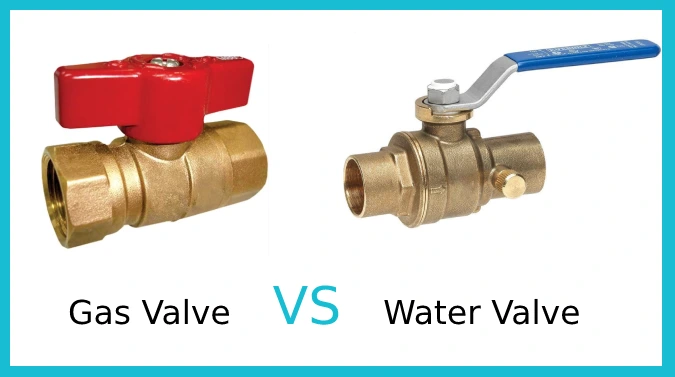

Power vent water heaters use an electric fan to expel exhaust through flexible PVC pipes, relying mostly on indoor air. This can raise backdraft risks in tight homes.
Power direct vent models draw sealed combustion air from outside through rigid, coaxial pipes. This enhances safety and reduces conditioned air loss but costs more upfront.
You get greater installation flexibility and quieter operation with power vent, while direct vent offers long-term efficiency gains. Explore their differences further to identify which suits your needs best.
Key Takeaways
- Power vent water heaters use a fan to expel exhaust through flexible PVC or ABS pipes, allowing longer and more versatile vent runs.
- Power direct vent water heaters draw sealed combustion air from outside via rigid coaxial pipes, minimizing indoor air dependency and backdraft risk.
- Power vent units generally cost less and have simpler installations, while power direct vent units have higher upfront costs but better long-term energy savings.
- Power direct vent systems reduce carbon monoxide risks by sealing combustion chambers, whereas power vent systems rely on indoor air unless external intake is added.
- Power vent heaters produce some operational noise from the fan, while power direct vent units operate more quietly due to sealed combustion and natural draft.
Comparison Table of Power Vent or Power Direct Vent Water Heater
| Feature | Power Vent Water Heater | Power Direct Vent Water Heater |
|---|---|---|
| Venting Method | Electric fan pushes exhaust through horizontal PVC pipes | Sealed combustion with coaxial pipes (intake + exhaust) |
| Combustion Air Source | Draws air from indoor environment | Draws air exclusively from outside |
| Installation Flexibility | High – horizontal/vertical routing up to 15 feet | Limited – requires rigid sidewall or vertical termination |
| Electrical Requirement | Requires 120VAC power for blower fan | Requires power for blower; some models use natural draft |
| Noise Level | 68-78 dB – steady fan noise | Higher – fan noise plus combustion rumble |
| Backdraft Risk | Moderate – vulnerable to indoor pressure changes | Minimal – sealed system prevents backdrafting |
| Energy Efficiency | Lower gas consumption but requires electricity | Higher gas use, no electricity needed (natural draft models) |
| Initial Cost | Lower – simpler venting system | Higher – dual blowers and specialized venting |
| Long-Term Operating Cost | Higher due to conditioned air loss | Lower – better energy savings over 10-15 years |
| Power Outage Performance | Will not operate without electricity | Natural draft models continue with standing pilot |
| Maintenance Needs | Blower motor and air intake filter care | Flue pipe inspection for corrosion |
| Safety Features | Fan-assisted exhaust reduces carbon monoxide risk | Sealed combustion eliminates indoor air contamination |
| Best For | Flexible placement, budget-conscious buyers | Energy efficiency, tight homes, long-term savings |
Definition and Mechanism of Power Vent Water Heaters
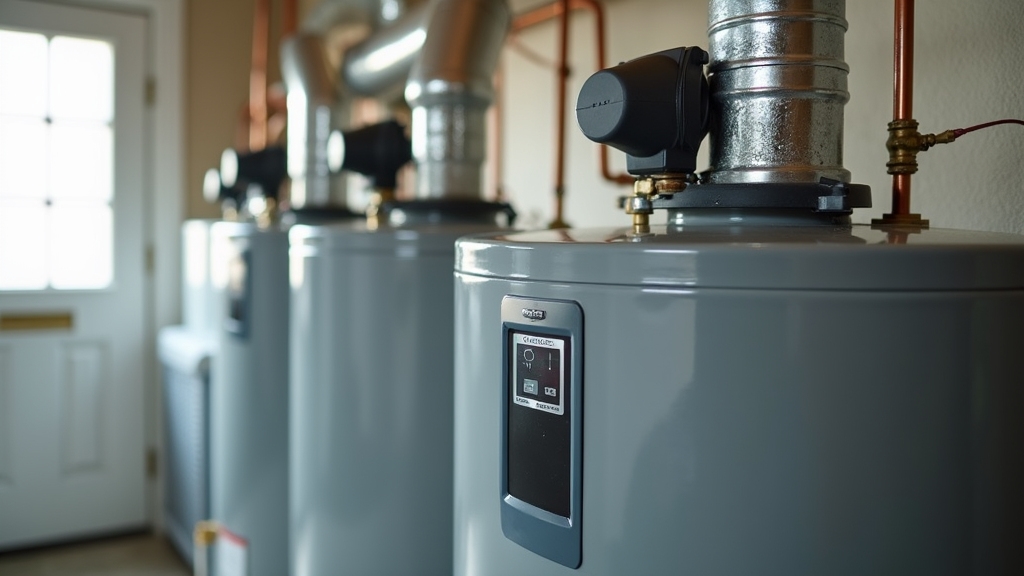
Although traditional water heaters rely on natural draft venting, power vent water heaters use a built-in fan to actively push exhaust gases out through horizontal vent pipes.
Power vent water heaters use a fan to actively expel exhaust through horizontal vents, unlike traditional natural draft systems.
This powered fan creates positive pressure, forcing combustion gases safely outside, unlike natural draft systems that depend on buoyancy. The fan activates before the burner ignites, ensuring continuous exhaust removal during operation.
This venting system also releases water vapor and carbon dioxide to prevent buildup. Proper maintenance of the fan and vent components can ensure long-term reliable operation.
This design allows you to install vent pipes horizontally using PVC or similar materials, which are easier and cheaper than metal ducts. You’ll also benefit from reduced backdraft risk, lowering carbon monoxide hazards considerably.
Proper vent slope and condensate kits are essential to prevent moisture damage from condensation forming inside the vent pipes. These precautions are important to avoid water damage and corrosion that could impair the venting system.
Understanding Direct Vent Water Heater Operation
When you choose a direct vent water heater, you benefit from a sealed combustion system that draws all its air from outside, ensuring indoor air quality remains unaffected. This system uses a coaxial vent pipe, where fresh air enters through the outer pipe and exhaust gases exit via the inner pipe.
Relying on natural buoyancy, hot exhaust fumes vent without mechanical fans, reducing noise and failure points. The sealed chamber maintains positive pressure, preventing backdrafting and indoor contamination. Installation requires precise venting through exterior walls to comply with safety standards and avoid carbon monoxide buildup.
Temperature control sensors optimize combustion efficiency while safe exhaust removal protects living spaces. Compared to power vent models, direct vent units operate quietly and with fewer mechanical components, emphasizing reliability and safety.
Many models also do not require electrical outlets for venting, relying entirely on natural convection. Their energy efficiency is enhanced by eliminating the need for mechanical venting, reducing operational costs and wear.
Installation Flexibility and Location Options
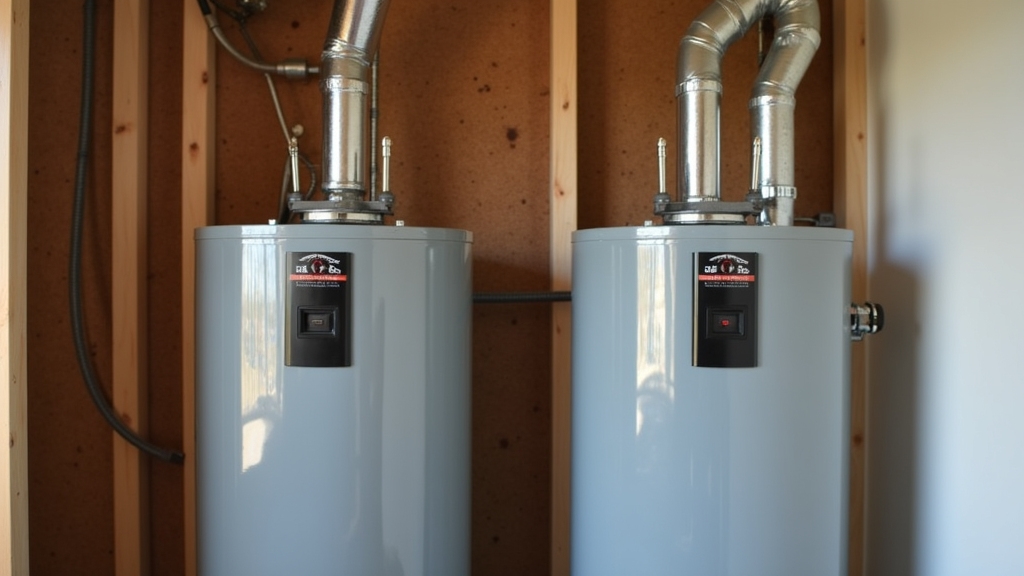
When you’re looking to install power vent or power direct vent water heaters, think about the venting length flexibility. If you don’t route the venting correctly, it can actually affect how well the system works and whether it meets code requirements.
Power vent water heaters use an electric blower fan to push exhaust through the venting system, allowing for horizontal or vertical venting which increases installation options.
Also, keep in mind that there are some placement constraints. For instance, you’ll need to consider how close you can place the unit to exterior walls and what the clearance requirements are. Proper placement is critical to ensure effective pressure regulation and safety.
This can limit your options for positioning the water heater safely. And don’t forget about accessibility! You want to make sure that electrical connections for the blower are easy to get to.
Venting Length Flexibility
Because power vent water heaters use a blower fan to actively push exhaust gases, they offer greater venting length flexibility than traditional atmospheric units. This allows you to route vent pipes both vertically and horizontally with longer runs.
You can use PVC, ABS, or CPVC piping, which simplifies installation and reduces corrosion risks compared to metal pipes. Power vent water heaters are often favored because they promote energy savings by utilizing exhaust heat for water heating, making them more efficient.
Energy savings Their design also requires electrical outlets to power the blower, similar to backup power systems. Power direct vent heaters also utilize a blower but require specialized coaxial vent pipes combining intake and exhaust. This limits diameter options and demands a minimum separation between terminals.
Both systems mandate electrical outlets to power blowers, enabling longer vent runs independent of natural draft. While power vent systems provide more straightforward vent routing, power direct vent units necessitate precise sealing and spacing to maintain safe combustion airflows. This impacts your venting design decisions.
Placement Constraints
Although power vent and power direct vent water heaters offer greater installation flexibility compared to traditional gravity vent systems, you must carefully consider placement constraints to guarantee safety and code compliance.
You can install these units indoors, outdoors, or in garages, but must maintain proper clearances and ensure vent termination distances meet local codes. Horizontal venting and through-the-wall options simplify placement, yet access to utilities and combustion air is critical.
Garage installations require elevation and possible protection.
| Placement Factor | Requirement/Note |
|---|---|
| Clearance to combustibles | 1″ for double-wall, 6″ for single-wall |
| Vent termination | Min. 4′ from property line |
| Garage installation | Elevated, may need protective bollards |
Failing to observe these constraints risks code violations and operational hazards. The sealed construction of these units enhances reliability by reducing the risk of leaks and simplifies maintenance.
Electrical Requirements
Ensuring a reliable 120VAC electrical power supply is essential for operating the blower fans in both power vent and power direct vent water heaters. Installation flexibility and location hinge on electrical requirements that affect performance and safety.
You must consider:
- Dedicated circuits are preferred to prevent overload and ensure stable blower operation.
- Outlet proximity influences wiring options; a grounded, three-wire receptacle within 6 feet is usually required.
- Hardwired conduit connections may be mandated by local codes, especially if flexible cords aren’t permitted.
- Avoid controlling power via wall switches or lighting breakers to prevent unintentional shutdowns.
Power direct vent models often demand more complex wiring due to additional blower controls. Always adhere to local electrical codes and ensure proper grounding to maintain operational reliability and safety.
Electrical problems such as voltage fluctuations can negatively impact the performance of the blower fans, making stable power supply critical for consistent operation.
Energy Efficiency and Fuel Consumption Comparison
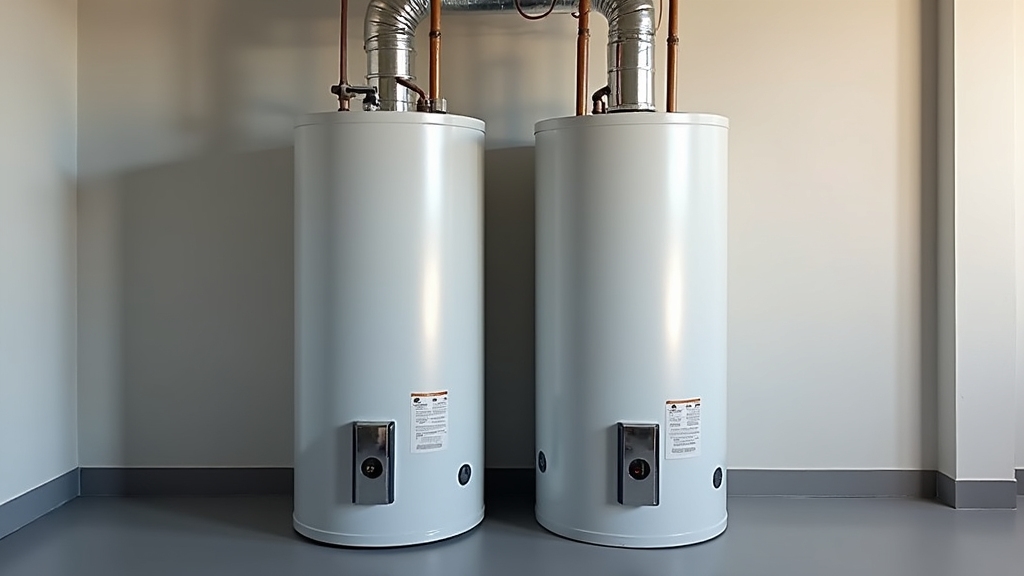
When you compare fuel usage, you’ll find that direct vent water heaters usually consume less energy. This is mainly because they utilize natural draft venting and outdoor air for combustion.
On the other hand, power vent models depend on electric fans, which can increase electricity consumption. As a result, they might lower the overall efficiency of the system.
Additionally, power vent water heaters require electricity to operate their blower or fan, which adds to their total energy consumption. Choosing components made of durable materials, such as brass valves, can also improve the longevity and efficiency of heating systems.
Fuel Usage Differences
Because power vent water heaters incorporate an electrically powered blower fan to expel combustion gases, they consume additional electricity beyond the fuel used for heating. Yet this design enhances combustion efficiency and reduces natural gas consumption per unit of hot water compared to direct vent models.
When evaluating fuel usage differences, consider:
- Power vent units optimize fuel gas use by maintaining stable combustion conditions through forced venting, similar to how a check valve ensures efficient flow control in pump systems.
- Direct vent heaters avoid electricity use but can experience higher fuel consumption due to natural draft heat losses.
- Power vent systems minimize cold air infiltration, lowering overall fuel demand in heated spaces.
- Direct vent units rely on outside air intake, preventing indoor air loss but may indirectly increase building heating fuel needs in cold climates. These units are ideal for condominiums or tight spaces where additional venting retrofit is impractical.
This balance results in power vent models generally consuming less fuel gas, offsetting their additional electric energy use.
Efficiency Benefits Comparison
Understanding fuel usage differences sets the stage for comparing overall efficiency benefits between power vent and direct vent water heaters.
Power vent models reduce gas consumption via fan-assisted combustion, improving energy efficiency and lowering operational costs. However, these units require electricity to operate fans, introducing a mixed energy profile.
Additionally, power vent systems provide freedom of location, allowing installation in a wider range of spaces which can further optimize energy use by placing the unit in the most efficient spot. Proper venting and system maintenance are essential to prevent issues like water hammering that can affect operational efficiency.
Direct vent heaters rely solely on natural draft, consuming more gas but no electricity. Installation flexibility with power vent units also enables efficiency gains through optimal placement. Below is a comparative summary:
| Aspect | Power Vent Water Heater | Direct Vent Water Heater |
|---|---|---|
| Gas Consumption | Lower due to fan-assisted combustion | Higher, natural draft reliant |
| Electricity Usage | Requires electric blower | No electricity needed |
| Installation Flexibility | Horizontal/long vent runs possible | Requires vertical chimney vent |
| Safety Enhancements | Sensors reduce backdraft and hazards | Limited vent blockage detection |
You’ll find power vent systems offer superior overall efficiency when balancing fuel and electricity use.
Noise Levels and Operational Sound Differences
Although both power vent and power direct vent water heaters rely on motorized fans to expel combustion gases, their noise profiles differ considerably in source and character.
Power vent models generate a steady fan noise around 68-78 dB, similar to a bathroom exhaust fan. Many systems also incorporate timer-controlled operation to optimize efficiency and reduce unnecessary noise during idle periods.
Power vent water heaters emit steady fan noise comparable to a typical bathroom exhaust fan, around 68-78 dB. In contrast, power direct vent (PDV) units add a low-pitched combustion rumble, increasing overall noise complexity.
Consider these operational sound differences:
- Power vent noise is a consistent white noise from the fan.
- PDV units produce both fan noise and a distinct burner rumble.
- Noise intensity varies with water usage and heating cycles. Low-frequency resonances transmitted via piping can cause audible rumbling in adjacent rooms, especially when vibrations are transmitted through rigid pipe mountings.
- Installation location and vent materials influence perceived sound levels.
Understanding these factors helps you anticipate noise impact and select the appropriate system for your environment.
Safety Considerations and Backdraft Risks
When you look at backdraft risks, it’s pretty clear that power direct vent water heaters have an advantage. They draw combustion air straight from outside, which helps minimize hazards.
In contrast, power vent models pull air from indoors, and that can create some serious negative pressure issues. Testing for draft should simulate worst-case scenarios with all windows and doors closed and exhaust fans on to ensure safe operation combustion air testing.
Now, it’s important to think about installation, too. If a system isn’t installed properly or if there’s damage to the vent, both types of heaters can become dangerous. You could end up with carbon monoxide buildup, and that’s not something you want to mess around with.
Backdraft Risk Comparison
Since backdraft poses a serious safety hazard by pulling combustion gases into living spaces, comparing venting methods’ ability to prevent it is essential.
Direct vent water heaters draw combustion air exclusively from outside, minimizing backdraft risk by isolating combustion from indoor air pressure fluctuations. This design eliminates backdrafting risk, enhancing occupant safety.
In contrast, power vent models rely on indoor air, making them vulnerable if negative pressure occurs. Power direct vent systems enhance safety by using a powered blower to manage intake and exhaust separately, reducing backdraft potential.
Key distinctions include:
- Direct vent uses outside air, limiting backdraft.
- Power vent depends on indoor air, increasing risk.
- Power direct vent actively controls airflow with a blower.
- Proper installation and maintenance are critical across all types to prevent backdraft.
Combustion Air Sources
Because combustion air directly affects both safety and efficiency, understanding its source is critical when selecting or installing power vent and power direct vent water heaters.
Power direct vent units draw sealed combustion air exclusively from outside through dedicated ducts, eliminating indoor air dependency and minimizing backdraft risks.
Conversely, power vent water heaters typically rely on indoor atmospheric air unless supplemented by proper external air intakes. In airtight buildings, this reliance can cause combustion air starvation, leading to incomplete combustion and hazardous conditions.
You must guarantee combustion air intakes remain permanently open, unobstructed, and properly sized per code (e.g., NFPA 54). Avoid temporary openings like windows.
Proper combustion air management prevents backdraft, fire hazards, and flammable gas accumulation. Careful evaluation of building tightness and ventilation is essential for safe operation.
Because modern homes often have unusually tight construction, relying on indoor air for combustion can be especially dangerous without adequate external air supply.
Carbon Monoxide Safety
Although power vent and power direct vent water heaters incorporate mechanisms to control exhaust gases, you must remain vigilant about carbon monoxide (CO) safety.
Backdrafting can force toxic CO gas indoors, posing a severe health hazard. Power direct vent systems minimize this risk by sealing combustion air and exhaust. Power vent units rely on a fan, which is vulnerable to blockages or failures.
To ensure safety, you should:
- Install CO detectors near heaters and living spaces for early detection.
- Inspect vents for soot, melted plastic, or unusual odors indicating backdraft.
- Avoid shared venting without professional assessment to prevent airflow conflicts.
- Monitor household pressure imbalances which may induce backdraft during HVAC operation, as negative pressure in basements can draw exhaust gases back inside.
These steps reduce CO exposure risks and enhance your water heater’s safe operation.
Initial Costs and Long-Term Financial Impact
When evaluating initial costs and long-term financial impact, you’ll find that power vent water heaters typically require a lower upfront investment than power direct vent models.
Power direct vent units incorporate dual blowers and specialized venting kits, driving higher manufacturing and installation expenses. This includes more complex labor and materials for intake and exhaust piping.
These systems often involve coordination with key figures like executive directors or notable guests during installation in organizational settings. Conversely, power vent models use simpler venting systems and flexible PVC piping, lowering initial outlays.
However, over a 10-15 year lifespan, power direct vent water heaters often yield greater energy savings. They draw combustion air externally, reducing conditioned air loss and lowering utility bills. Additionally, they may qualify for higher rebates.
While power vent units cost less initially and are widely available, their higher operating costs can erode savings. This makes power direct vent systems financially advantageous in the long term, especially in extreme climates.
Maintenance Requirements and Repair Concerns
Maintaining power vent and power direct vent water heaters requires consistent attention to both mechanical components and safety features to guarantee peak performance and longevity.
You must service these units annually, focusing on flushing sediment, inspecting anode rods, and cleaning burners. It is also important to turn off water heater and power source before servicing to ensure safety.
Power vent models need special care for the blower motor and air intake filters. Direct vent units demand vigilant inspection of flue pipes for corrosion.
Key maintenance tasks include:
- Unplugging the blower assembly before servicing power vent heaters to avoid electrical hazards.
- Checking T&P relief valves for leaks or malfunction in both systems.
- Cleaning air intake filters regularly on power vent models to sustain combustion efficiency.
- Inspecting vent pipes in direct vent units to detect blockages or corrosion early.
Addressing these elements minimizes repair risks and extends unit lifespan.
Venting Length and Configuration Limitations
Since proper venting is critical to safe and efficient operation, you must carefully consider the venting length and configuration limits of power vent and power direct vent water heaters.
Power vent models allow longer vent runs, typically up to 15 feet horizontally with 2-inch PVC. Their electric blower forces exhaust through flexible paths, including horizontal or vertical routes. These systems often use plastic pipes like Schedule 40 PVC or Schedule 80 CPVC to handle the lower temperature flue gases safely.
Power vent water heaters enable flexible, extended vent runs up to 15 feet horizontally using 2-inch PVC. You can navigate around obstacles and run vents through walls or roofs within manufacturer limits to prevent overheating or inefficiency.
In contrast, power direct vent units require two sealed pipes for intake and exhaust, limiting venting options to usually rigid sidewall or vertical terminations near the appliance. This design restricts vent length and configuration flexibility compared to power vent systems.
Power vent systems also permit various PVC or CPVC materials suited for condensate management and safety clearances.
Electrical Dependency and Power Outage Behavior
Although both power vent and direct vent water heaters rely on gas combustion, their dependence on electricity and behavior during power outages differ markedly.
Power vent models require electricity to run the blower fan, which is essential for venting and safety interlocks. Without power, they won’t operate or provide hot water.
Direct vent units rely on natural draft venting, so they don’t need electricity for exhaust. However, their ignition systems affect outage performance.
Standing pilot lights continue functioning, while electronic ignitions fail without power. Key points to contemplate:
- Power vent heaters shut down entirely during outages due to blower dependency.
- Direct vent units with standing pilots provide uninterrupted hot water.
- Electronic ignition in either system stops operation without electricity.
- Backup battery options for power vents are rare and not standard.
Frequently Asked Questions
Are Power Vent Water Heaters Compatible With Solar Water Heating Systems?
Yes, power vent water heaters are compatible with solar water heating systems. You can integrate them using direct preheating or twin-coil cylinders, allowing solar energy to reduce the load on your backup heater.
Proper sizing and professional installation guarantee maximum efficiency and fuel savings.
Do Power Vent Units Require Special Permits for Installation?
You probably don’t want the city inspector crashing your barbecue, so yes, power vent units do require special permits.
These fans aren’t just fancy gadgets; they alter venting dynamics, demanding mechanical permits and sometimes plumbing or electrical ones.
You’ll need to submit detailed plans showing vent type, length, and termination spot.
Skipping permits risks fines, failed inspections, or worse, safety hazards like carbon monoxide buildup.
Can Direct Vent Water Heaters Be Installed in Mobile Homes?
Yes, you can install direct vent water heaters in mobile homes, provided they meet HUD regulations and mobile home-specific design requirements.
These units use sealed combustion, drawing air from outside and venting vertically through the roof, ensuring safety and code compliance.
You’ll need to follow strict clearance, ventilation, and strapping guidelines to accommodate mobile home movement and confined spaces.
This prevents combustion gas leaks and ensures efficient, safe operation tailored for mobile home environments.
What Is the Typical Lifespan Difference Between Power Vent and Direct Vent Heaters?
You’ll find the typical lifespan difference between power vent and direct vent water heaters is minimal.
Power vent models last about 10 years on average, while direct vent units range from 8 to 12 years.
Both depend heavily on maintenance and water quality.
Power venters add blower fan components that may require extra upkeep but don’t drastically affect longevity.
In essence, you shouldn’t expect a significant lifespan gap between these two types.
Choose the Right Venting Solution Today
Choosing between a power vent and a power direct vent water heater is like selecting the right tool for a precise job. You’ll weigh installation flexibility, energy use, noise, and maintenance against your home’s layout and power reliability.
Understanding these factors lets you optimize efficiency and cost-effectiveness. By analyzing venting options and electrical dependencies, you ensure your decision aligns with both immediate needs and long-term performance, avoiding costly surprises down the line.