
You won’t find soft water outright killing grass, but its sodium content can gradually impair your lawn’s health by disrupting nutrient uptake and soil structure. Sodium replaces beneficial calcium and magnesium, causing osmotic stress and compaction that limit root growth and water absorption.
Over time, this stresses grass and reduces vigor, especially on clay soils or with frequent irrigation. If you want to understand how to manage these effects and protect your lawn, there’s more to explore about soft water’s impact.
Key Takeaways
- Soft water itself does not directly kill grass but may harm it due to high sodium from ion-exchange softeners.
- Sodium accumulation disrupts soil structure, reduces water absorption, and stresses grass roots, impairing growth.
- Lack of calcium and magnesium in soft water weakens grass health and nutrient uptake.
- Frequent irrigation with sodium-rich soft water can lead to soil compaction and increased alkalinity, harming turf.
- Proper lawn care, including gypsum application and aeration, helps mitigate sodium damage from soft water irrigation.
Understanding the Composition of Soft Water

Although you mightn’t always consider its makeup, understanding the composition of soft water is essential to grasp its effects on plants like grass.
Soft water contains low concentrations of calcium and magnesium ions, typically below 17.1 ppm, classifying it as soft by industry standards. It is important to maintain water temperature above 40 degrees Fahrenheit to ensure optimal plant and soil health.
Natural sources include rainwater and surface water, which lack prolonged contact with mineral-rich soils. Rainwater and surface water remain soft due to minimal interaction with mineral-rich soils.
Artificially, soft water results from ion exchange processes that replace hardness minerals with sodium or potassium ions, often increasing sodium content. Chemical softening methods may also alter ion content, introducing bicarbonates or precipitating calcium and magnesium.
This low mineral presence prevents scale formation but changes water’s chemical profile. Because it is free from dissolved salts, soft water does not cause mineral buildup that can affect soil and plant health.
How Soft Water Affects Grass Growth?
When you frequently water your lawn with soft water, the sodium content can accumulate in the soil, disrupting the grass’s ability to absorb water and essential nutrients. This sodium buildup induces osmotic stress, reducing root water uptake and causing dehydration symptoms like wilting.
Additionally, sodium competes with potassium, impairing nutrient uptake critical for photosynthesis and water regulation. Soft water’s lack of calcium and magnesium further deprives grass of essential minerals, weakening growth.
Sodium also alters soil structure by compacting clay soils, decreasing permeability and root aeration, which limits moisture availability. Proper draining procedures in irrigation systems can help minimize sodium accumulation and protect soil health.
Moreover, sodium can shift soil pH towards alkalinity, negatively affecting nutrient solubility and microbial activity. Without proper management, these factors collectively reduce turf vigor, causing spotty growth and unhealthy appearance over time.
In regions with scarce rainfall, the problem is exacerbated because salt buildup on soil surface is not naturally washed away, increasing the risk of damage to lawn health.
Impact of Sodium on Soil Health
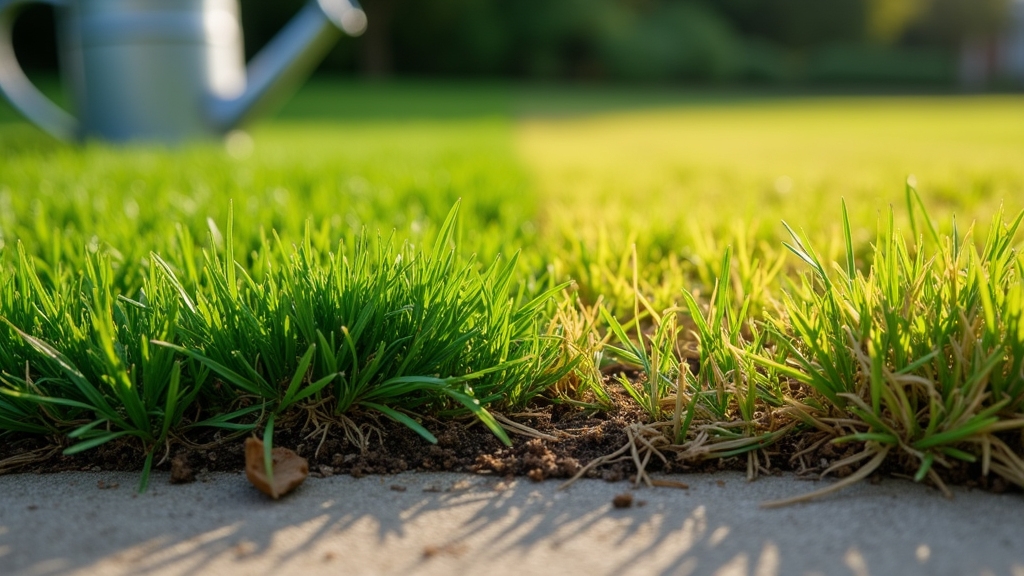
Since sodium accumulates in soil through repeated soft water irrigation, it actively degrades soil health by disrupting physical structure, chemical balance, and water dynamics. Proper air circulation in the soil is essential to mitigate some of these adverse effects.
Sodium buildup from soft water irrigation harms soil by disrupting its structure, chemistry, and water flow.
You’ll notice soil structure breaks down as sodium disperses clay particles, causing shrink-swell cycles and pore clogging. This severely reduces water infiltration and aeration. Soil salinity can also accelerate disease onset and diminish turf quality after pathogen infection, compounding stress effects.
Chemically, sodium raises soil pH, precipitating calcium and magnesium, and displacing essential nutrients, impairing nutrient uptake. Hydraulically, sodic soils limit water availability, increasing drought stress and root growth inhibition.
Key impacts of sodium on soil health include:
- Physical degradation: soil compaction, crusting, and poor permeability.
- Chemical imbalance: elevated pH and nutrient displacement.
- Impaired water relations: reduced infiltration and osmotic stress.
Factors Influencing Soft Water Effects on Lawns
Because soft water introduces sodium into your lawn’s environment, various factors critically influence how this sodium impacts grass health and soil integrity.
Soil type plays a pivotal role: clay soils compact easily and hinder water infiltration under sodium stress, while sandy soils promote drainage and reduce accumulation. Sodium in soft water can harm certain plants and greenery, making soil more resistant to water penetration, especially clay soil.
Climate and rainfall patterns modulate sodium buildup; arid regions with low rainfall exacerbate accumulation, whereas frequent precipitation leaches sodium effectively. Limited rainfall exacerbates salt deposit issues on lawns.
Grass species sensitivity varies; cool-season grasses like Kentucky bluegrass are more vulnerable than warm-season types such as Bermuda grass. Irrigation practices also affect outcomes; frequent soft water application increases sodium in the root zone, and overhead watering raises leaf burn risk.
Finally, the water source and softening method determine sodium load, with ion-exchange softeners contributing more sodium than salt-free or reverse osmosis systems. Municipal systems and wells often deliver hard water, which contrasts with the sodium-rich soft water introduced by some softening methods.
Strategies to Protect Lawns From Soft Water Damage
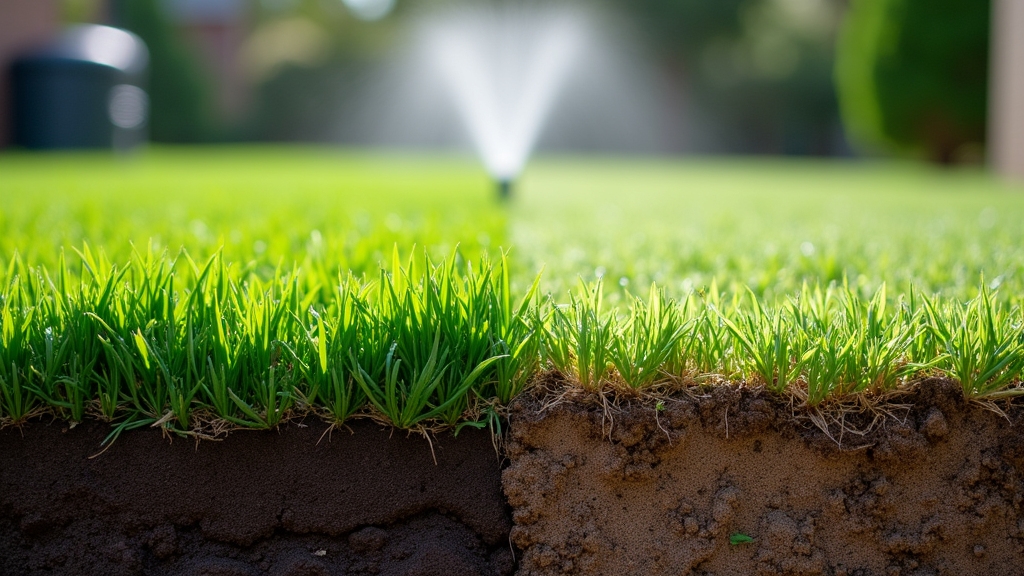
Although soft water can introduce sodium that harms your lawn, you can implement targeted strategies to mitigate its damaging effects. Focus on these three critical approaches:
Mitigate sodium damage from soft water with gypsum, aeration, and strategic watering for a healthier lawn.
- Gypsum Application: Apply liquid fertilizer with gypsum twice yearly to break down sodium salts, enhance calcium levels, and improve soil structure. This reduces toxicity on grass roots and blades. Using gypsum also helps to reduce mechanical stress on soil particles, improving overall soil health.
- Core Aeration: Perform aeration in spring or autumn to alleviate soil compaction. This increases water and nutrient penetration and facilitates sodium leaching, promoting root system health. Aeration also helps prevent the accumulation of sodium, which can harm soil biodiversity.
- Water Management: Increase watering volume during sessions to flush sodium from topsoil. Schedule early morning irrigation to minimize evaporation and optimize dilution, balancing water use efficiency and salt control. Ensuring a smooth water flow path with minimized turbulence can help reduce soil erosion and salt buildup.
Frequently Asked Questions
Can Soft Water Affect Indoor Plants Differently Than Outdoor Grass?
Yes, soft water affects indoor plants and outdoor grass differently.
You’ll notice indoor plants suffer more because their limited soil volume accumulates sodium quickly, hindering water uptake and causing toxicity.
Outdoor grass benefits from larger soil volume and natural rainfall that leaches sodium, reducing harm.
Plus, some grass species tolerate salt better.
You should be cautious with indoor plants and consider alternative watering methods to prevent sodium buildup and related damage.
Does Soft Water Impact Garden Vegetables Similarly to Grass?
Think of your garden as a delicate orchestra, where every vegetable and blade of grass plays an essential note.
Soft water, laden with sodium, disrupts this harmony by impairing root function and soil structure.
You’ll notice stunted growth, leaf scorch, and nutrient deficiencies in both.
So yes, soft water impacts garden vegetables just like grass, compromising water uptake, soil fertility, and overall plant health.
This demands careful management to maintain your garden’s vitality.
Are There Specific Grass Types Naturally Resistant to Soft Water Sodium?
Yes, you can choose grass types naturally resistant to sodium in soft water.
Species like Zoysia grass, Buffalograss, Tall fescue, and certain Couch grasses show high salt tolerance, handling elevated sodium levels effectively.
These grasses maintain growth by mitigating sodium’s negative effects on nutrient uptake and root health.
Selecting these species helps you maintain a healthy lawn despite soft water irrigation, especially in areas prone to sodium accumulation.
How Does Soft Water Compare to Distilled Water for Lawn Irrigation?
Choosing between soft and distilled water for your lawn is like picking between fire and ice. Each has distinct effects.
Soft water introduces sodium, which can accumulate and harm soil structure. This risks grass health unless managed carefully.
Distilled water, free from minerals and sodium, won’t directly damage your lawn but lacks essential nutrients. This can possibly lead to deficiencies over time.
Neither replaces the balanced mineral content found in hard or rainwater, which is generally preferable for irrigation.
Can Soft Water Use Lead to Long-Term Groundwater Contamination?
Yes, using soft water can lead to long-term groundwater contamination.
You introduce elevated sodium and chloride levels into the environment, which septic systems and wastewater plants fail to eliminate effectively.
Over time, these salts accumulate in groundwater, harming aquatic ecosystems and potentially contaminating drinking water sources.
To minimize this risk, you should reduce salt use in softeners, ensure proper brine discharge through sewer connections, and consider alternative water treatment or flushing methods.
Understanding Soft Water to Prevent Long-Term Lawn Damage
Think of your lawn as a delicate ecosystem, where soft water acts like a gentle rain tinted with sodium’s invisible brush. While it won’t immediately kill your grass, prolonged exposure can alter soil chemistry, weakening roots and drying blades.
By understanding soft water’s composition and monitoring sodium levels, you can safeguard your lawn’s vibrant green canvas from subtle damage. Taking precise, informed steps ensures your grass remains resilient, thriving beneath the surface despite soft water’s silent influence.