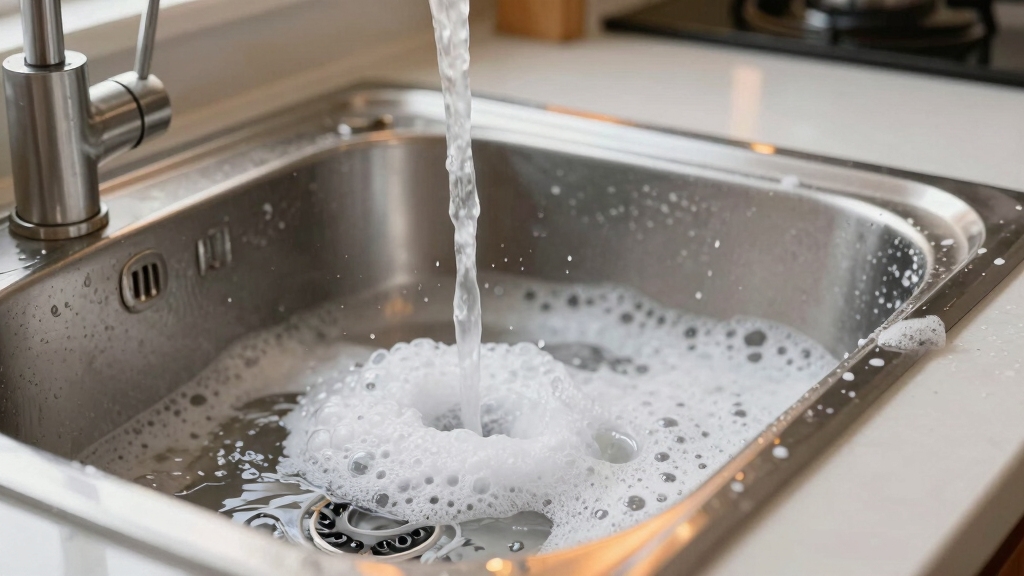
If your dishwasher backs up into the sink, it likely means there’s a blockage in the shared drain system, clogged garbage disposal, or a blocked dishwasher drain hose.
Start by checking and clearing debris from the garbage disposal and sink drain. Then inspect the dishwasher drainage hose for clogs.
Running water while operating the disposal often helps flush out buildup. Accurate diagnosis and targeted clearing usually resolve backups quickly, but there’s more to learn for thorough prevention and repair.
Key Takeaways
- Dishwasher backup into sink often results from blockages in the shared drainage system or drain hose clogs.
- Inspect and clear the dishwasher drain hose and garbage disposal to remove food debris or grease causing backups.
- Check the sink drain and P-trap for accumulated buildup that impedes proper water flow from dishwasher and sink.
- Ensure the dishwasher air gap is not clogged to prevent water backflow into the sink during wash cycles.
- Regular maintenance of garbage disposal, drain lines, and filters helps prevent dishwasher water from backing up into the sink.
Common Causes of Dishwasher Backups and How to Identify Them
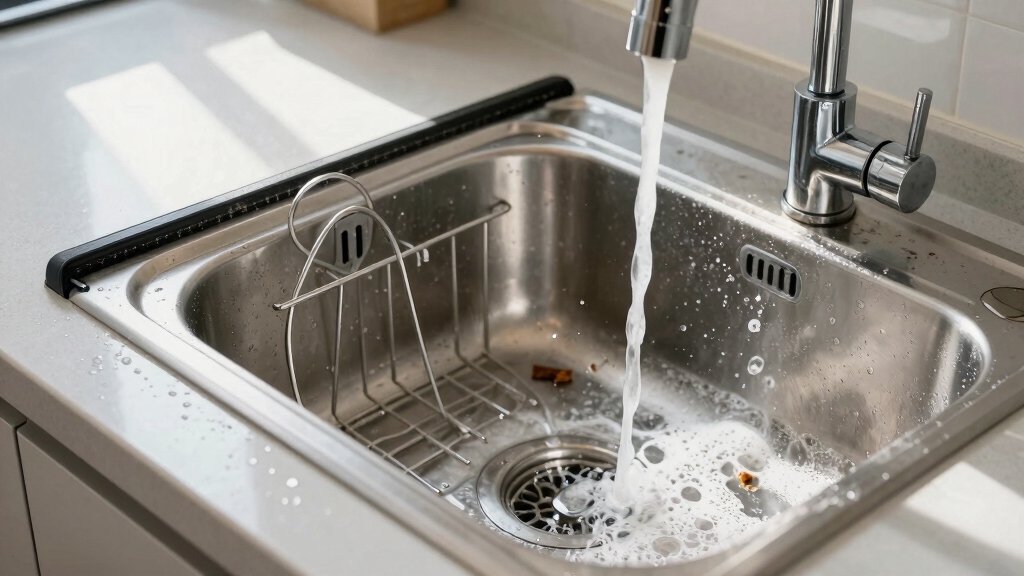
When your dishwasher backs up into the sink, it’s usually due to a blockage somewhere in the shared drainage system.
Dishwasher backup into the sink typically signals a blockage in the shared drainage system.
You need to focus on common culprits like a clogged garbage disposal filled with food debris and grease, which blocks wastewater flow.
A blocked drain hose, often restricted by accumulated detergent residue or food particles, also causes backups during dishwasher cycles.
Additionally, a clogged sink drain or P-trap filled with buildup can slow drainage and force water to reverse into the sink basin.
Don’t overlook an obstructed air gap near the faucet, which can cause leaks and backflow.
Finally, internal dishwasher issues, such as clogged filters or drain lines, disrupt proper water discharge.
It is important to avoid overloading your drainage system to prevent mechanical failures and flooding caused by backups.
How to Diagnose Why Your Dishwasher Backs Up Into the Sink?
To accurately diagnose why your dishwasher backs up into the sink, start by systematically inspecting each potential blockage point in the drainage system.
First, check the garbage disposal for jams or clogs, ensuring blades rotate freely and the drain plug cover is removed if recently installed.
Next, examine the drain hose for buildup or kinks that restrict flow during dishwasher cycles.
Inspect the sink drain and P-trap for debris accumulation that impedes drainage.
Don’t overlook the air gap near the faucet; clear any blockages in its connecting hose.
Finally, assess the dishwasher’s internal filter and drain line for trapped food particles or solid obstructions.
Identifying the exact location of the blockage helps you target the appropriate cleaning or repair method efficiently.
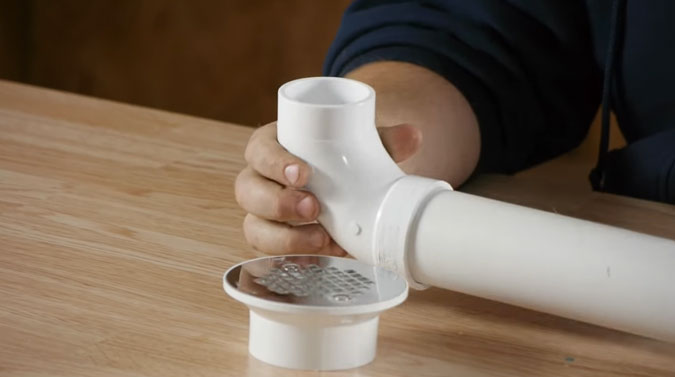
Additionally, when dealing with outdoor plumbing connections, consider using materials like PVC pipes that offer better resistance to environmental factors and reduce the risk of backups related to pipe damage.
How to Clear a Clogged Garbage Disposal and Sink Drain?

Start by unplugging the garbage disposal and wearing gloves to guarantee safety before you begin clearing any clogs.
Inspect the disposal chamber for visible debris or foreign objects causing jams. Use tongs or pliers to remove blockages carefully; avoid using your hands.
Next, check the sink drain and P-trap for accumulated grease and food buildup. Place a bucket underneath, then loosen and remove the P-trap to clean it thoroughly.
Flush the drain pipe with hot water and a mixture of baking soda and vinegar to dissolve residual grease. Reassemble the P-trap securely.
Finally, test the disposal and sink drainage by running water and the disposal briefly. If water backs up, repeat cleaning steps or consider professional assistance to prevent dishwasher wastewater from backing into the sink.
For tougher clogs, consider using a pistol grip drum auger designed for indoor drains to safely and effectively clear blockages.
How to Check and Fix Your Dishwasher’s Blocked Drain Hose?
During dishwasher operation, a blocked drain hose often causes wastewater to back up into the sink.
A clogged dishwasher drain hose can lead to wastewater backing up into your sink during use.
To check the hose, first disconnect power and water supply. Locate the flexible, ribbed drain hose connecting the dishwasher to the sink drain or garbage disposal.
Detach it carefully, placing a bucket underneath to catch residual water. Inspect the interior for food particles, grease, or detergent buildup restricting flow.
Use a long, flexible brush or a plumber’s snake to clear obstructions. Flush the hose with warm water to make certain it drains freely.
Reattach the hose securely, confirming clamps are tight to prevent leaks. Restore power and run a test cycle to verify proper drainage.
If backup persists, consider hose replacement or further inspection of connected components. If the hose is tightly fitted, you may need to use an adjustable wrench and rag to loosen connections for removal.
How to Prevent Dishwasher Backups With Regular Maintenance?

After ensuring your dishwasher’s drain hose is clear and properly connected, maintaining all drainage components regularly can prevent backups and prolong appliance life.
Start by cleaning the garbage disposal and P-trap monthly to remove food debris and grease buildup that obstruct wastewater flow.
Inspect and clear the air gap fixture to avoid clogs that cause water reversal.
Routinely clean the dishwasher’s internal filter to remove trapped particles and prevent pump failures.
Check hoses for flexible ribbed sections that trap residue, flushing them with hot water or a mild detergent solution.
Avoid running the disposal during dishwasher cycles to make certain proper drainage.
Using pumps with appropriate flow rate and operating pressure can also help maintain efficient drainage and prevent backups.
Frequently Asked Questions
Can Hard Water Cause Dishwasher Backups?
Hard water itself doesn’t directly cause dishwasher backups, but it can contribute to buildup in pipes and components.
Mineral deposits from hard water accumulate inside drain hoses, filters, or garbage disposals, narrowing flow paths and leading to clogs.
To prevent backups, you should regularly clean these parts and consider using water softeners or descalers.
This maintenance keeps your dishwasher draining efficiently and avoids obstruction caused by hardened mineral residue.
Does Dishwasher Brand Affect Backup Frequency?
Oh sure, just blame the dishwasher brand for your sink’s indoor pool party!
In reality, brand differences don’t directly dictate backup frequency.
You should focus on maintaining your garbage disposal, drain hose, and filters.
Regularly clean debris, grease, and clogs from these components.
Even the fanciest brand won’t save you if your plumbing’s blocked or your air gap’s clogged.
Proper upkeep guarantees smooth drainage and fewer backups, regardless of the label on your dishwasher.
Are Chemical Drain Cleaners Safe for Dishwashers?
You shouldn’t use chemical drain cleaners in dishwashers. They can damage internal components like seals, hoses, and filters.
Instead, focus on mechanical cleaning methods such as removing and rinsing filters, clearing the drain hose, and manually clearing the garbage disposal.
If you suspect a clog beyond your reach, use enzyme-based cleaners safe for appliances or call a professional.
Chemical cleaners can corrode parts and void warranties, so avoid them to maintain your dishwasher’s longevity.
Can a Dishwasher Backup Damage Kitchen Cabinets?
They say, “A stitch in time saves nine,” and that’s true here.
Yes, a dishwasher backup can damage your kitchen cabinets. Water seeping from blockages or clogs can cause wood swelling, warping, and mold growth.
To prevent this, inspect and clear your garbage disposal, drain hose, and P-trap regularly. Address any leaks immediately to protect your cabinetry and avoid costly repairs down the road.
Should I Call a Plumber for Minor Backups?
You don’t always need to call a plumber for minor backups.
Start by inspecting and cleaning the garbage disposal, P-trap, and air gap if present.
Check the drain hose for blockages and clear any visible debris from filters inside the dishwasher.
If these steps don’t resolve the issue or if backups recur, then it’s best to contact a plumber to prevent potential damage and make sure the drainage system functions properly.
Wave Goodbye to Dishwasher Drain Drama
When your dishwasher backs up into the sink, don’t let frustration flood in. You’ve pinpointed the clog, cleared the drain, and checked the hose. Now, keep the flow smooth with regular maintenance.
A little attention today prevents a tidal wave tomorrow. Remember, consistent care is your best defense against backups. Stay proactive, stay prepared, and your dishwasher will work flawlessly, turning chaos into calm, one cycle at a time.